



A New Threshold of Danger
Across the continent, from the sun-baked Mediterranean to the typically cooler north, the metrics used to measure fire danger are charting unprecedented territory. Scientists use tools like the Daily Severity Rating (DSR) to combine heat, dryness, and
wind into a single measure of how difficult a fire would be to control. Recent analyses show these ratings are reaching extremes that would have been exceptionally rare just a few decades ago. Studies have found that human-caused climate change has made the conditions for extreme fire weather in places like Spain and France significantly more likely. For example, fire weather conditions observed in central Spain in July 2026 are now estimated to be at least 20 times more likely than they were in a pre-industrial climate. This isn't just an incremental increase; it represents a fundamental shift into a new, more dangerous fire regime where past experience is no longer a reliable guide.
The Science of a Tinderbox Forest
The phenomenon begins with intense, prolonged heatwaves, which are becoming more frequent and severe across Europe. This extreme heat acts like a kiln, relentlessly baking moisture out of the soil and vegetation. Compounding this is a lack of rainfall, leading to widespread drought conditions. One recent, and particularly dangerous, trend is “weather whiplash”—an unusually wet spring followed by a hot, dry summer. The wet spring encourages abundant plant growth, which then dies and dries out during the subsequent heat and drought, creating a massive amount of highly flammable fuel. This combination of low moisture, high temperatures, and ample fuel means that a single spark from lightning, a stray ember, or human activity can ignite a blaze that spreads with terrifying speed and intensity.
No Longer Just a Southern Problem
While countries like Greece, Spain, and Italy have long histories of managing summer wildfires, the new climate reality is expanding the map of at-risk regions. Fire danger is now rated as extreme in areas previously considered safe, including parts of France, Germany, and even the British Isles. According to the European Forest Fire Information System (EFFIS), the area burned across the EU so far this year is already multiples of the long-term average for this time of year. As of late July 2026, hundreds of thousands of hectares have burned, surpassing totals from previous record years. This geographic expansion strains resources, as countries can no longer rely on neighbors for firefighting support if they are simultaneously battling their own historic blazes.
The Devastating Consequences
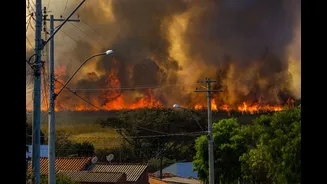
The impacts of these supercharged fires extend far beyond the charred forests. Tens of thousands of people have been evacuated from their homes in countries like France and Spain. The vast plumes of smoke create hazardous air pollution that affects millions, raising public health concerns far from the active fire zones. Economically, the cost is staggering, with destroyed homes, businesses, and infrastructure, coupled with massive disruptions to supply chains and tourism. These fires also release enormous amounts of stored carbon into the atmosphere, creating a dangerous feedback loop that further accelerates climate change. The fires of 2026 are on track to be some of the most destructive on record, not just in area burned but also in carbon emissions.