



The Foundation: Roasting the Rava
The single most important step for achieving a light, non-sticky upma is to properly roast the rava (semolina) before any water is involved. This is a non-negotiable part of the process. Dry roasting the rava in a pan over medium heat does two crucial
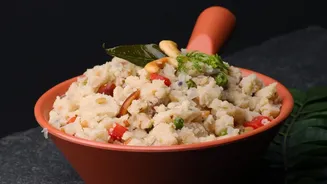
things. First, it creates a nutty, aromatic flavour that raw rava lacks. This is due to the Maillard reaction, a chemical process between amino acids and sugars at high temperatures that develops deep flavour and colour. Second, and more importantly for texture, roasting ensures the rava grains become dry and separate. This process coats each grain, preventing them from clumping together and absorbing water unevenly, which is the primary cause of stickiness and a pasty result. When you roast the rava until it is fragrant and the grains look crisp, you are setting the stage for each grain to cook independently, leading to a fluffy final product.
The Catalyst: Always Use Hot Water
The temperature of the water you add is a critical factor that can make or break your upma. Always use hot, preferably boiling, water. Adding cold or lukewarm water to the rava will almost certainly result in a lumpy, hard dish. Hot water starts the cooking process immediately and evenly. This rapid hydration, known as gelatinization, allows the starch granules in the semolina to swell up quickly and uniformly without clumping. When you introduce roasted rava into boiling water, the heat ensures moisture reaches every grain at once. If you use cold water, the rava absorbs it slowly and unevenly, causing some grains to become mushy while others remain hard, leading to the dreaded lumps. For a consistently soft and fluffy texture, ensure your water is at a rolling boil before you even think about adding the rava.
The Technique: Stir Steadily and Slowly
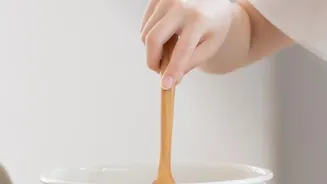
How you combine the rava and water is just as important as the ingredients themselves. The key is to add the roasted rava to the boiling water slowly and in a steady stream, while stirring constantly. Do not dump all the rava in at once. Doing so will cause the rava to immediately form clumps before the water has a chance to hydrate the grains evenly. The continuous stirring motion keeps the grains separated as they begin to absorb the liquid, ensuring a smooth, lump-free consistency. Some cooks even recommend reducing the flame to low right before adding the rava to control the process and prevent spluttering. Once the rava is fully incorporated, you can increase the heat to allow it to absorb the remaining water. This combination of a slow pour and a constant stir is your best defence against a lumpy outcome.
Fine-Tuning: Ratios and Resting
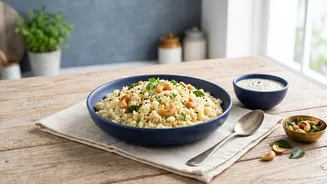
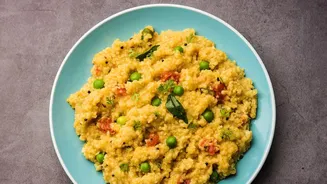
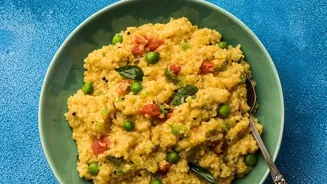
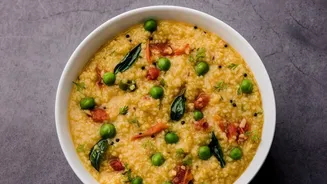
While roasting, hot water, and stirring are the three pillars of good upma, a couple of final details will elevate it to perfection. First is the water-to-rava ratio. While this can depend on the coarseness of your rava, a common guideline for a soft, restaurant-style upma is a ratio of 1 cup of rava to 2.5 or 3 cups of water. Using too little water can result in a dry, clumpy dish. Second, don't skip the final resting period. After the rava has absorbed all the water, cover the pan, reduce the heat to its lowest setting, and let the upma steam for a few minutes. This crucial step, often called the 'dum', allows the grains to fully bloom and become tender, resulting in that perfectly light and fluffy texture. After resting, fluff the upma with a fork rather than a spoon to keep the grains separate.