


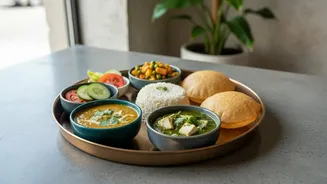

A Table That Tells a Story
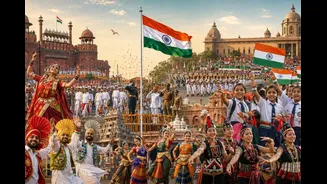
For years, celebrating August 15 with food often meant creating dishes in saffron, white, and green. While visually appealing, this approach sometimes misses a deeper opportunity: to celebrate the vast, complex, and unified culinary landscape of India.
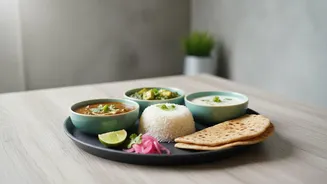
This year, consider a menu that tells a story of the nation itself. The concept is simple but powerful: take humble, everyday ingredients found across the country and prepare them using distinct regional techniques. This creates a feast that is not just delicious but is also a conversation starter about our shared roots and diverse traditions. It’s about showcasing how the same potato, lentil, or grain of rice can take on entirely different, yet equally beloved, forms depending on where you are in India.
The Humble Potato, Reimagined
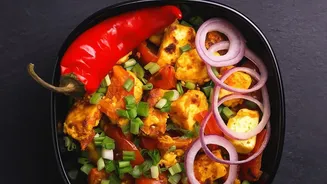
The potato is a perfect canvas for this culinary exploration. In nearly every Indian kitchen, it's a staple. For your August 15 spread, let it shine in multiple avatars. From Maharashtra, you can have the iconic Batata Vada, a spiced mashed potato fritter that's a beloved street food. Travel east to Bengal, and the same potato is transformed into Aloo Posto, a subtle, comforting curry made with a paste of poppy seeds, a hallmark of Bengali cooking. Head south, and you might find a simple but flavorful potato stir-fry, or 'poriyal', tempered with mustard seeds, curry leaves, and lentils. Each dish uses the same core ingredient but tells a different regional story through its unique spice blend and cooking method.
Rice and Breads: The Unifying Grains
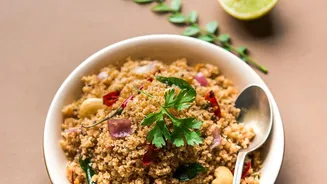
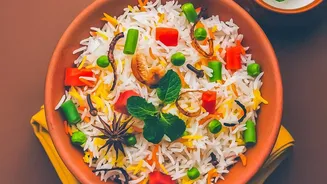
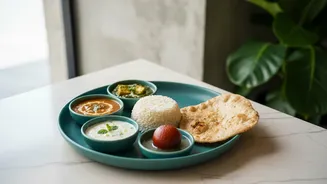
Rice is another powerful symbol of unity. While plain steamed rice is a staple, a festive spread calls for something more. Consider a Basanti Pulao from Bengal, its golden-yellow hue and sweet, fragrant notes coming from saffron and gobindobhog rice. Contrast this with a tangy lemon rice from the South, a quick and zesty dish that brightens up any meal. For breads, instead of sticking to one type, offer a basket of diversity. Alongside a simple whole wheat roti, you could feature a fluffy Goan poee or a flaky Malabar parotta. This variety not only caters to different tastes but also serves as a delicious map of India's grain traditions.
A Chorus of Lentils and Legumes
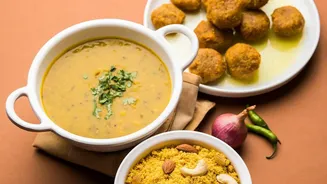
No Indian meal is complete without dal. But 'dal' is a universe in itself. Instead of one large pot, you could serve two or three smaller bowls showcasing regional specialties. A rich, creamy Dal Makhani from Punjab, slow-cooked with kidney beans and black lentils, offers a taste of Northern indulgence. Beside it, a simple Gujarati dal, with its characteristic sweet and sour notes from jaggery and kokum, provides a lighter, tangier counterpoint. From the South, a sambar brimming with vegetables and the unique flavor of tamarind and sambar powder represents another distinct culinary philosophy. Together, they create a chorus of flavors from a single food group.
Sweet Tastes of Freedom
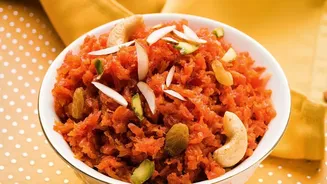
Dessert is the final, celebratory note of the meal. Here, too, regional diversity can shine. Instead of one elaborate sweet, a platter of smaller bites from different states can be a delightful experience. Offer the delicate, rose-scented Sandesh from Bengal alongside the rich, ghee-laden Mysore Pak from Karnataka. Add some Jalebi, a sweet that became a symbol of celebration after 1947, to connect the meal directly to the history of Independence Day. Or include a creamy Phirni, a rice pudding beloved in the North, perhaps layered in tricolours for a nod to the more traditional festive fare. This approach allows guests to sample the incredible variety of Indian mithai, each with its own texture and story.