







A Homecoming After 144 Years
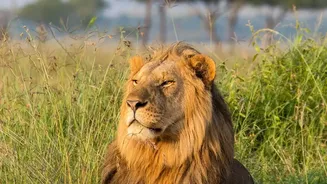
For the first time since 1879, the roar of the Asiatic lion is echoing through the hills of the Barda Wildlife Sanctuary. This is not a formal, government-led translocation but a natural expansion, making it an even more significant milestone. The process
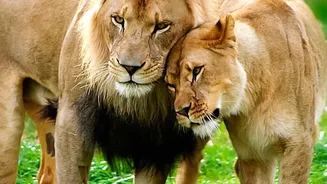
began in early 2023 when a lone male lion naturally dispersed from the Gir landscape and journeyed to Barda. Recognizing the opportunity, the Gujarat Forest Department then augmented this pioneering male by introducing five females to help establish a breeding population. Now, the sanctuary is home to a growing pride of 17 individuals, including several cubs, a clear sign that the lions are thriving in their new, or rather, ancestral home.
Why Barda Matters So Much
The establishment of a second lion population is a goal that has been discussed for decades. For years, the world's entire wild population of over 800 Asiatic lions was concentrated in and around Gir National Park. This created a precarious situation, as a single disease outbreak, like the canine distemper virus that has affected the population in the past, or a natural disaster could have devastating consequences for the species. Barda, located about 100 kilometres from Gir, acts as a vital insurance policy. A recent scientific study confirmed that the 192-square-kilometre sanctuary provides a suitable habitat, adequate prey, and favourable ecological conditions to support a lion population for the long term. It serves as a crucial buffer, ensuring the long-term survival of these majestic animals.
The Success Story of Gir
This expansion would not have been possible without the monumental success of conservation efforts in Gir. At the turn of the 20th century, hunting and habitat loss had decimated the Asiatic lion population, leaving fewer than 20 individuals in the wild, all within the Gir forest. Thanks to a ban on hunting by the then-Nawab of Junagadh and sustained conservation initiatives by the Gujarat government after 1965, the population has made a remarkable comeback. The number of lions grew steadily, from around 150 in the 1930s to over 674 by 2020 and now approaching 900. This incredible growth, however, led to a new set of challenges: high population density, lions spilling out into human-dominated landscapes, and increased human-wildlife conflict. The natural dispersal into Barda is a direct consequence of this success.
Preparing the Ground
The lions' arrival in Barda was not a complete accident. It was the culmination of careful planning under Project Lion, a national initiative to conserve the species. The Gujarat Forest Department has been actively managing the Barda landscape to make it more hospitable. These efforts included improving the habitat by managing water sources, removing invasive plant species, and, crucially, increasing the prey base. To ensure the lions have enough to eat, authorities have been reintroducing species like spotted deer and sambar into the sanctuary. Furthermore, the state has been working with local communities, including the semi-nomadic Maldhari pastoralists, offering voluntary and compensated relocation packages to reduce human pressure on the sanctuary. This holistic approach has created an environment where lions can naturally recolonize and thrive.