







A Stunning Conservation Success
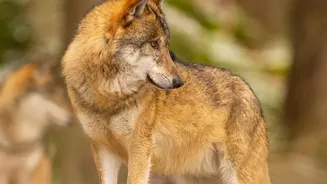
The story of the wolf in modern Europe is one of the most significant conservation successes of our time. After centuries of persecution that saw them vanish from most of Western Europe, legal protections and shifting public attitudes have allowed populations
to recover dramatically. A 2025 study found that by 2022, Europe was home to over 21,500 wolves, a staggering 58% increase in just a decade. Countries like Italy, Spain, and Germany now host thriving packs in landscapes they haven't occupied for generations. This revival is not the result of large-scale reintroduction programs, as was famously done in Yellowstone National Park in the US. Instead, Europe's wolves have largely rewilded themselves, adapting and expanding their territory from strongholds in Eastern Europe and the Italian Apennines into human-dominated landscapes.
From Fairytale Villain to Tourist Attraction
As wolf numbers have grown, so has a new industry built around the chance to see them. Adventure travellers are now joining expert-led expeditions in places like the Riaño Mountains in Spain, the Abruzzo region in Italy, and the Carpathian Mountains in Romania. These tours represent a profound shift in perception. The wolf, long cast as a villain in folklore, is being rebranded as a symbol of a wilder, healthier ecosystem. The goal of these trips is rarely a guaranteed, close-up sighting. Responsible tour operators focus on tracking, interpreting signs like footprints and howls, and educating visitors about the animal's biology and its role in the environment. The thrill comes from knowing something truly wild is moving through the same hills, just beyond sight. This experience-driven tourism helps build a powerful case for conservation by showing that a living wolf can be a prized asset.
The Economic Power of the Pack
Wolf tourism is more than just an adventure; it's becoming a meaningful economic engine for rural communities. The money spent by visitors on local hotels, restaurants, and guides provides a direct financial incentive for protecting wolves and their habitats. In Spain's Sierra de la Culebra, for example, early estimates showed wolf tourism brought in hundreds of thousands of euros annually. Proponents point to the economic success of wolf reintroduction in Yellowstone, which generates an estimated $80 million in increased annual revenue for the region. By creating jobs and demonstrating a tangible value for wildlife, eco-tourism can help offset the economic losses some communities face from wolf predation on livestock, fostering greater tolerance and a sense of local pride in their natural heritage.
The Challenge of a Shared Landscape
The return of the wolf is not without conflict. The comeback has reignited age-old tensions, particularly with farmers who face the real threat of livestock losses. Across the EU, wolves kill thousands of domestic animals annually, leading to millions of euros in compensation payments and heated political debates about managing their populations. This has led to calls from some farming groups and politicians to downgrade the wolf's strict protection status. While preventive measures like specialised fencing and guardian dogs are effective, they can be costly and labour-intensive for farmers to implement. The central challenge for Europe is navigating this conflict: how to celebrate and benefit from a conservation success while supporting the communities that live alongside these large carnivores every day.