
1. Turmeric and Gram Flour (Besan) Ubtan
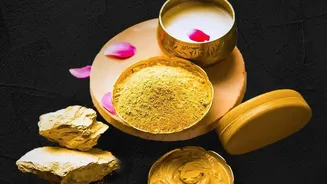
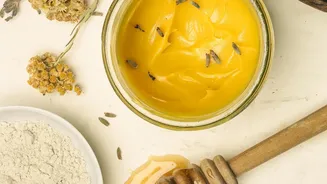
A classic in Indian households, this paste combines the anti-inflammatory power of turmeric with the gentle exfoliating properties of gram flour. Mix two tablespoons of besan with half a teaspoon of turmeric powder. Add enough milk or plain yogurt to form
a smooth, spreadable paste. Apply to clean skin, leave on for 15-20 minutes until it begins to dry, and rinse with lukewarm water. Realistic Expectations: Turmeric contains curcumin, an antioxidant that can help calm skin and may provide a temporary, subtle glow. Gram flour acts as a mild physical exfoliant, helping to slough off dead skin cells that cause dullness. This mask can temporarily brighten the complexion by reducing inflammation and removing surface cells, but it will not permanently lighten your natural skin tone. Be mindful that food-grade turmeric can leave a temporary yellow stain on the skin.
2. Yogurt and Honey Mask
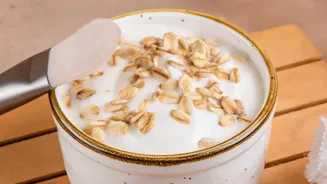
This hydrating and exfoliating mask leverages the natural acids in yogurt and the soothing properties of honey. Combine two tablespoons of plain, unsweetened yogurt with one tablespoon of raw honey. Apply a thin layer to your face and let it sit for 15 minutes. Rinse with cool water. Realistic Expectations: Yogurt is a source of lactic acid, a mild alpha-hydroxy acid (AHA) that helps dissolve dead skin cells, promoting a smoother and brighter surface. Honey is a natural humectant that draws moisture into the skin and has antibacterial properties. This mask can improve hydration and offer gentle exfoliation, leading to a temporary plumping effect and a more radiant appearance over time. It will not, however, treat deep hyperpigmentation or erase dark spots on its own.
3. Papaya Pulp Pack
Papaya contains a natural enzyme called papain, which is known for its exfoliating abilities. Mash a few chunks of ripe papaya into a smooth pulp. For an added boost, you can mix in a teaspoon of honey. Apply the mixture to your face for 15-20 minutes before washing it off. Realistic Expectations: Papain works by breaking down the proteins that hold dead skin cells together, resulting in effective yet gentle exfoliation. This can reveal fresher, brighter skin underneath and improve skin texture. While some lab studies suggest papain may have a mild effect on pigment production, it is not a powerful treatment for significant dark spots or melasma. Its primary benefit is surface-level brightening through exfoliation.
4. Sandalwood and Rose Water Paste
A staple in Ayurvedic beauty, sandalwood is prized for its soothing and cooling properties. Mix one tablespoon of pure sandalwood powder with enough rose water to create a creamy paste. Apply evenly to the skin, allow it to dry completely (about 15-20 minutes), and then rinse off. Realistic Expectations: Sandalwood is primarily known for its anti-inflammatory and antiseptic qualities, which can help calm irritated skin and reduce redness associated with acne or sun exposure. Rose water acts as a gentle toner. This pack can help even out skin tone by reducing inflammation and soothing the skin, which contributes to a brighter overall look. However, its direct 'lightening' effects are minimal and related to its calming action rather than altering melanin.
5. Orange Peel and Yogurt Pack
Don't throw away those orange peels! Dried and powdered, they can serve as a potent skincare ingredient. Mix one tablespoon of dried orange peel powder with two tablespoons of plain yogurt to form a paste. Apply to the face, let it sit for 20 minutes, and rinse. Realistic Expectations: Orange peel is a source of Vitamin C, a powerful antioxidant known for its skin-brightening capabilities in formulated skincare. In this raw form, it provides gentle exfoliation. Combined with the lactic acid from yogurt, this pack can help reduce dullness and give the skin a refreshed look. The amount and stability of Vitamin C in a homemade preparation are inconsistent, so it won't be as effective as a professionally formulated Vitamin C serum for treating dark spots.
6. Mashed Banana and Honey
Bananas are rich in vitamins and moisture, making them a nourishing base for a brightening mask. Mash half a ripe banana until it's lump-free, then stir in one teaspoon of honey. Apply to the skin for 15-20 minutes and rinse thoroughly. Realistic Expectations: Bananas provide hydration and are a source of antioxidants. This mask is primarily a moisturizing treatment. Well-hydrated skin reflects light better, which can create an immediate but temporary glowing effect. It can help combat dryness-related dullness but doesn't contain active exfoliating or melanin-inhibiting ingredients for long-term brightening.
7. The Lemon Juice Reality Check
Though often cited in DIY recipes for its Vitamin C, applying raw lemon juice directly to the skin is not recommended. Its high acidity (pH of 2-3) can severely disrupt your skin's natural barrier (pH 4.5-5.5), leading to irritation, dryness, and redness. Realistic Expectations: The biggest risk with lemon juice is phytophotodermatitis, a chemical reaction that occurs when the treated skin is exposed to sunlight. This can ironically cause severe blistering and long-lasting dark patches—the very thing you might be trying to treat. While the citric acid provides some exfoliation, the risks far outweigh the benefits. For a safe and effective dose of Vitamin C, it is always better to opt for a well-formulated serum.