






When to Reach for a Cool Compress
A cool compress is your first line of defense for acute injuries—think sprains, strains, bumps, and bruises within the first 48 to 72 hours. The primary job of the cold is to constrict blood vessels, a process called vasoconstriction. This action helps
to reduce swelling, numb sharp pain, and minimize bleeding into the tissue, which is what causes bruising. It's particularly effective for inflammatory conditions like tendonitis or a flare-up of gout, where reducing inflammation is the main goal. However, a cool compress is not the right tool for every ache. It can make muscle tension and spasms worse, so it should not be used for general stiffness or chronic muscle pain that isn't related to a new injury. The cold restricts the blood flow that sore, stiff muscles need to relax.
The Soothing Power of a Warm Compress
Once the initial swelling from an injury has subsided (typically after 72 hours), or for chronic aches and pains without inflammation, a warm compress is the better choice. Heat works by dilating blood vessels, which increases blood flow to the affected area. This improved circulation delivers more oxygen and nutrients to the tissues, helping to relax tight muscles, reduce joint stiffness, and soothe spasms. This makes it ideal for chronic lower back pain, morning stiffness from arthritis, or delayed onset muscle soreness (DOMS) after a workout. A warm compress can also be used to help with sinus congestion by loosening mucus. The main thing a warm compress cannot do is treat a new, swollen injury. Applying heat to an acute sprain or strain will increase blood flow and can make swelling and inflammation significantly worse.
Introducing the Peppermint Compress
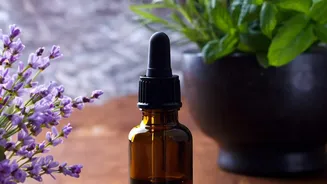
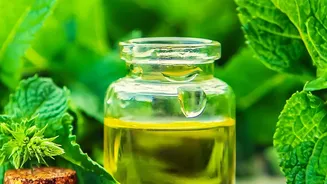
This is where things get interesting. A peppermint compress involves adding peppermint essential oil to either cool or warm water. Peppermint's primary active compound is menthol, which is responsible for its signature cooling sensation and a host of therapeutic properties. For centuries, it has been used as a traditional remedy for everything from headaches to skin irritation. When added to a compress, the goal is to combine the benefits of temperature therapy with the specific effects of peppermint oil, which can be absorbed through the skin and inhaled via aromatherapy. The key is understanding that peppermint provides a sensation of cooling, but it does not actually lower the temperature of your skin or tissues like an ice pack does.
Peppermint: Sensation vs. Science
The cooling feeling from menthol happens because it tricks cold-sensitive receptors in your skin. This sensation can help mask feelings of pain and itching. Studies show that topical application of peppermint oil can be effective for relieving tension headaches when applied to the forehead and temples, thanks to its ability to relax muscles and stimulate blood flow. Its anti-inflammatory properties can also help soothe irritated skin. As an aromatherapy agent, inhaling the vapor from a peppermint compress can help clear nasal passages and improve mental focus. Therefore, a cool peppermint compress might be used for a headache to get the double benefit of physical cooling and menthol's pain-relieving effects. A warm peppermint compress could be used on sore muscles, where the heat relaxes the muscle and the menthol provides a soothing sensation and anti-inflammatory aid.
How to Use Compresses Safely
Whether using a cool, warm, or peppermint-infused compress, safety is crucial. Never apply an ice pack or a heating pad directly to your skin; always use a barrier like a towel or cloth to prevent burns or frostbite. Limit applications to 15-20 minutes at a time, with at least an hour break in between sessions. For a peppermint compress, always dilute the essential oil first. A safe method is to add 4-5 drops of peppermint oil into a bowl of cool or warm water, then soak your cloth in the water. Never apply undiluted essential oil directly to your skin, as it can cause irritation. It's also wise to do a patch test on a small area of skin first to check for sensitivity. Avoid using compresses on open wounds or areas with poor circulation.