


The Gold Standard: What Is Real Paneer?
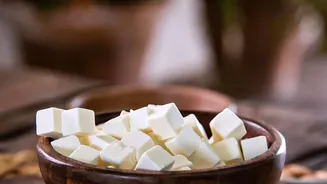
Authentic paneer has a simple and pure definition. According to the Food Safety and Standards Authority of India (FSSAI), paneer is a product made by curdling fresh cow or buffalo milk with a food-grade acid like lemon juice or vinegar. The process involves
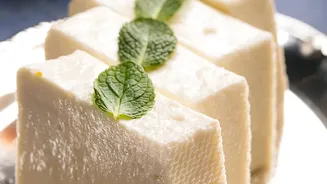
heating milk and then adding the acid to separate the milk solids (casein) from the liquid whey. These solids are then drained and pressed into a firm block. That’s it. True paneer contains no starch, non-dairy fats, or synthetic additives. Its nutritional value is high, providing a rich source of protein, healthy fats, calcium, and vitamins.
The Imitator: What Is Analogue Paneer?
Analogue paneer, often called 'synthetic' or 'imitation' paneer, is a product designed to look and feel like real paneer but is made from very different ingredients. Instead of being based on fresh milk fat, it is primarily composed of vegetable fats like palm oil, starches, and skimmed milk powder. To achieve a paneer-like texture and appearance, manufacturers use a processed mix of these ingredients along with emulsifiers, stabilizers, and sometimes artificial flavorings. The primary motivation for producing analogue paneer is cost. Using vegetable oil and starches is significantly cheaper than using fresh milk, allowing it to be sold at a much lower price.
Health and Nutrition: A Tale of Two Products
The nutritional gap between real and analogue paneer is significant. Real paneer is a powerhouse of high-quality protein and calcium, essential for muscle and bone health. In contrast, analogue paneer is nutritionally inferior. It is typically lower in protein and higher in carbohydrates and unhealthy fats due to the use of vegetable oils and starch. Regular consumption of some of these imitation products can lead to a higher intake of saturated fats and sodium, while providing fewer essential nutrients. In worst-case scenarios, heavily adulterated 'paneer' made with synthetic milk can contain harmful chemicals like detergents or urea, posing serious health risks such as digestive issues and potential liver or kidney damage with long-term exposure.
From Pan to Plate: The Difference in Cooking
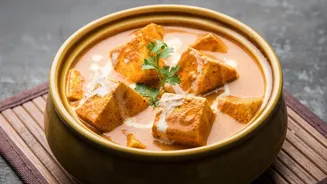
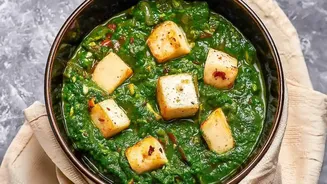
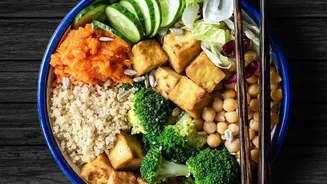
The way these two products behave in the kitchen is also markedly different. Real paneer has a soft, slightly crumbly texture. When cooked, it holds its shape well, browns nicely, and becomes soft without disintegrating. Analogue paneer, because of its starchy and oil-based composition, often has a rubbery or overly smooth texture. When heated, it may not brown properly and can become chewy, melt away, or release excess water, resulting in a disappointing final dish. The taste also differs; authentic paneer has a mild, fresh milky flavour, while its imitation counterpart can taste bland or have a synthetic, oily aftertaste.
Simple Tests to Spot the Difference
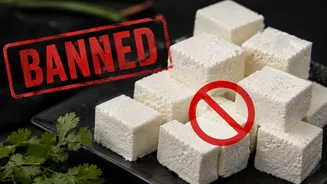
You don't need a lab to check for authenticity. Here are a few simple tests you can do at home. First, the texture test: Rub a small piece between your fingers. Real paneer will feel soft and crumble, while fake paneer may feel rubbery or slippery. Second, the iodine test: Boil a small piece of paneer in water, let it cool, and add a couple of drops of iodine solution. If the paneer turns blue or black, it indicates the presence of starch, a common filler in analogues. Finally, check the label. If you see vegetable oils, starch, or emulsifiers listed, it's not traditional paneer. Several states, including Maharashtra and Gujarat, have recently banned the sale of improperly labelled analogue paneer to protect consumers from being misled.