





The Allure of the Quick Fix
In the age of social media, quick-fix solutions are everywhere. Scroll through your feed, and you’ll likely find countless videos promoting homemade masks with claims of miraculous, overnight transformations. The appeal is understandable: the ingredients
are cheap, accessible, and often labelled 'natural'. The promise of achieving a flawless, even complexion without a trip to the dermatologist or investing in expensive products is powerful. These recipes tap into a desire for immediate results, suggesting that radiant, 'lighter' skin is just a pantry- raid away. However, this simplistic approach overlooks the complex science of skin and the potential for serious, long-term damage.
Deconstructing Common Culprits
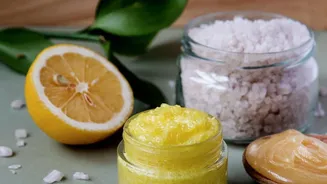
Many of these viral recipes feature common kitchen staples, but 'natural' doesn't always mean safe for your face. Lemon juice is a frequent offender. While it contains citric acid, an alpha-hydroxy acid (AHA), it is extremely acidic with a pH of around 2. Your skin's natural pH is about 4.5-5.5, and this intense acidity can strip your skin's protective barrier, leading to irritation and dryness. Worse, compounds in lemon juice called furocoumarins can cause a severe reaction when exposed to sunlight, known as phytophotodermatitis. This can result in painful burns, blisters, and ironically, even darker patches of pigmentation.Baking soda is another problematic ingredient. Hailed as a gentle exfoliant, its alkaline nature (pH of 9) severely disrupts your skin's acidic mantle. This disruption can compromise the skin barrier, leading to moisture loss, chronic dryness, redness, and increased sensitivity. For those with acne, it can even worsen breakouts by causing more inflammation.
Lightening vs. Brightening: What's the Goal?
It's crucial to understand the language used in skincare. 'Skin lightening' often refers to reducing pigment or melanin in the skin to address issues like hyperpigmentation. 'Skin brightening,' on the other hand, is about increasing radiance and restoring vibrancy by sloughing off dull, dead skin cells. Homemade recipes promising 'instant lightening' are misleading. True lightening of hyperpigmented spots is a gradual process that involves inhibiting melanin production. What some people mistake for lightening from a harsh DIY recipe is often just irritation or a temporary stripping of the top layer of skin, which is not a healthy or sustainable path to an even tone.
The Real Risks Involved
Beyond temporary irritation, using unregulated homemade concoctions can have lasting consequences. Disrupting your skin's pH and protective barrier opens the door to a host of problems. You become more vulnerable to environmental damage, bacteria, and infection. What might start as a quest to fade a few dark spots could result in chemical burns, increased hyperpigmentation (known as post-inflammatory hyperpigmentation), and a compromised skin barrier that can take weeks or months to repair. There is no DIY home remedy that can safely bleach or lighten the entire skin tone; these attempts are always risky and can result in patchy, uneven pigmentation.
Safer Paths to Glowing Skin
Achieving a healthy, radiant complexion is possible, but it requires a safer, more informed approach. Instead of risky kitchen chemistry, look for professionally formulated products with proven ingredients. Vitamin C is a powerful antioxidant that brightens skin and helps fade dark spots over time. Niacinamide (a form of Vitamin B3) is excellent for improving uneven skin tone and strengthening the skin barrier. Gentle chemical exfoliants like glycolic acid can help increase cell turnover, revealing brighter skin underneath. Even turmeric, a popular DIY ingredient, is best used in a formulated product to avoid staining and ensure a safe, effective concentration that leverages its anti-inflammatory properties. Crucially, the most effective tool against hyperpigmentation is prevention: daily use of a broad-spectrum sunscreen is non-negotiable to prevent dark spots from forming or worsening.
When to See a Dermatologist
While a consistent, gentle skincare routine can do wonders for your skin's overall radiance, some pigmentation concerns require professional guidance. If you're struggling with persistent dark spots, melasma, or post-acne marks, a dermatologist can provide an accurate diagnosis and create a targeted treatment plan. They can recommend prescription-strength topicals, chemical peels, or laser therapies that are proven to be safe and effective for treating hyperpigmentation. Consulting an expert ensures you're using the right treatments for your specific skin type and concern, saving you from the potential damage and disappointment of ineffective DIY solutions.