







The Soaring Cost of Flying
International travel from India has become significantly more expensive in 2026. A combination of factors, including elevated Aviation Turbine Fuel (ATF) prices, a weaker rupee, and airspace restrictions due to geopolitical conflicts, has driven up operating
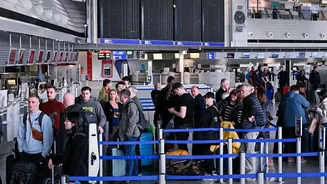
costs for airlines. These costs are being passed on to consumers through higher fares and fuel surcharges. For example, some airlines have introduced surcharges of up to ₹10,000 for long-haul destinations like the UK and Europe. Long-haul ticket prices to Europe, North America, and Australia have seen surges of 20% to 53% in just a few months, turning what might have been a ₹45,000 ticket into one costing well over ₹80,000. Despite these sharp increases, the demand for international travel has not collapsed; it has proven remarkably resilient.
A Shift in Traveller Mindset
The willingness of Indian travellers to absorb these higher costs points to a significant psychological shift. For many, particularly after years of pandemic-related uncertainty, travel has evolved from a luxury purchase into a non-negotiable lifestyle priority. There's a growing trend of prioritising experiences and creating memories over other discretionary spending. This sentiment is echoed in industry projections, with the Indian outbound tourism market expected to reach $23.4 billion in 2026. Reports indicate that a significant percentage of Indian travellers plan to travel more in 2026 and are willing to spend the same or even more on flights to do so. An average international trip budget that was once around ₹2 to 3 lakh is now stretching closer to ₹3 to 5 lakh for long-haul destinations.
Where Are Indians Travelling?
While the desire to travel is strong, high costs are influencing destination choices. There is a noticeable pivot towards short-haul and value-for-money destinations. Southeast Asia remains a dominant favourite, with countries like Thailand, Vietnam, Bali (Indonesia), and Malaysia attracting large numbers of Indian tourists. These locations offer a compelling mix of accessibility, affordability, and diverse experiences, from beaches and cultural sites to vibrant nightlife. Dubai also continues to be a top choice due to its short travel time and luxury attractions. At the same time, easier visa rules and better flight connectivity are opening up new, less-explored destinations. For instance, improved direct flight options are making places like Japan and even parts of China more accessible.
The Industry Adapts to a New Normal
Airlines and the broader travel industry are navigating a complex environment. While higher passenger numbers are a welcome sight, profitability remains under pressure from high operating costs. To manage these expenses, some airlines have had to reduce capacity on certain international routes, which in turn puts more pressure on fares. In response to price sensitivity, travellers are becoming more strategic. Many are booking flights further in advance—sometimes three to six months for long-haul trips—to lock in better prices. This shift towards strategic planning, coupled with a resilient demand, suggests that higher costs have become an accepted part of the new reality for international travel from India. The dream of an overseas holiday is still very much alive; it just comes with a higher price tag.