





Why Green Chutney Spoils So Quickly
The magic of green chutney comes from its fresh ingredients, primarily coriander and mint leaves. However, these very ingredients are also why it has such a short lifespan. The main culprit is oxidation, a natural process that occurs when the enzymes
in the chopped herbs are exposed to air. This exposure is what causes the chutney to lose its bright green colour and turn a dull, unappetizing brown or black. Additionally, the high moisture content from the herbs and any added water creates an ideal environment for bacteria to grow, leading to spoilage, especially if not stored correctly.
The Two-Day Rule for Peak Freshness
The headline’s advice is a solid rule of thumb for enjoying green chutney at its absolute best. Within the first 48 hours of refrigeration, the chutney retains most of its fresh, pungent flavour and vibrant colour. While some sources suggest it can last up to a week in the fridge, its quality in terms of taste and appearance starts to decline noticeably after the second day. For the brightest flavour and best texture, using it quickly is always the recommended approach. Think of it less like a preserved condiment and more like a fresh sauce.
Mastering Refrigerator Storage
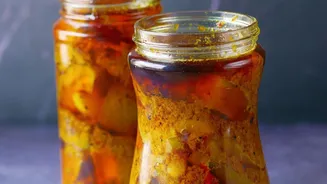
Proper storage is your first line of defence against spoilage. Always store your green chutney in a clean, dry, airtight container. Glass jars are often preferred as they don't absorb odours or react with the acidic ingredients. To further slow down oxidation, you can add a thin layer of oil on top of the chutney before sealing the lid; this creates a barrier against the air. Another pro tip is to store the container in the main part of your fridge rather than the door, where temperatures fluctuate more frequently. Always use a clean, dry spoon to scoop out the chutney to prevent introducing bacteria.
Smart Tricks to Extend Its Life
A few simple additions during preparation can make a significant difference. Acidity is a natural preservative that helps combat oxidation. Adding a generous squeeze of lemon juice or a dash of vinegar not only enhances the chutney’s tangy flavour but also helps keep its green colour vibrant for longer. Some home cooks also swear by adding a few ice cubes during the grinding process. The cold temperature helps slow down the enzymatic browning that occurs from the heat generated by the blender blades, resulting in a brighter, greener final product.
Your Freezer: The Ultimate Preservation Tool
If you've made a large batch and know you can't finish it in a few days, the freezer is your best friend. Freezing green chutney is an excellent way to preserve it for months without significant loss of flavour. The most effective method is to pour the chutney into an ice cube tray and freeze it. Once the cubes are solid, you can transfer them to a freezer-safe zip-lock bag, squeezing out all the air before sealing. This method allows you to thaw small, convenient portions as needed. When you're ready to use it, simply take out a cube or two and let it thaw in the fridge or at room temperature.
How to Tell If Your Chutney Has Gone Bad
Trust your senses. The first sign of spoilage is usually a change in appearance and smell. If the chutney has darkened significantly beyond the normal oxidation, it's a warning sign. Any visible mould, fuzzy spots, or bubbling is a definitive sign to discard it immediately. Next, give it a sniff. A sour, fermented, or otherwise 'off' odour means it is no longer safe to eat. If it looks and smells questionable, do not taste it. It's always better to be safe and make a fresh batch.