


Karwa Chauth is a cherished tradition of love and devotion. As married women prepare to observe the 'nirjala' fast on October 29, 2026, it's vital to balance ritual with well-being. Understanding the risks is the first step to a safe fast.
Understanding the Nirjala Vrat
Karwa Chauth
involves a 'nirjala' fast, where women abstain from both food and water from sunrise until moonrise. This day-long fast is observed to pray for the husband's longevity and well-being. In 2026, Karwa Chauth falls on Thursday, October 29. While a powerful expression of love, this strict fast places significant physical stress on the body, primarily through dehydration and lack of energy. The continuous loss of water through breathing and perspiration, without any fluid intake, is the main challenge the body faces.
The Vital Role of Sargi
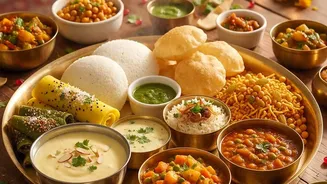
Sargi is the crucial pre-dawn meal eaten before the fast begins. Traditionally prepared by a mother-in-law, it is more than just a ritual; it is a scientifically sound way to prepare the body for the arduous day ahead. Skipping Sargi makes the fast significantly harder, often leading to severe headaches, dizziness, and fatigue by late morning as blood sugar levels drop sharply. A well-planned Sargi provides the necessary hydration and sustained energy to carry you through the day.
Key Health Risks of Waterless Fasting
The most immediate risk of a 'nirjala' fast is dehydration. Symptoms can range from thirst and headaches to dizziness and fatigue. In severe cases, dehydration can lead to electrolyte imbalances, low blood pressure, and even urinary or kidney problems. Another major concern is hypoglycemia, or low blood sugar, which can cause weakness, poor concentration, and fainting. These risks are heightened for individuals with pre-existing health conditions.
Building a Nutrient-Packed Sargi
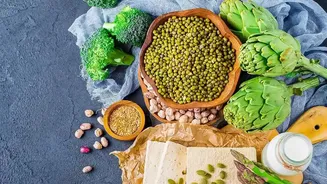
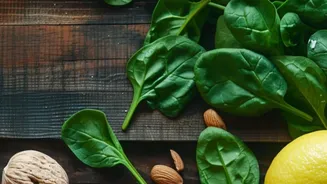
A smart Sargi is a balanced one. Instead of relying on heavy, fried foods or excessive sweets that can increase thirst, focus on a combination of nutrients. Include complex carbohydrates like a whole-wheat paratha or seviyan (vermicelli) for slow-release energy. Add protein from sources like paneer, curd, or nuts to promote satiety. Fresh, water-rich fruits such as bananas and pomegranates contribute to hydration, while a handful of soaked almonds provides healthy fats. Finally, drink plenty of water right before sunrise.
Who Should Be Extra Cautious?
Certain individuals should avoid a strict waterless fast altogether. Health experts strongly advise pregnant women against the 'nirjala vrat' as it can risk both maternal and foetal health. Those with diabetes, especially if taking insulin, face risks of dangerous blood sugar fluctuations and should consult their doctor before considering any form of fasting. People with high blood pressure, kidney disease, heart conditions, or anaemia are also urged to seek medical advice, as dehydration can worsen their conditions. A modified fast, with water and light snacks, is a much safer alternative for those with health concerns.
Tips for a Safer Fast and Gentle Breaking
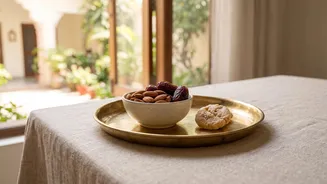
During the day, conserve your energy. Avoid strenuous activities and stay in a cool, comfortable environment to minimize water loss through sweat. When the moon rises, break your fast gently. Rushing into a heavy, oily, or sugary meal can cause digestive distress and a sharp spike in blood sugar. Start by slowly sipping a glass of water. Follow this with something light and hydrating like coconut water, a few dates, or a piece of fruit. Wait for 15–20 minutes before having a balanced, gentle meal like khichdi or a simple dal with roti.