







The Ohio Study's Key Findings
Researchers in Northeast Ohio conducted a study involving 85 households with residents suffering from poorly controlled asthma. Each home had their gas stove replaced with a new electric induction model at no cost. The results were striking: after the switch,
indoor nitrogen dioxide (NO2) levels plummeted by 70%. But the numbers tell only part of the story. Participants also reported significant health improvements. Their asthma symptoms, on average, went from moderate to mild. Furthermore, missed days of work or school due to asthma dropped by approximately 80%, and the need for emergency room visits or hospitalizations fell by 70%. The participants' satisfaction was nearly universal, with 98% reporting they were satisfied or very satisfied with their new induction stoves.
What Is Nitrogen Dioxide and Why Is It a Concern?
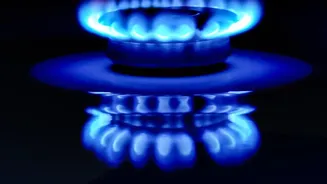
Nitrogen dioxide, or NO2, is a pollutant gas that forms during high-temperature combustion, like the process that happens when you burn natural gas on a cooktop. While vehicle exhaust is a major source of outdoor NO2, appliances inside our homes can create concerning levels of indoor pollution. The U.S. Environmental Protection Agency (EPA) links NO2 exposure to a range of health problems. Short-term exposure can irritate the eyes, nose, and throat, and aggravate respiratory conditions like asthma. Long-term exposure is more serious, contributing to the development of asthma, particularly in children, and decreased lung function. Studies have estimated that pollution from gas stoves could be linked to as many as 200,000 current childhood asthma cases nationwide.
How Induction Cooking Cleans the Air
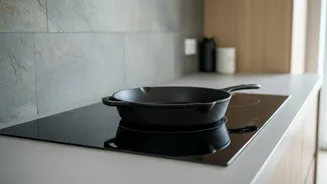
Unlike gas or traditional electric coil stoves, induction cooktops don't use a direct heat source like a flame or a glowing-hot element. Instead, they use electromagnetism. A coiled copper wire beneath the ceramic surface creates a magnetic field that interacts directly with magnetic cookware (like cast iron or magnetic stainless steel), turning the pan itself into the heat source. Because there is no combustion, induction stoves do not produce harmful byproducts like nitrogen dioxide or carbon monoxide. This process is also highly efficient, heating food much faster than gas or conventional electric stoves while the cooktop surface remains relatively cool to the touch.
Broader Context and Practical Solutions
The Ohio findings add to a growing body of evidence about the indoor air quality benefits of moving away from gas. A similar study in New York City public housing found that switching to induction stoves reduced average daily NO2 concentrations by 56%. Researchers note that simply using a range hood isn't always a complete solution, especially if it only recirculates air instead of venting it outdoors. And in many smaller or older homes, ventilation can be poor. While replacing a stove is a significant step, it's not the only option. Using portable, single-burner induction cooktops for some tasks can reduce gas usage. For those sticking with gas, experts stress the importance of using a range hood that vents to the outside every time you cook and opening windows to improve ventilation.