
The Viral Moment on Display
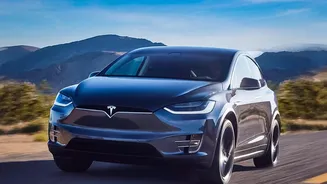
A short video, reportedly recorded in a Tesla Model Y in Gurugram, has clocked over 12 million views, sparking a massive online conversation. The clip doesn't show the car performing daring manoeuvres, but something far more compelling: its central touchscreen.
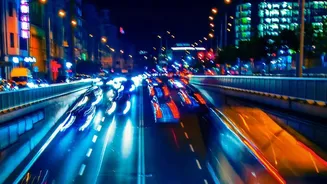
The display, which visualises what the car's cameras and sensors detect, becomes a chaotic ballet of icons. Cars, trucks, auto-rickshaws, motorcycles, and pedestrians are all identified and tracked simultaneously, creating a crowded digital picture of the road. Online, the reactions were a mix of amusement and awe. Commentators humorously dubbed it a "desi reality check" and the ultimate "stress testing at the maximum level" for the advanced technology.
Autopilot's Toughest Exam
Tesla's driver-assistance systems, known as Autopilot and Full Self-Driving (Supervised), are designed to help with steering, accelerating, and braking. These systems are trained on vast amounts of data, mostly from North American and European roads, which are generally characterized by clear lane markings and predictable driver behaviour. Indian roads, and Gurugram's in particular, present a fundamentally different challenge. The environment is a complex mix of vehicle types, from buses to bicycles, all sharing the same space. Add to this unpredictable lane changes, pedestrians crossing unexpectedly, and a general driving culture that often prioritises flow over rigid rules, and you have what many experts consider one of the most complex driving environments in the world.
How Did the Technology Perform?
It's important to note that the busy screen visualisation does not necessarily indicate a system failure. Instead, it shows the system is working as intended, detecting and tracking dozens of objects in its immediate vicinity. The sheer volume of data being processed is what caught people's attention. The video doesn't provide enough information to judge the car's actual driving performance or how often the human driver needed to intervene. However, the viral clip has become a powerful, real-world example of the gap between the structured environments where autonomous technology is developed and the fluid, often chaotic conditions on Indian roads. Many online commentators joked that the AI might "hang" or that Tesla would need to develop a special India-specific software update to cope.
The Long Road to an Autonomous India
This viral moment highlights the significant hurdles that self-driving technology faces in India. The challenges are not just technological but also infrastructural and regulatory. For any Advanced Driver-Assistance System (ADAS) to work reliably, it needs clear and consistent road infrastructure, including well-defined lane markings and standardised signage, which are often lacking. Furthermore, Indian law does not currently have a framework for autonomous vehicles. The Motor Vehicles Act of 1988 makes no provision for self-driving cars, and testing is not legally permitted on public roads without significant overhaul of existing regulations. Government officials have also expressed concerns about potential job losses for drivers if autonomous vehicles were to become widespread.