






The Cart: Your First Line of Defence
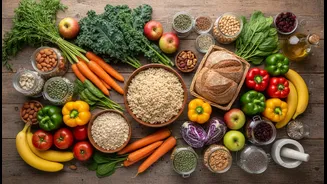
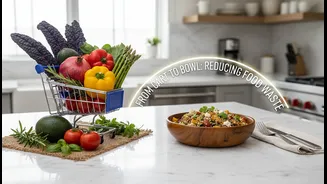
The battle against food waste begins long before you get to the kitchen—it starts at the grocery store. The single most effective strategy is to shop with a plan. Before you leave the house, take stock of your pantry, fridge, and freezer. Based on what
you already have, plan your meals for the week. This turns your shopping trip from a random hunt into a targeted mission. Create a detailed list and, most importantly, stick to it. This helps curb impulse buys, which are a major source of eventual waste. Be wary of bulk deals on perishable items; a 'buy one, get one free' offer on salad greens is no bargain if the second bag wilts before you can use it. Opting for loose fruits and vegetables allows you to buy the exact quantity you need, further preventing a surplus that might spoil.
Smart Storage and Understanding Dates
Once your groceries are home, proper storage is crucial. In India, food labels can be confusing, but the distinction is simple. The 'Use By' or 'Expiry' date is about safety and should be followed, especially for perishable items like dairy and meat. The 'Best Before' date, however, refers to quality. A product past its 'Best Before' date is often still perfectly safe to eat, though its flavour or texture might have slightly diminished. Organise your fridge using the 'First In, First Out' (FIFO) method. Place newer items at the back and older ones at the front so they get used up first. Creating a designated 'Eat First' bin for items nearing their prime can also be a powerful visual reminder.
The Serving Bowl: Portion with Purpose
Over-serving is a common, unintentional path to waste. We often overestimate our appetites, leading to leftover food on the plate that gets scraped into the bin. The solution is to change how you serve food. Instead of loading up each plate in the kitchen, serve meals family-style in smaller bowls on the table. This allows everyone to take only what they think they can eat, with the option to easily go back for seconds. This simple psychological shift prevents 'plate waste' and keeps any remaining food from the serving dishes as clean leftovers for another meal. If you are not planning to use leftovers, try to make just enough for the meal, complemented by side dishes that keep well.
Reimagining Leftovers as 'Planned-overs'
Even with perfect planning, leftovers happen. The key is to reframe them not as a problem, but as an opportunity. Indian cuisine is exceptionally well-suited for transforming leftovers into new, exciting dishes. Yesterday's dal can be thickened to stuff a paratha or thinned into a soup. Leftover sabzi can become the filling for a sandwich, a wrap, or crispy samosas. The best approach is to plan for leftovers from the start. When you cook a chicken curry, intentionally make a little extra with the specific goal of turning it into kathi rolls or a pizza topping the next day. This transforms leftovers from an afterthought into 'planned-overs'—a time-saving ingredient for a future meal.