



The Truth About Tomatoes
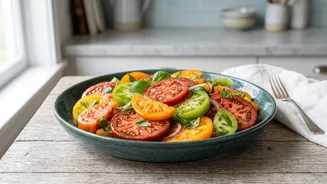
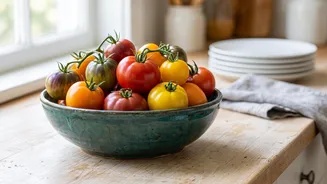
Refrigerating tomatoes is one of the most common kitchen mistakes. While it may slow down visible rot, the cold temperature is an enemy to its taste and texture. Chilling halts the natural ripening process, which is responsible for developing the complex
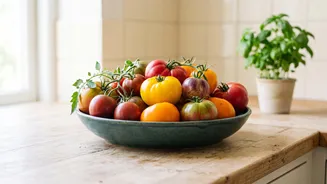
sweet and tangy flavours we love. More importantly, the cold air breaks down the delicate cell membranes within the fruit, resulting in a bland, mealy, and mushy texture. The damage is permanent; even bringing a chilled tomato back to room temperature won't restore its original flavour profile. For the best taste, store your tomatoes on the countertop, away from direct sunlight, and consume them within a few days of ripening. If they are perfectly ripe and you need them to last another day or two, refrigeration can be a last resort, but know that you are sacrificing flavour for longevity.
Potatoes Need the Dark
Potatoes thrive in conditions that are cool, dark, dry, and well-ventilated—the exact opposite of a refrigerator. When stored in the cold, a potato's starches begin to convert into sugar. This process, known as cold-induced sweetening, gives the potato an unpleasantly sweet taste and a gritty, mealy texture when cooked. These excess sugars can also cause the potatoes to brown too quickly when fried or roasted. The ideal storage spot is a pantry, a cellar, or a lower kitchen cabinet away from the stove. Also, be sure to store them separately from onions. Onions release ethylene gas, which can cause your potatoes to sprout prematurely.
Why Your Bread Goes Stale
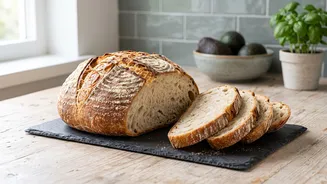
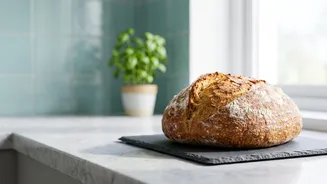
Contrary to popular belief, a refrigerator does not keep bread fresh; it actually makes it go stale faster. The process of staling is not about drying out, but about the recrystallization of starch molecules, which happens most rapidly at cool, above-freezing temperatures—like those in your fridge. This causes the bread to become hard, dry, and crumbly in a fraction of the time it would at room temperature. Even commercially produced sandwich breads with preservatives are affected, though to a lesser degree. The best way to store bread for daily use is in a bread box or a paper bag at room temperature, which helps maintain its moisture and crust. For long-term storage, the freezer is your best friend. Freezing almost completely pauses the staling process, preserving the bread's texture and flavour for weeks or even months.
Onions and Garlic Need to Breathe
Whole onions and garlic bulbs should never be stored in the refrigerator. The cold, humid environment of the fridge causes them to become soft, mushy, and prone to mould much faster than they would otherwise. These alliums need good air circulation to stay fresh. The best method is to keep them in a cool, dry, and dark place with plenty of ventilation, such as in a mesh bag, a basket, or a paper bag with holes punched in it. Proper storage can help onions last for up to two months and garlic for three to five months. However, once an onion or garlic clove is peeled or chopped, it should be stored in a sealed container in the refrigerator and used within a week.
A Note on Honey and Coffee
Two other pantry staples that suffer from refrigeration are honey and coffee. Honey is naturally preserved due to its low water content and high sugar concentration; it simply does not need to be refrigerated. In fact, cold temperatures will cause honey to crystallize and solidify, making it difficult to pour. It is best kept in a sealed jar at room temperature, away from direct sunlight. Similarly, coffee, whether in bean or ground form, should be kept out of the fridge. Coffee is highly absorbent and will soak up the odours of other foods in your refrigerator, permanently tainting its flavour. Store it in an airtight container in a cool, dark pantry to maintain its rich aroma and taste.