



Move over, poha and parathas. A new breakfast trend is taking hold, one where morning plates look surprisingly like dinner, packed with savoury proteins. This shift isn't just about trying something new; it's a deliberate move towards functional eating.
The Dawn of the Dinner-Plate Breakfast
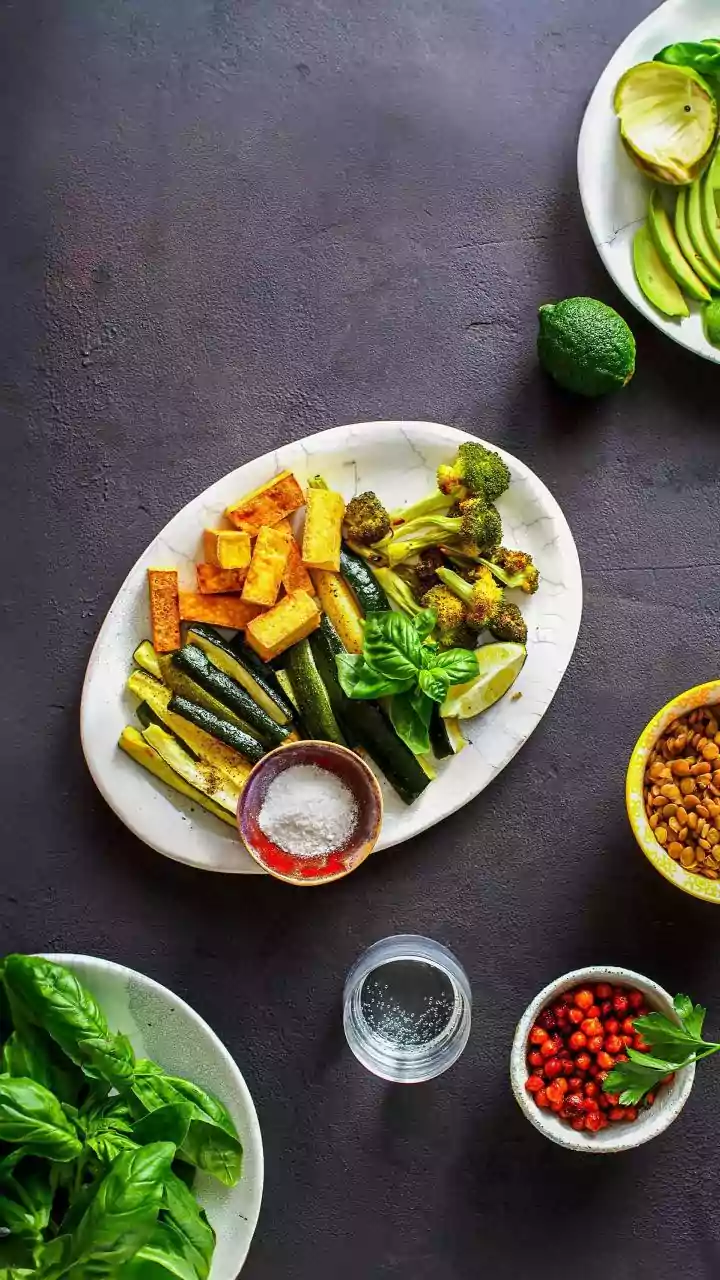
The traditional Indian breakfast, often rich in carbohydrates, is facing competition from a new morning philosophy: starting the day with a substantial, savoury, protein-forward meal. Imagine grilled chicken, scrambled paneer or tofu, sauteed vegetables, and even leftover salmon finding their way onto the 9 a.m. plate. This move away from sweet or carb-heavy options like cereal, toast, or even some traditional Indian staples is a global phenomenon gaining traction in India. It’s a conscious decision to treat breakfast as the most important meal not just by convention, but by composition, focusing on nutrients that provide sustained energy rather than a quick rush.
Why the Big Shift?
Several factors are driving this trend. A growing awareness of how food affects energy and blood sugar is a primary motivator. High-carbohydrate breakfasts can cause a rapid spike and subsequent crash in blood sugar, leading to mid-morning hunger and cravings. In contrast, protein slows down digestion, ensuring a more stable and prolonged release of energy. This is particularly appealing for those with busy schedules who need to stay focused and full until lunch. Furthermore, the rise of fitness culture and a better understanding of macronutrients have people prioritising protein for muscle maintenance and growth. Finally, changing work patterns, with more people working from home, allow for more time to prepare a substantial breakfast that was once reserved for the evening.
The Nutritional Payoff
According to nutritionists, the benefits of a protein-heavy breakfast are significant. The most immediate effect is increased satiety. Protein is the most filling macronutrient, and studies show that starting the day with it can reduce overall calorie intake throughout the day by curbing cravings and evening snacking. For those looking to manage weight or build muscle, a protein-rich start is highly effective. Research indicates it can boost metabolism and is crucial for muscle protein synthesis, especially when protein intake is spread throughout the day rather than concentrated at dinner. A breakfast with at least 20-30 grams of protein is often recommended to reap these benefits.
Bringing the Trend to an Indian Kitchen
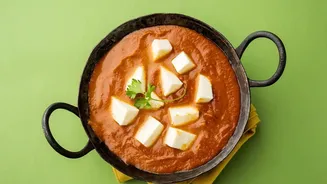
Adopting this trend doesn't mean abandoning Indian flavours. In fact, the Indian kitchen is already well-equipped for it. Paneer bhurji is a powerhouse of protein, with a 150g serving providing nearly 30 grams. Moong dal chilla, made from lentils, is another excellent plant-based option that can be stuffed with paneer or tofu to boost its protein content. For non-vegetarians, egg bhurji or a simple masala omelette are quick and effective choices. Even staples can be adapted; adding soya chunks to upma or roasted peanuts and paneer to poha can dramatically increase their protein value. Other ideas include sprouts chaat with curd, besan chillas, or even sattu porridge.
Is It for Everyone?
While the benefits are clear, a dinner-style breakfast isn't a one-size-fits-all solution. Preparation time can be a significant barrier for those with hectic mornings, though some meal prep over the weekend can help. Cost can also be a factor, as protein sources like paneer, chicken, and eggs are typically more expensive than traditional carbohydrate staples. It's also important not to discount traditional Indian breakfasts, many of which, like idli with sambar, are quite balanced. The key is mindfulness. The trend points towards a broader shift in understanding what our bodies need to function optimally, encouraging a move away from highly processed, sugary breakfast options towards whole foods that provide lasting fuel.