







The Claim: A Nutrient-Packed Sweetener
Much of the buzz around maple syrup centres on its nutritional profile, which is certainly more impressive than that of white table sugar. Pure maple syrup contains several essential minerals and antioxidants. It's an excellent source of manganese, crucial
for bone health and metabolism, and also provides riboflavin (vitamin B2), which helps with energy production. Furthermore, it contains trace amounts of zinc, calcium, potassium, and copper. Unlike refined sugar, which is stripped of nutrients, maple syrup retains these compounds from the tree sap it comes from. Researchers have identified dozens of different antioxidant compounds called polyphenols in maple syrup, some of which are unique to it. These antioxidants are known for fighting cellular damage in the body.
The Reality: It's All About the Serving Size
While the presence of these nutrients is a fact, their impact is often overstated. To get a significant amount of most of these minerals and antioxidants, you would need to consume a very large quantity of maple syrup. For instance, a single tablespoon provides about a third of your daily manganese needs but only a tiny fraction of other minerals like calcium or potassium. The problem is that a tablespoon also contains around 52 calories and 12 grams of sugar. Relying on maple syrup for your daily nutrient intake would mean consuming an unhealthy amount of sugar, which negates the potential benefits. Health experts agree that the best way to get these essential nutrients is through a balanced diet of whole foods, not by increasing your sugar intake.
The Claim: A Better Choice for Blood Sugar
Another common argument in favour of maple syrup is its lower glycemic index (GI) compared to table sugar. The glycemic index measures how quickly a food raises blood sugar levels. Pure maple syrup has a GI of around 54, while white sugar's is higher at about 65. This means that, in theory, maple syrup causes a slower, less dramatic spike in blood sugar, making it a seemingly better option, particularly for those managing blood sugar levels. Some small studies, often funded by maple producer associations, have suggested that substituting sugar with maple syrup might help reduce abdominal fat and lower blood pressure.
The Reality: Your Body Still Treats It as Sugar
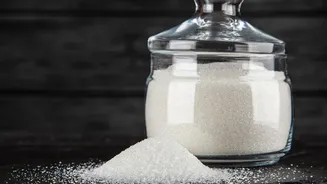
A lower glycemic index is a point in its favour, but it doesn't make maple syrup a free pass. It is still a form of added sugar, and your body ultimately metabolizes it as such. Whether it comes from a tree or a sugar cane, excess sugar consumption is linked to weight gain, an increased risk of type 2 diabetes, and heart disease. While the blood sugar spike may be slightly less abrupt than with table sugar, it still happens. For people with diabetes or insulin resistance, this is a crucial distinction. When compared to other natural sweeteners, its GI is quite similar to honey, which sits at around 58. Therefore, while it is technically superior to refined white sugar, the difference isn't significant enough to classify it as a health food.
The Verdict: Enjoy for Flavour, Not for Health
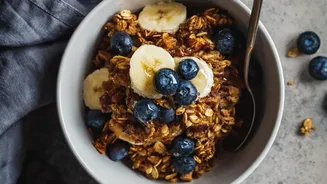
Pure maple syrup is a more natural, less processed sweetener than high-fructose corn syrup or table sugar, and it does offer a better nutrient profile. However, it's important to keep these benefits in perspective. It is not a superfood, and its primary component is still sugar. The wisest approach is to treat maple syrup as what it is: a delicious topping to be enjoyed for its unique flavour, not as a health supplement. When you do use it, opt for 100% pure maple syrup, as many commercially available 'pancake syrups' are just maple-flavoured corn syrup with no nutritional benefits. The key takeaway promoted by health organisations and dietitians alike is moderation. A small drizzle on your morning porridge or pancakes is perfectly fine, but increasing your serving size to chase antioxidant benefits is a counterproductive strategy.