


The Fragile Giants
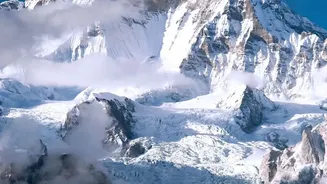
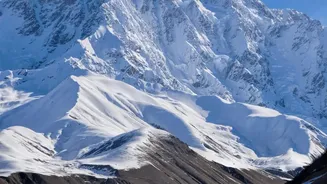
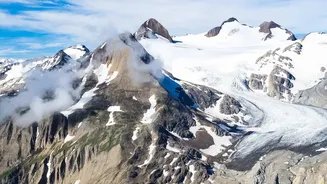
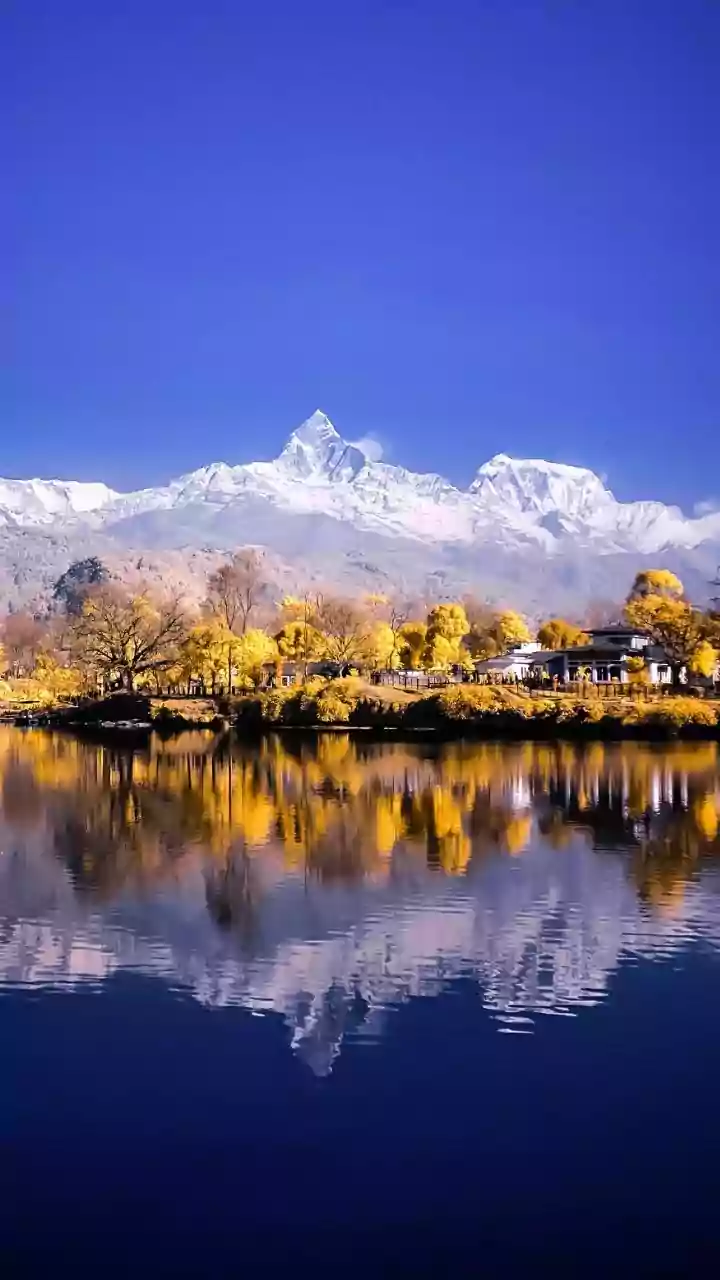
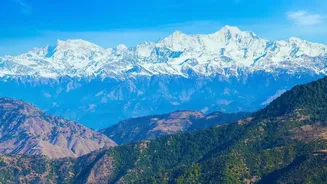
The Himalayas are the world's youngest and tallest mountain range, still rising due to the ongoing collision of the Indian and Eurasian tectonic plates. This geological youth makes them inherently unstable. The slopes are steep, the rock is often fractured,
and the entire region is seismically active. For millennia, ice and permafrost—permanently frozen ground—have acted as a kind of glue, holding these fragile slopes together. But this natural stability is weakening, setting the stage for disaster.
The Small Triggers
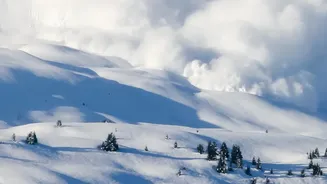
A disaster often begins with a single trigger, which can be surprisingly small. It could be a landslide, a chunk of a glacier breaking off (an avalanche), or the failure of a natural dam. One of the most significant threats is a Glacial Lake Outburst Flood (GLOF). As glaciers melt due to rising global temperatures, they form vast lakes, often held back only by unstable walls of loose rock and debris called moraines. An avalanche falling into one of these lakes can cause a displacement wave, overtopping the moraine dam and releasing millions of cubic metres of water in an instant. In other cases, as seen in the 2021 Chamoli disaster, a massive rock and ice avalanche can collapse from a steep peak without any lake being involved.
The Destructive Cascade
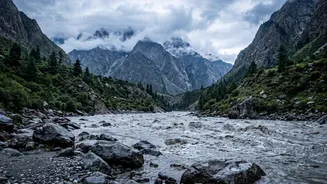
Once unleashed, the initial event triggers a devastating chain reaction known as a 'cascading hazard'. A GLOF or a flash flood from a rock-ice avalanche is not just a rush of water; it's a slurry of mud, debris, and enormous boulders. As this torrent surges down the steep, narrow valleys, it gains tremendous speed and power. It scours the valley walls, picking up more sediment and debris, which bulks up its volume and destructive force. A flow that started as water can transform into a thick, fast-moving debris flow, capable of transporting boulders the size of cars and obliterating everything in its path.
The Unstoppable Downstream Rush
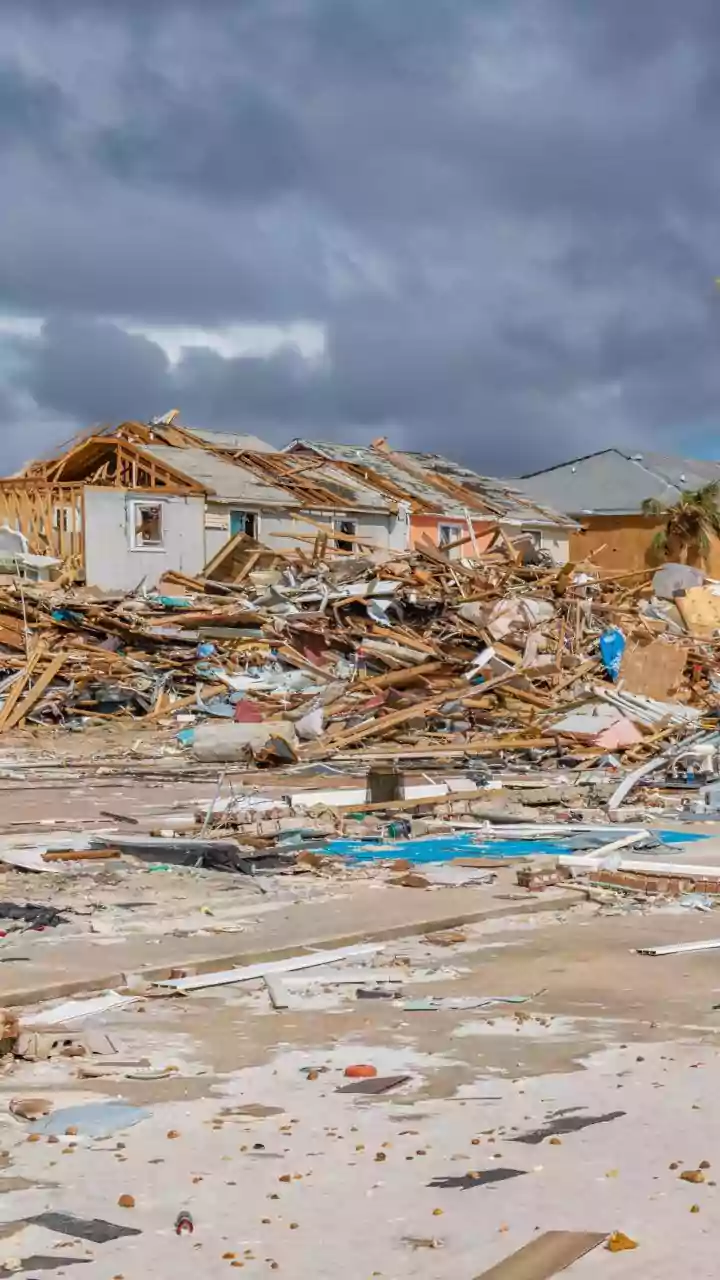
By the time the flood reaches downstream areas, its power is immense. Bridges, roads, and entire villages can be swept away within minutes. Hydropower projects, which are often built in these river valleys to harness the water's energy, become particularly vulnerable. The sheer force of the debris-laden water can overwhelm and destroy massive concrete structures, as was seen in both the 2013 Kedarnath and 2021 Chamoli floods. The flood can travel over 100 kilometres, causing destruction far from the original trigger event, and the surge can be terrifyingly fast, with river levels rising by several metres in just minutes.
A Worsening Threat
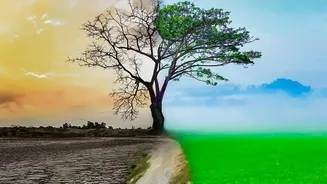
This deadly chain reaction is being amplified by climate change. Himalayan glaciers are melting at an accelerated rate, creating more and larger glacial lakes. Thawing permafrost is weakening mountain slopes, making landslides and rock-ice avalanches more likely. At the same time, increased development in these vulnerable valleys places more people and critical infrastructure in harm's way. This combination of natural fragility, a changing climate, and human activity means that the risk of a small trigger creating a massive downstream disaster is higher than ever.