



A thwarted terror plot targeting Taylor Swift’s sold-out Vienna concerts in August 2024 is back in the spotlight. New reports are shedding light on the extensive international intelligence cooperation that prevented a potential mass-casualty event.
What We Know About the Plot
In
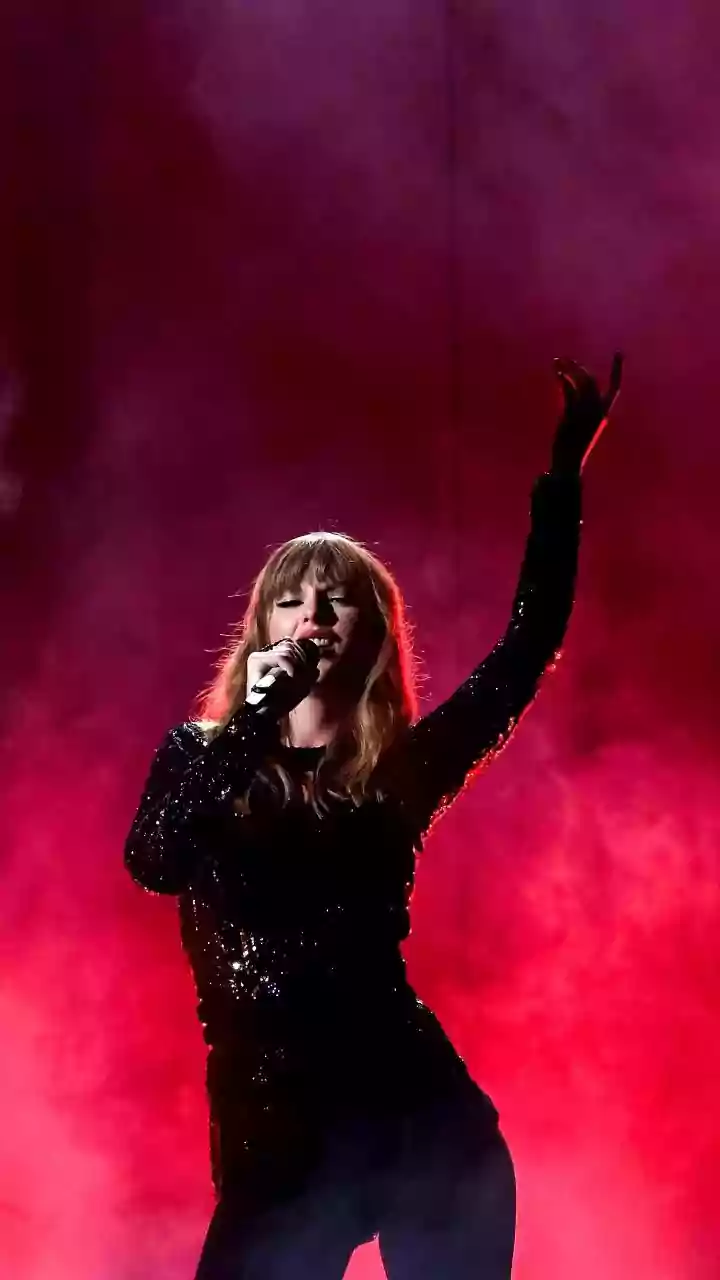
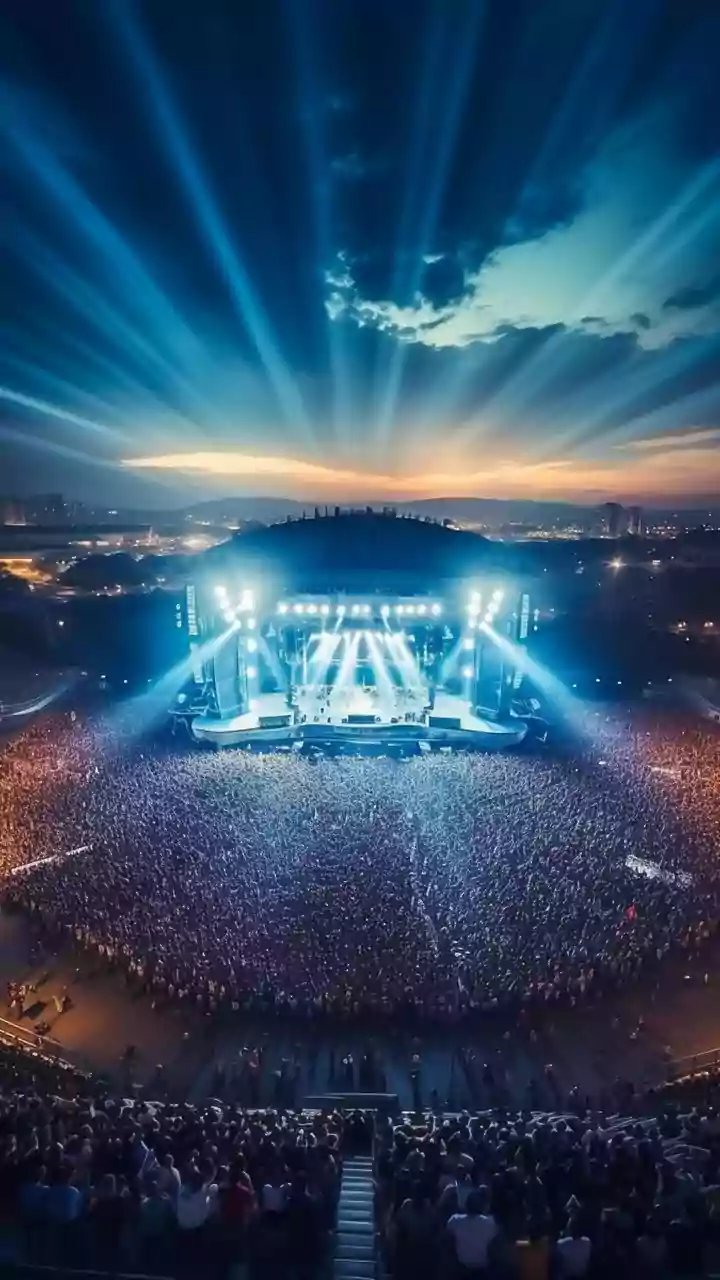
August 2024, Austrian authorities arrested several young men who were allegedly planning a large-scale terrorist attack. The target was one of three sold-out Taylor Swift Eras Tour concerts at Vienna's Ernst Happel Stadium, an event expected to draw over 200,000 fans over three nights. The main suspect, a 21-year-old identified as Beran A., had reportedly pledged allegiance to the Islamic State (IS) and was making concrete preparations. Authorities discovered that the plot involved plans to use knives, a vehicle, and homemade explosives to attack fans both inside and outside the venue, with the stated aim of killing as many people as possible. The gravity of the threat led organizers to make the difficult decision to cancel all three concerts just a day before the first show, a move that stunned fans but was deemed essential for public safety.
A Web of International Intelligence
The successful disruption of the attack was not the work of one country alone. The headline-making 'revisited' element of this story is the recent revelation about the scope of intelligence sharing. In late November 2026, the former head of Israel's Mossad, David Barnea, publicly confirmed his agency's involvement. He stated that after receiving a warning from Austrian partners, Mossad used its capabilities to help analyze the threat and uncover the terrorist cell's infrastructure. This adds another layer to what was already known about the international effort. Previously, U.S. officials, including the then-deputy director of the CIA, had confirmed that American intelligence provided the initial crucial tip-off to Austrian authorities that set the investigation in motion. Reports also indicate a Syrian teenager in Germany was charged in 2025 for aiding the Austrian cell, highlighting a German connection to the wider network.
The Suspects and Their Motives
The individuals at the center of the plot were young men who had been radicalized online. The main planner, Beran A., was an Austrian citizen who had researched how to build explosives and attempted to illegally purchase weapons. During his trial, it was revealed he had confessed to planning the attack. Another suspect, a 17-year-old, had reportedly secured a job with a service company working at the concert venue, giving him potential access that deeply concerned security officials. The plot was compared by many to the tragic 2017 bombing at an Ariana Grande concert in Manchester, England, which killed 22 people. The Vienna suspects were found to be supporters of the Islamic State and had communicated with other extremists online, driven by a violent ideology that frequently targets large, Western cultural events.
Justice and Aftermath
The legal process following the arrests has been moving forward. In May 2026, lead defendant Beran A. was convicted of multiple terrorism-related offenses and sentenced to 15 years in prison. Another co-defendant received a 12-year sentence for his role. The case served as a stark reminder of the ongoing threat posed by extremist groups and the vulnerability of large public gatherings. For the thousands of 'Swifties' who had traveled to Vienna from around the world, the news was devastating, though many gathered peacefully in the city to trade friendship bracelets and sing together in a show of solidarity. Two weeks after the cancellations, Taylor Swift addressed the situation, expressing her devastation and fear but emphasizing that it is 'better to mourn shows than lost lives' and thanking the authorities for their work.