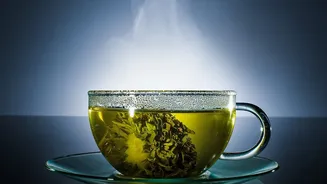







The Science Behind the Steam
The concern around very hot beverages isn't new, but it's often misunderstood. It’s not the tea or coffee itself that poses a problem, but the extreme heat. The World Health Organization's International Agency for Research on Cancer (IARC) has classified
drinking beverages hotter than 65°C (149°F) as "probably carcinogenic to humans". This conclusion is based on studies showing that regularly consuming very hot drinks can cause repeated thermal injury to the cells lining the oesophagus, or food pipe. Over time, this cycle of damage and repair can increase the risk of developing oesophageal squamous cell carcinoma. The link has been observed in regions where it's traditional to drink tea or other beverages at temperatures around 70°C.
How Hot Is Too Hot?
The critical threshold identified by research is 65°C. To put that in perspective, many commercial coffee shops serve drinks between 71°C and 85°C. Water boils at 100°C. Most people find temperatures above 60-65°C uncomfortably hot, bordering on scalding. If you have to sip your drink very carefully to avoid burning your mouth, it's likely in the danger zone. Symptoms of a minor thermal injury to the oesophagus can include pain while swallowing, a feeling of food being stuck, or a burning sensation in your chest. These are signals from your body that the lining of your food pipe has been irritated or damaged.
Simple Habits for Safer Sipping
Protecting your oesophagus doesn't mean giving up your favourite hot drink. It just requires a few small adjustments to your routine. The simplest and most effective method is to just wait. Letting your tea or coffee sit for a few minutes after it's been served can bring it down to a safer temperature below 60°C. Stirring the beverage with a metal spoon can also help dissipate heat more quickly. Another easy trick is to add a small amount of cold milk or water, which instantly lowers the overall temperature. If you're in a hurry, you can try the technique of 'pulling' the tea—pouring it back and forth between two cups. This process aerates the liquid and cools it down rapidly.
It’s Not Just About Tea
While many studies focus on tea due to cultural drinking habits, the advice applies to all hot beverages and even foods. Whether it's coffee, hot chocolate, or even a very hot soup, repeated thermal injury is the underlying concern. The risk isn't about what you drink, but the temperature at which you consistently drink it. It's particularly important for those who also smoke or drink alcohol, as studies have shown that the combination of these habits with drinking very hot tea can significantly multiply the risk of oesophageal cancer. Making a conscious effort to let all hot things cool to a comfortable, warm temperature is a simple and effective step for long-term health.