




A Sweet Victory for Indian Space Cuisine
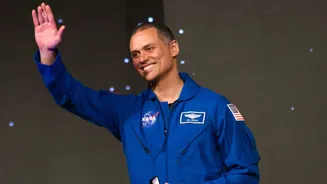
In a moment of national pride, astronaut Shubhanshu Shukla's mission to the International Space Station (ISS) featured a small but significant piece of Indian culture: a specially prepared space menu. The Defence Food Research Laboratory (DFRL) in Mysuru,
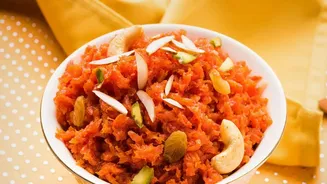
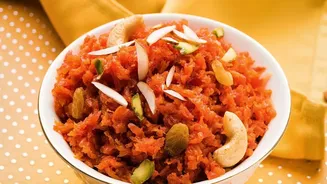
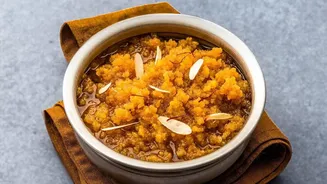
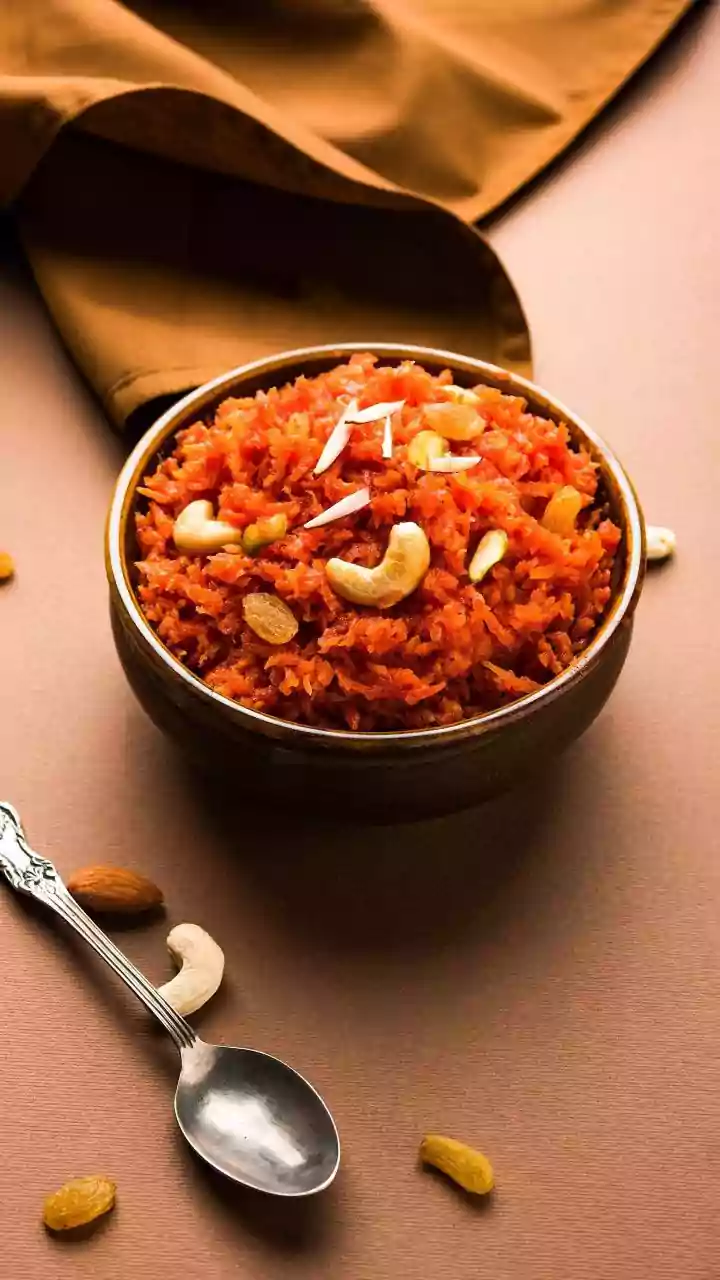
responsible for developing food for India's astronauts, had prepared an extensive list of dishes for qualification. However, after a series of rigorous tests, only three items were certified for flight: Gajar Ka Halwa, Moong Dal Ka Halwa, and the star of the show, Aamras. Interestingly, all three were desserts. This sweet success marked a key step for Indian space cuisine, demonstrating that traditional flavours could be adapted for the final frontier. The approved dishes were shared with the international crew aboard the ISS, giving them a unique taste of India thousands of kilometres above the Earth.
The Rigorous Gauntlet of Space Qualification
Getting food approved for a space mission is far more complicated than simply packing a meal. Every food item must undergo a demanding qualification process to ensure it is safe and practical for a microgravity environment. The food must have a long shelf life without refrigeration, be nutritionally dense, and remain stable during the intense vibrations of a rocket launch. One of the most critical factors is preventing fragmentation. In zero gravity, even tiny crumbs can float away and clog sensitive electronic equipment, posing a serious risk to the spacecraft and its crew. Similarly, liquids and gravies behave unpredictably, so meals must be designed to be cohesive and easy to consume without spilling. These strict requirements make qualifying dishes a lengthy and meticulous process.
Why Savoury Favourites Were Left Behind
The original menu proposed by DFRL was a feast of Indian comfort food, including favourites like khichdi, pulao, and various vegetable curries. However, these dishes faced significant hurdles. According to Shukla, the primary reason more dishes were not approved was a lack of time for the extensive testing required. Savoury dishes, particularly those with complex textures or gravies, present unique challenges. Breads like parathas or rotis can create crumbs, while gravies need special formulation to prevent them from floating away. Although DFRL has developed space-friendly versions of dishes like biryani, idli-sambar, and dal makhani for the upcoming Gaganyaan mission, they did not complete the full qualification process in time for Shukla's Axiom-4 mission. It wasn’t a failure of the food, but a race against the clock that the sweets happened to win.
The Science of Taste in Orbit
Beyond the technical challenges, there is also the science of human taste in space. Astronauts often experience a diminished sense of taste and smell, similar to having a blocked nose. This is because, in microgravity, bodily fluids shift upwards, causing congestion. As a result, food can taste bland. This is why astronauts often crave spicy and intensely flavoured foods. While Shukla's approved menu was sweet, he admitted to craving salty snacks after nearly two weeks in orbit. Food scientists must balance the need for strong flavours with health requirements, such as keeping sodium levels low to protect astronaut health on long missions. Even seasonings like salt and pepper are provided in liquid form to prevent loose particles from becoming a hazard.