



Why An Accent Wall Works
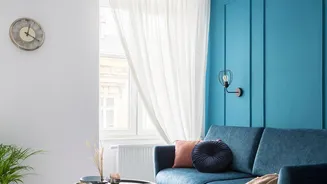
Committing to a single feature wall is a smart, budget-friendly strategy for transforming a room. It creates a powerful focal point, drawing the eye and adding a sense of intention to the space. This is especially effective in small rooms, where you can
make a bold statement without overwhelming all four walls. An accent wall can also help define zones in a compact area, such as creating a visual backdrop for a bed or a desk. Contrary to popular belief, a well-chosen pattern or dark color doesn't automatically shrink a room. In fact, dark colors tend to recede, which can create an illusion of depth and make a wall feel farther away.
Choosing Your Vintage Vibe
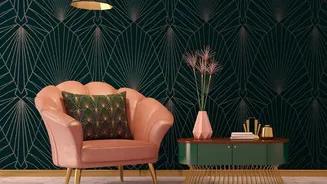
The term 'vintage' covers a wide array of styles, each with its own distinct personality. For a touch of 1930s glamour, consider Art Deco patterns, which feature bold geometric shapes, sweeping curves, and sunburst motifs. If you prefer something more romantic, Chinoiserie offers whimsical, European-imagined scenes of East Asian life, with pagodas, lush gardens, and exotic birds. Large-scale floral or botanical prints are another fantastic option, bringing a soft, nature-inspired feel indoors. For a more traditional and narrative look, Toile de Jouy patterns depict pastoral scenes of country life. Don't be afraid to mix these vintage elements with modern furniture for a layered, eclectic look that feels collected over time.
The Rules of Pattern in Small Spaces
The key to using patterns in a small room is getting the scale right. A common mistake is choosing a pattern that is too small and busy, which can create visual clutter. Counterintuitively, a large-scale pattern often works better, as the eye reads it as an intentional piece of art rather than background noise. When in doubt, go one size larger with the pattern than your instinct suggests. Vertical stripes are a classic choice for making low ceilings feel higher. If you opt for a bold pattern, pull one or two colors from it to use in other accents around the room, like cushions or a lamp, to create a cohesive feel.
Beyond Traditional Wallpaper
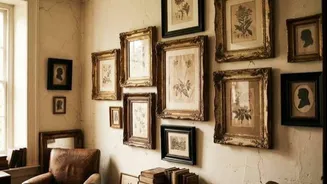
While wallpaper is a classic choice, it's not the only way to create your vintage accent wall. Peel-and-stick wallpaper offers a less permanent solution, perfect for renters or those who like to change their decor frequently. Stencils are another great option, allowing you to paint a pattern directly onto the wall in any color combination you desire. For a truly unique look, consider creating a gallery wall with a collection of vintage art, mirrors, or even decorative plates. Grouping items by a common theme, color, or frame style can create a stunning and personal feature. You can even use repurposed textiles stretched over a canvas for a touch of softness and texture.
Styling the Rest of the Room
Once your accent wall is complete, the final step is to style the surrounding space. The goal is to let the feature wall be the star without being overshadowed by competing elements. Choose furniture that complements the accent wall without matching it perfectly. For instance, a sleek, modern console table can create an elegant contrast against an ornate, vintage-patterned wall. It's crucial that the accent wall feels integrated with the room, not like a random addition. Echoing a color from the pattern in a throw pillow or a piece of decor can tie the whole space together beautifully. Finally, be mindful of lighting. Good natural or artificial light will prevent a dark or bold pattern from making the space feel too confined.