
A Journey Back in Time
The story of the Kalka-Shimla Railway is deeply entwined with the history of British India. In 1864, Shimla was declared the official summer capital, creating the annual challenge of moving the entire administration from Calcutta to the cooler Himalayan
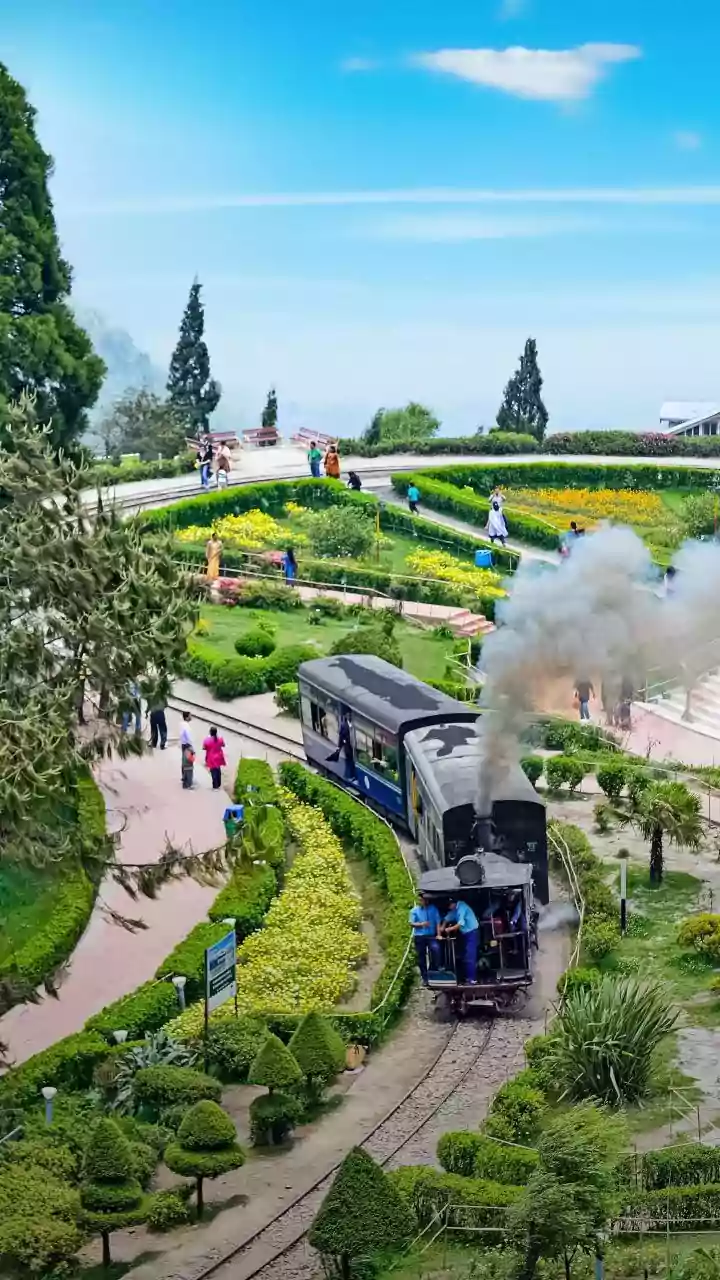
foothills. To ease this arduous journey, construction began on a narrow-gauge railway line in 1898. Opened on November 9, 1903, by Viceroy Lord Curzon, this railway was a lifeline for the British Raj. Today, it stands as a living museum and a UNESCO World Heritage Site, a status it received in 2008, recognizing it as an exceptional example of mountain railway engineering.
A Marvel of British Engineering
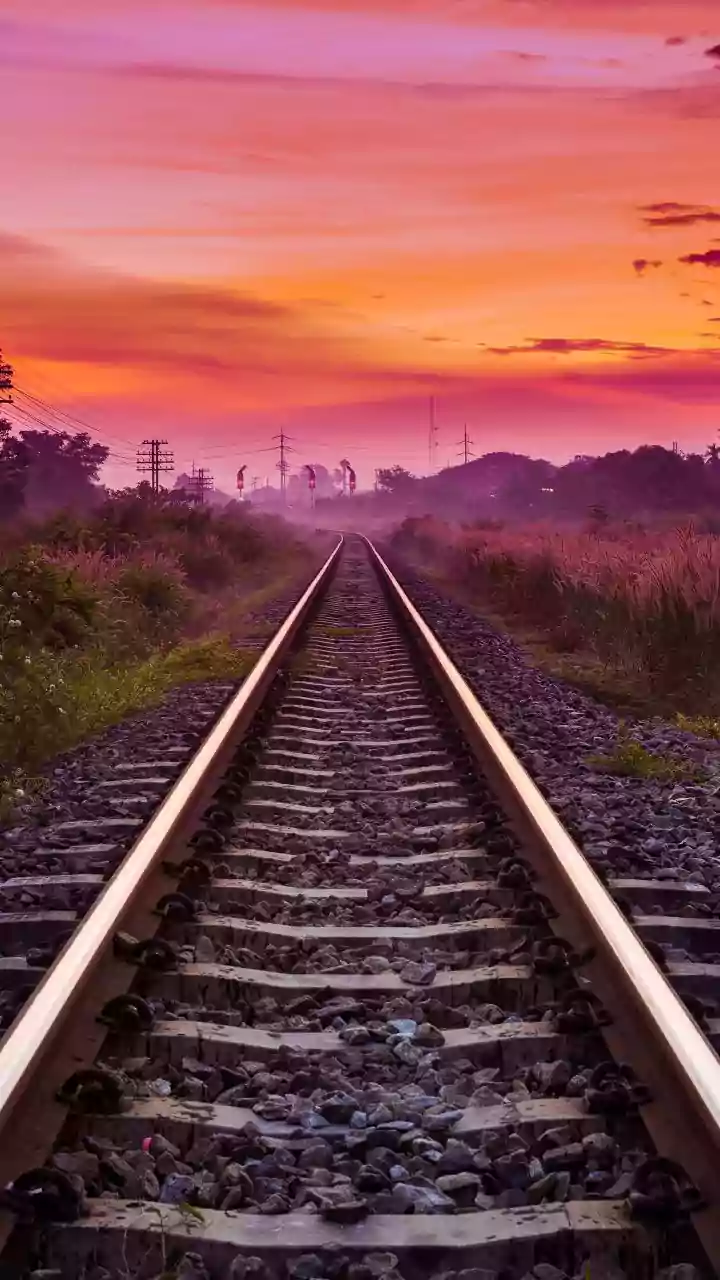
The 96-kilometre route is a testament to the audacity and skill of its creators, primarily chief engineer Herbert Septimus Harington. To conquer the steep terrain, the line climbs over 1,400 metres, navigating an astounding 919 curves, crossing more than 864 multi-arched bridges, and passing through 102 tunnels. The journey's slow pace, averaging around 25 kilometres per hour, is a deliberate feature, allowing the train to safely manage the sharp inclines. Key stations like Dharampur, Solan, and the historically significant Barog mark the ascent. The Barog station is famous for its adjacent tunnel, the longest on the route at 1,143 metres, which takes about two and a half minutes to cross and has a tragic story associated with its construction.
The Slow Spectacle Unfolds
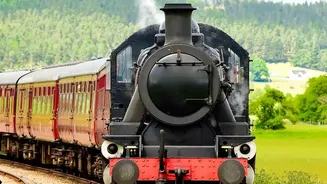
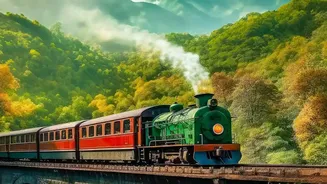
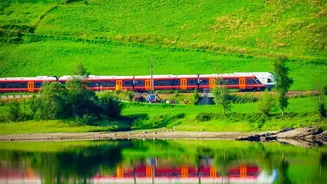
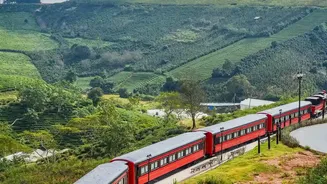
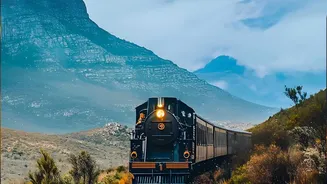
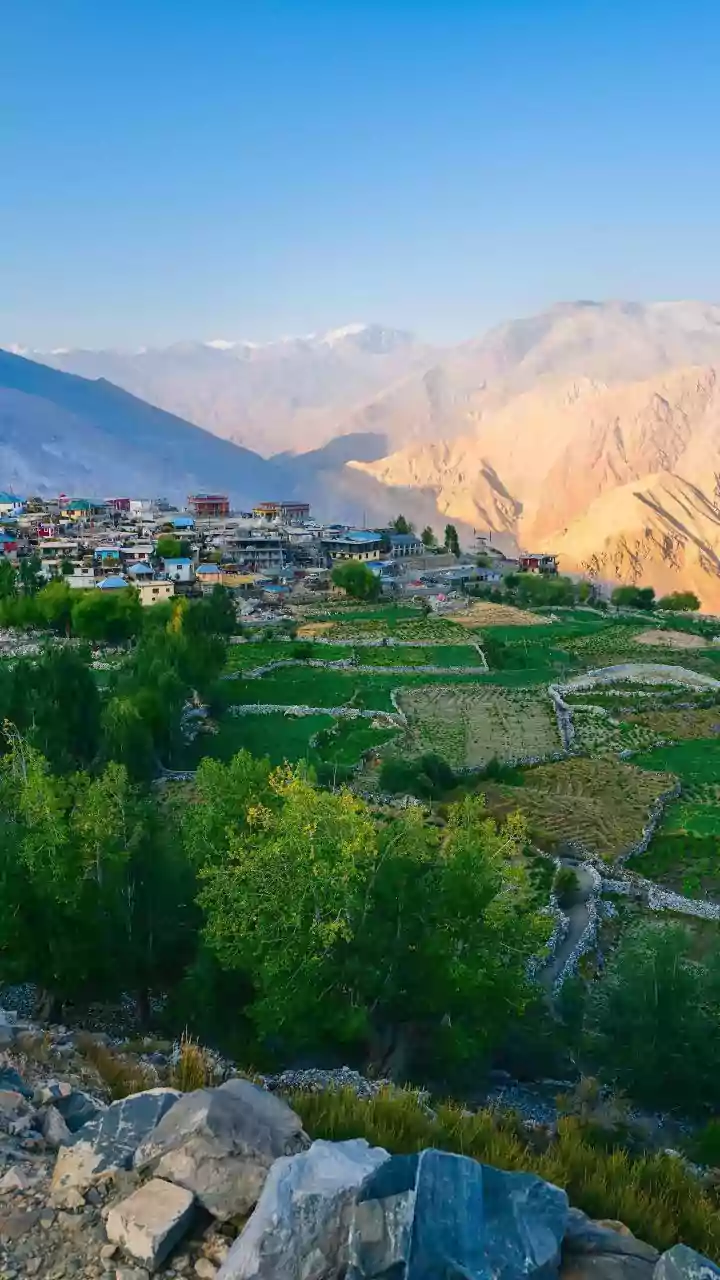
The real star of the journey is the landscape itself. As the train pulls away from Kalka, the scenery transforms dramatically. The plains give way to the rugged Shivalik foothills, with the track clinging to the mountainside. Passengers are treated to breathtaking views of deep valleys, terraced farms, and dense forests of pine and oak. The train passes through charming, colonial-era stations, many of which seem frozen in time. Looking out the window, you might see small villages dotting the hillsides, monkeys playing near the tracks, and a panorama of the Himalayas that changes with every curve. The experience is not about speed but about immersion, watching the world unfold at a leisurely, cinematic pace.
Planning Your Heritage Ride
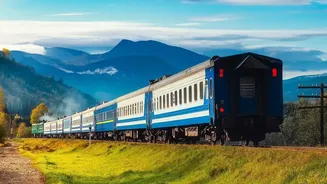
Several trains ply this route, each offering a slightly different experience. The Shivalik Deluxe Express is known for its comfort, while the Himalayan Queen and the Kalka Shimla Express are also popular choices. For a truly unique experience, look for the Rail Motor Car, a vintage single-carriage train from 1927, or coaches with Vistadome glass ceilings for panoramic views. Booking in advance is highly recommended, especially during peak tourist seasons (March to June), as tickets sell out quickly. You can book online via the official Indian Railways website. While the journey is stunning year-round, travelling during the post-monsoon months of September and October offers lush green landscapes, while winter can bring the magical sight of snow.