
A New Kind of Cosmic Object
In a groundbreaking discovery, astronomers from MIT and other institutions have identified an entirely new class of cosmic object, which they are calling a “black hole star”. Using the powerful James Webb Space Telescope (JWST), the team spotted an object that
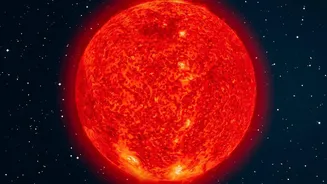
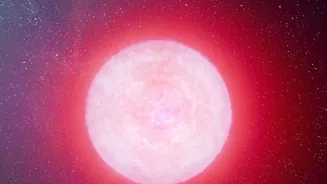
appears as a bright red dot, dating back to just a few hundred million years after the Big Bang. This object, formally named MoM-BH-1, has the size of our solar system but shines with the energy of 100 billion suns—far more than any normal star could produce. Its immense energy output is more typical of a feeding black hole, yet its appearance is star-like, creating a cosmic puzzle that scientists are now beginning to unravel.
The Black Hole at its Heart
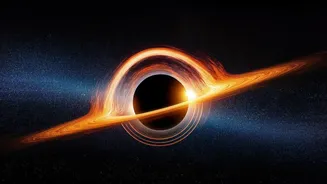
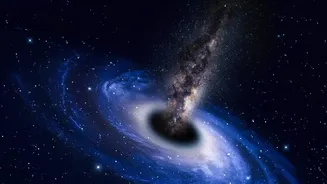
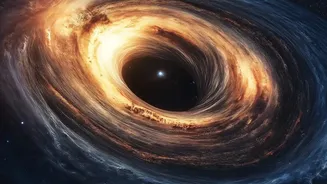
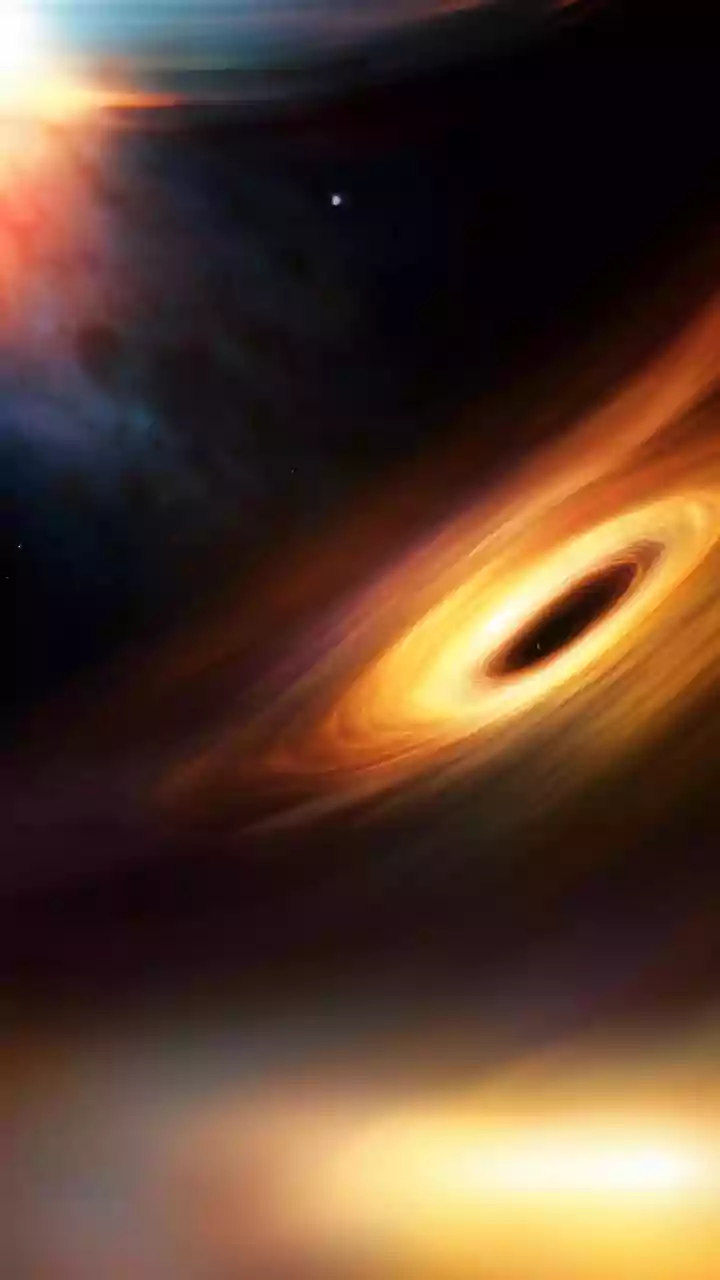
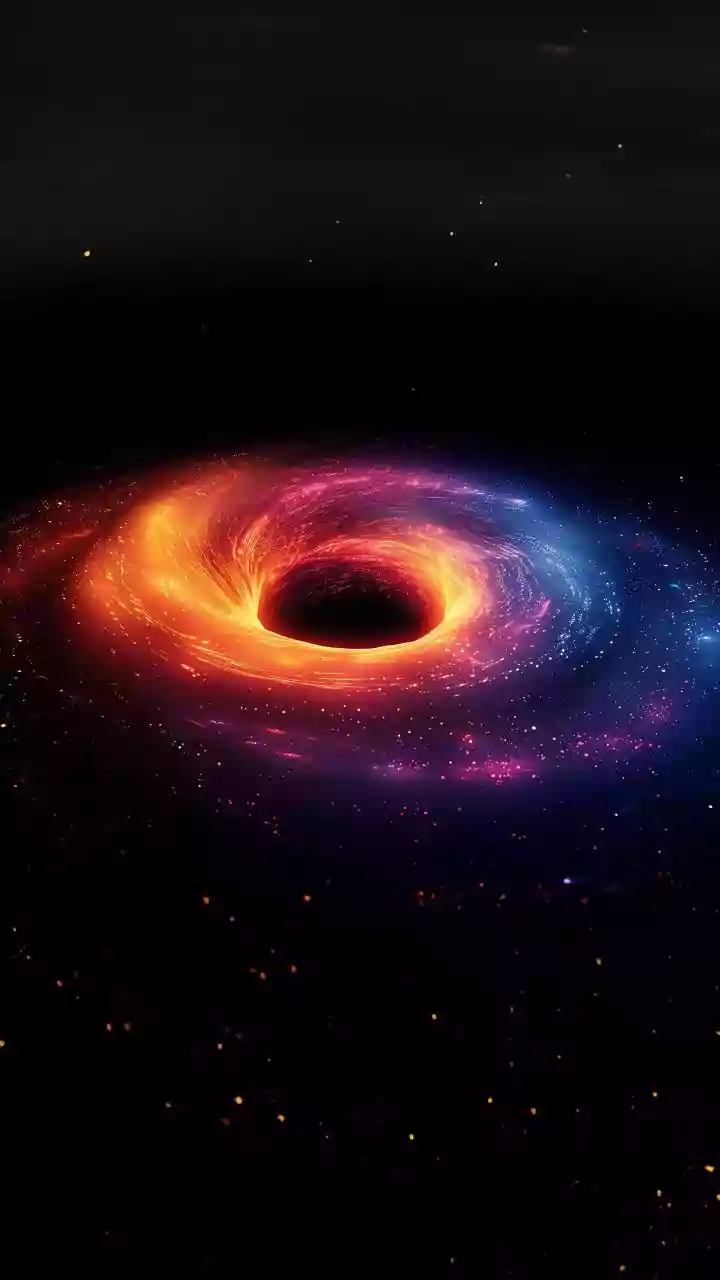
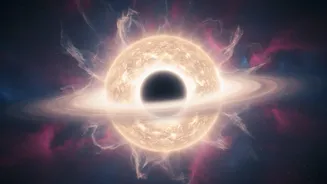
Unlike a typical star, which is powered by nuclear fusion in its core, this strange object appears to be a massive, dense cloud of gas fueled by a central black hole. Researchers believe a black hole, estimated to be about 100,000 times the mass of our sun, is rapidly consuming the surrounding gas. As the material swirls into the black hole, it heats up and releases an enormous amount of energy. This intense radiation pushes back against the gas, creating a glowing, star-like cocoon that effectively hides the black hole from direct view. In this unique setup, the accreting black hole acts as the engine, playing the role that nuclear fusion would in a conventional star.
Solving the Mystery of 'Little Red Dots'
The discovery of this black hole star may also solve a lingering astronomical mystery: the origin of numerous 'little red dots' that the JWST has been observing in the early universe. Previously, scientists had hypothesized these objects were either extremely distant galaxies or regular stars obscured by cosmic dust. However, MoM-BH-1's unique properties—shining brightly but composed almost entirely of pristine hydrogen and helium—did not fit any existing models. The black hole star theory provides a compelling explanation. These objects could represent a very early stage in the evolution of supermassive black holes, which are now found at the center of most large galaxies, including our own Milky Way.
How It Was Found
The identification of MoM-BH*-1 was made possible by the advanced capabilities of the James Webb Space Telescope, which can peer deep into the universe's past. After spotting the unusual red object, the research team, led by scientists at MIT's Kavli Institute for Astrophysics and Space Research, conducted detailed analyses of its light signature. The data revealed the object's tremendous energy and unique composition, leading them to conclude it was a new type of celestial body. The findings, published in the journal Nature, represent a significant breakthrough that was only possible thanks to the unparalleled power of the JWST to spot faint, distant objects with massive implications for our understanding of the cosmos.
Rewriting Cosmic History
This discovery challenges and refines our models of galaxy and black hole formation. These black hole stars could be a key transitional phase, representing the seeds from which the universe's first supermassive black holes grew. They provide a potential answer to how these colossal black holes could have formed so quickly and reached such immense sizes in the early universe, one of the biggest questions in astrophysics. By studying these objects, astronomers can learn more about the conditions that governed the cosmos during its infancy, a period known as the 'epoch of reionization'. It opens a new window into understanding how the first stars and galaxies were born and evolved into the structures we see today.