






The Serene Studio: A Structured Escape
The appeal of a yoga studio is undeniable. In bustling cities, it offers a predictable haven of calm. For many young professionals, it’s a space to decompress after long hours at a desk. Yoga's benefits for stress are well-documented; the combination
of physical postures (asanas), controlled breathing (pranayama), and meditation helps lower cortisol, the body's primary stress hormone. This practice promotes relaxation by activating the parasympathetic nervous system—the body's 'rest and digest' mode. Studios provide a structured environment where an instructor guides you, correcting posture and ensuring you practice safely. This is particularly valuable for beginners. Furthermore, group classes foster a sense of community, a powerful antidote to the isolation that can accompany urban life. This social connection, combined with improved flexibility and mental clarity, makes the monthly subscription feel like a worthy investment in long-term well-being.
The Call of the Wild: Nature’s Therapy
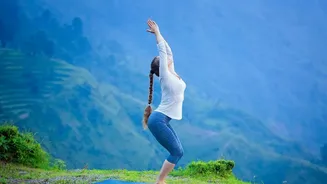
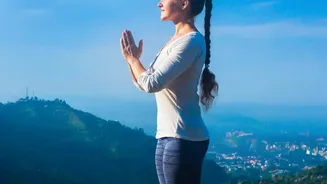
On the other side of the spectrum is hiking. Its primary draw is the profound connection with nature, which studies have shown can reduce stress, calm anxiety, and lower the risk of depression. The physical act of hiking is a cardiovascular workout that releases endorphins, the body's natural mood-lifters. Unlike the contained space of a studio, the outdoors offers expansive views and fresh air, which can improve sensory perception and provide a refreshing change of scenery. Researchers have found that time in nature helps reduce repetitive negative thoughts and promotes psychological recovery. For many, the appeal lies in its simplicity and freedom. It requires minimal gear and often, no recurring fees. It's an escape from digital overstimulation, offering a chance for solitude and quiet reflection or a bonding experience with a small group of friends.
The Financial and Time Equation
Herein lies a core part of the dilemma. Studio yoga in Indian cities represents a consistent financial commitment. Monthly group class fees can range from ₹2,000 to over ₹4,000, with private sessions costing significantly more. It's a recurring expense in a monthly budget. Hiking, on the other hand, appears more accessible financially. The activity itself is free. However, the associated costs can add up, including transportation to trailheads, proper footwear, and gear. For those living in major metropolitan areas, reaching a suitable hiking trail can mean a significant investment of time and money for travel, turning it into a weekend-only activity rather than a daily practice.
Community Versus Solitude
The social dynamics of each activity are fundamentally different. A yoga studio offers a ready-made community. You see the same faces, share a common goal for the hour, and experience a sense of collective energy. This can be incredibly motivating and comforting. Hiking can be whatever you want it to be. It can be a deeply solitary practice, offering space to process thoughts without interruption. Or, it can be a social activity, but one that requires more organization. You have to actively gather friends and coordinate plans. This choice—between an integrated community and self-directed solitude—is a significant factor for young adults navigating their social and personal needs.
The Mindful Verdict: A Question of Needs
The dilemma between yoga and hiking is less about which is 'better' and more about what a person needs at a given moment. Yoga offers structured, inward-focused mindfulness and flexibility, building a consistent, calming routine. It’s an excellent tool for managing the daily grind. Hiking provides expansive, nature-based stress relief, physical challenge, and a powerful sense of escape. It's about disconnecting to reconnect. Many find that the two practices are not mutually exclusive but complementary. Yoga can build the core strength and flexibility that improves hiking performance, while hiking provides the cardiovascular endurance that benefits a yoga practice.