

Cutting Through the Superfood Hype
Everywhere you look, a new 'superfood' promises to revolutionize your health. From expensive berries to obscure greens, the marketing is relentless, suggesting that a single ingredient can be a cure-all. However, the term 'superfood' is a marketing concept,
not a scientific one. No single food can compensate for an unbalanced diet. The foundation of good health is a varied and balanced dietary pattern, not chasing the latest, often expensive, trend. Many so-called superfoods have nutritional equivalents in more common, affordable foods. The real secret to better nutrition lies in making smart, sustainable additions to the meals you already enjoy, rather than completely overhauling your diet based on hype.
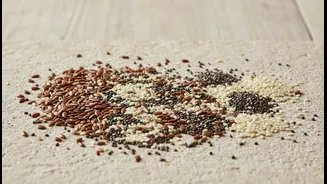
Flax Seeds: The Humble Powerhouse (Alsi/Jawas)
Flax seeds, known as Alsi or Jawas in India, have been part of our food culture long before they became a global health trend. They are one of the richest plant-based sources of omega-3 fatty acids (specifically ALA), which are crucial for heart and brain health. They are also packed with fibre and antioxidants called lignans. To get the most benefit, it's best to consume them ground, as the whole seeds can pass through the digestive system intact. Incorporating them is easy. You can add a spoonful of ground flaxseed to your chapati or paratha atta, mix it into smoothies, or sprinkle it over your morning oatmeal. A popular Maharashtrian preparation is Jawas chutney, a dry, spicy powder that pairs wonderfully with bhakri or rice. This makes it simple to get a nutritional boost without altering the taste of your favourite dishes.
Chia Seeds: The Modern Multitasker
While not as traditionally rooted in Indian cuisine as flax or sesame, chia seeds have proven to be incredibly versatile. These tiny seeds are nutritional dynamos, loaded with fibre, protein, and calcium. One of their most unique properties is their ability to absorb liquid and form a gel, which can aid in hydration and promote a feeling of fullness. This makes them a natural fit for many Indian dishes. You can stir soaked chia seeds into curd or raita for a protein boost, blend them into chutneys to act as a natural thickener, or add them to beverages like nimbu pani or even falooda. Some have even experimented with adding them to traditional recipes like butter chicken to thicken the sauce while adding nutrients. A simple mango chia pudding, flavoured with cardamom, can be a healthy and delicious dessert reminiscent of kheer.
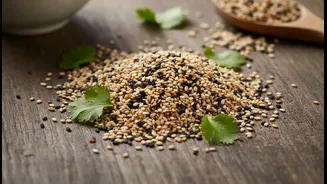
Sesame Seeds: The Timeless Classic (Til)
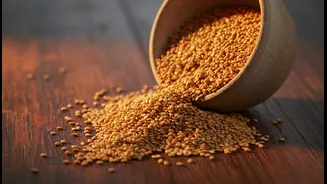
Sesame seeds, or 'til', need no introduction in an Indian kitchen. They are a cornerstone of our culinary heritage, used in everything from festive sweets to savoury gravies. Til is an excellent source of calcium, magnesium, and healthy fats. During winter, sesame is celebrated in treats like Til ke Laddu and Gajak or Chikki, which provide warmth and energy. But its use extends far beyond sweets. In South India, sesame is used to make Ellu Sadam (sesame rice) and fragrant gravies like Ellu Kozhambu. It’s also a key component in tempering (tadka) and is sprinkled on breads like kulchas. By enjoying these traditional preparations, you are already tapping into the benefits of this wonderful seed. It’s a reminder that good nutrition is often embedded in our own culinary traditions.