






What Exactly Are Polymer Banknotes?
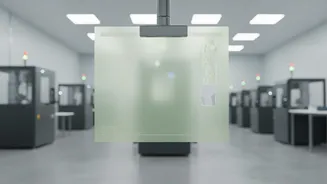
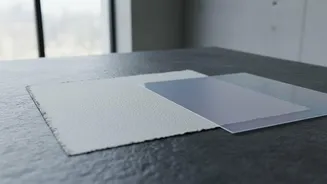
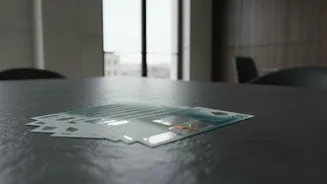
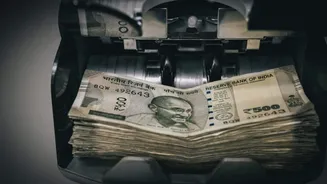
Polymer banknotes, often called 'plastic' notes, are crafted from a synthetic polymer such as Biaxially Oriented Polypropylene (BOPP). Unlike traditional Indian currency, which is made from a cotton-based paper, these notes are non-porous and have a distinctively
smooth, waxy feel. This material makes them waterproof, more resistant to dirt and grime, and significantly harder to tear. They can also incorporate advanced security features, like transparent windows and metallic holograms, that are difficult to replicate, offering a robust defence against counterfeiting.
The Rationale Behind the Trial
The primary driver for this move is durability. According to the Reserve Bank of India (RBI), international experience shows that polymer notes can last about 2.5 times longer than their paper counterparts. For a cash-intensive economy like India, this extended lifespan could translate into significant long-term savings on printing and replacement costs. Lower denomination notes like ₹10 and ₹20, which change hands frequently, wear out quickly. The trial aims to see if polymer versions of these notes can withstand the rigours of daily use across India's diverse climate. Enhanced security is another major benefit, as the complex features of polymer notes make them much harder to fake.
How the Indian Pilot Will Unfold
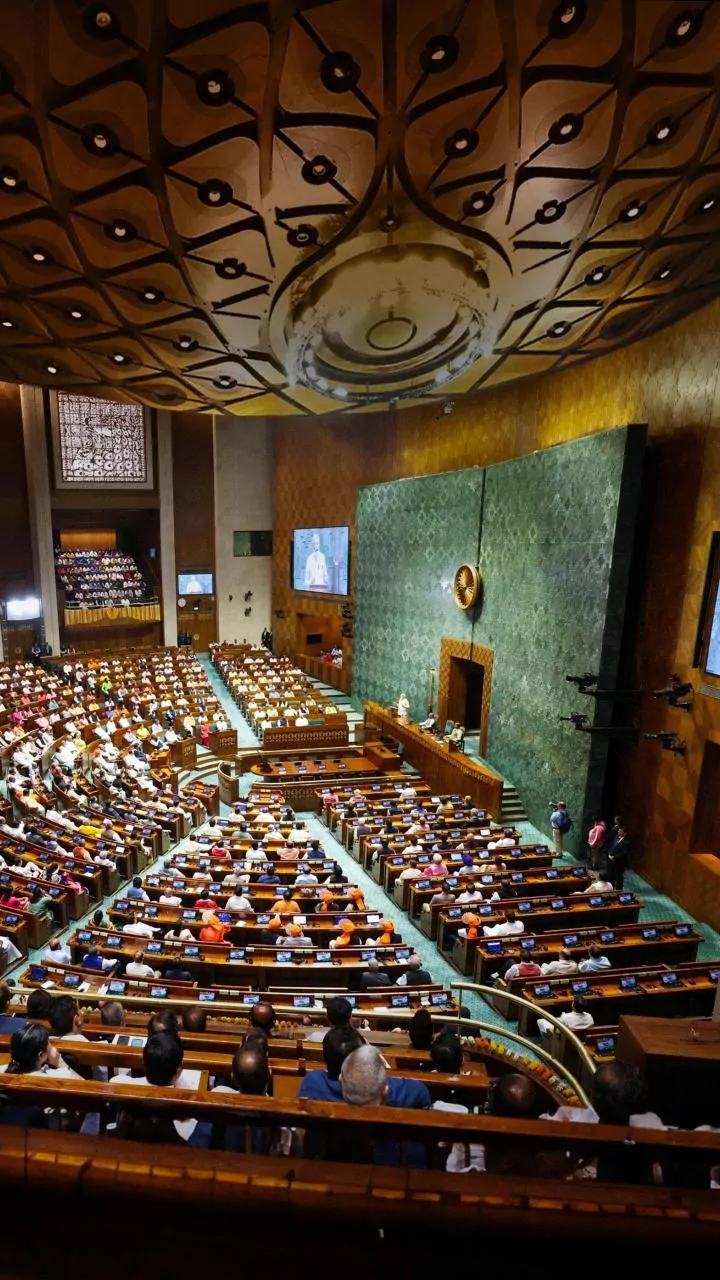
The government has given the green light for the RBI to conduct a field trial involving one billion pieces each of ₹10 and ₹20 polymer banknotes. This confirmation came from Minister of State for Finance, Pankaj Chaudhary, in a parliamentary session. The RBI's currency-printing subsidiary has already floated a global tender for the specialised polymer sheets required for printing. While previous proposals in 2012-14 had identified cities like Kochi, Mysore, Jaipur, Shimla, and Bhubaneswar for trials based on their varied climates, the specific locations for this new pilot have not yet been announced. The central bank will evaluate the performance of these notes before considering any wider rollout.
A Global Trend, Not a Leap in the Dark
India is not the first nation to explore this technology. Australia was the pioneer, introducing polymer currency back in 1988 and converting completely by 1996. Since then, dozens of countries have followed suit, either fully or partially. Nations like Canada, the United Kingdom, New Zealand, and Vietnam now use polymer notes extensively. This global track record provides the RBI with a wealth of data on the benefits and challenges, from public acceptance to the necessary upgrades for ATMs and cash-counting machines. This cautious, trial-based approach allows India to learn from international experience while testing the notes in its unique environment.
Paper Notes Are Here to Stay
Officials have been clear on one critical point: this trial does not signal the end of paper money. The government has explicitly stated there is no plan to phase out existing banknotes. During the pilot phase, the new polymer notes will circulate alongside their paper counterparts. This approach ensures a smooth and gradual process, allowing the public and the banking system to adapt without any disruption. The primary goal is to assess performance, not to force a sudden change. For the foreseeable future, both paper and polymer notes will be legal tender, giving consumers and businesses time to get accustomed to the new currency if and when a broader rollout is approved.