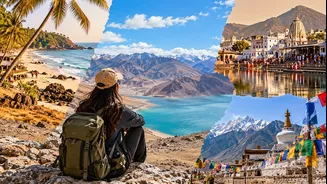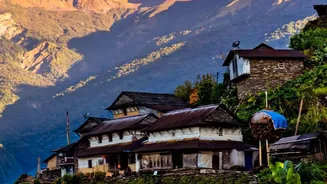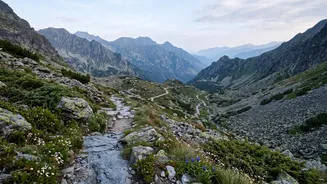






Tired of crowded tourist spots and predictable itineraries? You're not alone. A major new finding from Agoda reveals a massive shift in travel preferences, with more than half of Indian travellers looking to trade popular hubs for the road less traveled.
The Big Shift: Hidden Gems Over Hotspots
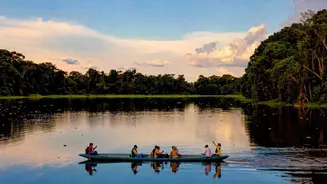
For years, Indian travel wish lists were dominated by familiar names. But a change is underway. According to the '2027 Asia Travel Pulse' report by digital travel platform Agoda, a staggering 55% of Indian travellers plan to visit a lesser-known, or 'offbeat', destination in 2027. This figure is significantly higher than the Asian average of 36%, positioning Indians as the most likely adventurers in the region to seek out new frontiers. This isn't just about avoiding crowds; it's a deliberate move towards more meaningful experiences, as travellers intentionally seek out unique cultural encounters and authentic local flavour away from the mainstream tourist trail.
Why the Great Outdoors Is Calling
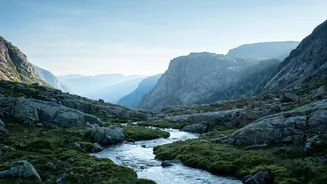
So, what are people looking for in these offbeat places? The answer, overwhelmingly, is nature. Agoda's report found that outdoor adventure is a primary motivation for 42% of Indian travellers, placing India among the top countries in Asia for adventure-led trips. This trend has been building, with search data from earlier this year showing a massive spike in interest for mountain destinations like Leh, Kasol, and McLeod Ganj. The appeal lies in trading city noise for serene landscapes, digital overload for a chance to disconnect, and passive sightseeing for active experiences like trekking, camping, and water sports. This turn towards nature is a core part of the desire for more intentional and restorative holidays.
A Deeper, More Intentional Way to Travel
The move toward offbeat and outdoor travel signals a deeper shift in the Indian traveler's mindset. According to Gaurav Malik, Agoda’s Country Director, Indians are becoming 'more intentional' about how they explore the world. It's no longer just about getting away, but about what you get out of the trip. This includes a growing interest in spiritual journeys, with 14% of Indian travellers citing it as a key motivation—more than three times the Asian average. Destinations like Pushkar and Dharamshala, which offer both spiritual solace and access to nature, have seen huge jumps in interest. This blend of adventure, purpose, and cultural immersion defines the new era of Indian travel.
The Adventure Market Is Booming
This change in preference is not just a feeling; it's backed by significant economic forecasts. The adventure tourism market in India, valued at over USD 19 billion in 2025, is projected to grow at a compound annual growth rate of over 17%, potentially reaching more than USD 88 billion by 2034. This explosive growth is driven by rising disposable incomes and a strong desire among millennials and Gen Z for experience-led travel over simple sightseeing. Land-based activities like trekking and hiking currently dominate the market, but there is also rapid growth in air-based adventures like paragliding and skydiving, indicating a broad and expanding appetite for thrilling experiences.
Planning Your Own Offbeat Adventure
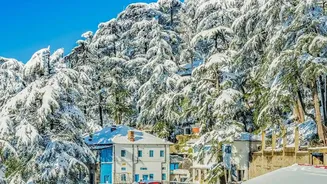
Embracing this trend means thinking beyond the usual suspects. Instead of Goa, consider the quieter beaches of Gokarna. Instead of Shimla, explore the meadows of Ziro in Arunachal Pradesh. Instead of a quick trip to Manali, plan a longer journey through the rugged, breathtaking landscapes of Spiti Valley. The report also notes that Indian travellers are opting for longer trips, with about a quarter planning holidays of 8 to 12 days to fully immerse themselves in a destination. As you plan for 2027, look for places that offer a genuine connection to nature and culture, promising unique memories far from the madding crowds.