
Ærøskøbing, Denmark: A Fairytale of Hygge
Often called the 'Fairytale Town', Ærøskøbing on the island of Ærø is perhaps Denmark's best-preserved 18th-century town. With its narrow cobblestone lanes, hollyhock-lined streets, and brightly coloured, perfectly maintained houses, this is the physical
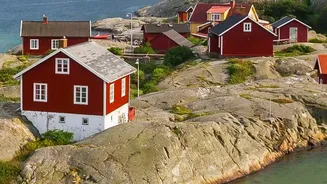
embodiment of 'hygge'—the Danish concept of cosiness and contentment. Unlike a museum, Ærøskøbing is a living community. You can feel the town's slow, deliberate pace as you wander past its historic buildings, some of which are over 750 years old. The culture here is one of quiet appreciation for simple pleasures: enjoying a coffee near the harbour, cycling through gentle hills, or simply admiring the intricate details on doors last painted in the 1700s. It offers a genuine glimpse into a cherished Danish lifestyle, where history and modern life coexist beautifully.
Porvoo, Finland: A Postcard from the Past
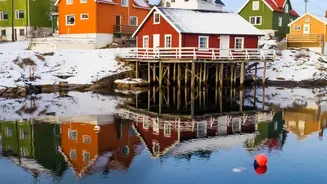
Just a short journey from Helsinki, Porvoo feels like stepping into another era. It is Finland's second-oldest city, renowned for its iconic red-ochre riverside warehouses and a medieval Old Town filled with winding cobbled streets and colourful wooden houses. This national landscape is not just for show; it houses a vibrant community of artisans, chocolatiers, and restaurateurs. Exploring Old Porvoo is an experience for the senses, from the smells of the Brunberg candy shop to the historic atmosphere of the 15th-century Porvoo Cathedral. The town is a testament to Finnish resilience, having survived numerous fires to maintain its historic charm. It offers a tangible connection to Finland’s past as an important trading hub while celebrating a modern culture of creativity and high-quality cuisine.
Visby, Sweden: A Medieval Walled Wonder
Located on the island of Gotland, Visby is a UNESCO World Heritage site and arguably the best-preserved medieval city in Scandinavia. The town is encircled by a remarkable 3.4 km long defensive wall from the 13th century, which encloses a labyrinth of cobblestone streets, church ruins, and historic houses. Walking through Visby is a journey back in time, offering a powerful sense of its history as a dominant Hanseatic trading town. The city’s culture is deeply tied to its history, which is celebrated with festivals and visible in its many architectural gems. Beyond the history, Visby is a living town with a botanical garden, local handicraft shops, and restaurants serving Gotlandic specialities like saffron pancakes. It’s a place where you can feel the weight of centuries while enjoying the vibrant life of a modern Swedish island community.
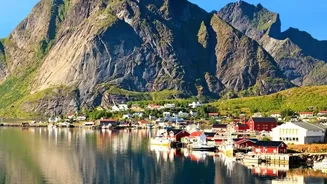
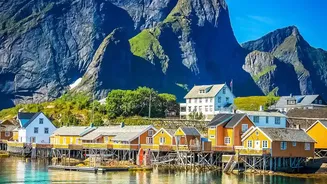
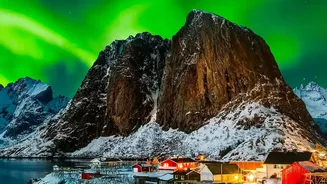
Reine, Norway: Embracing 'Friluftsliv'
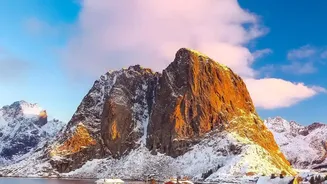
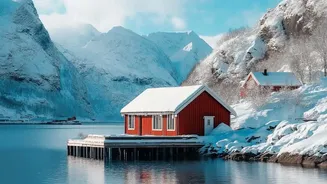
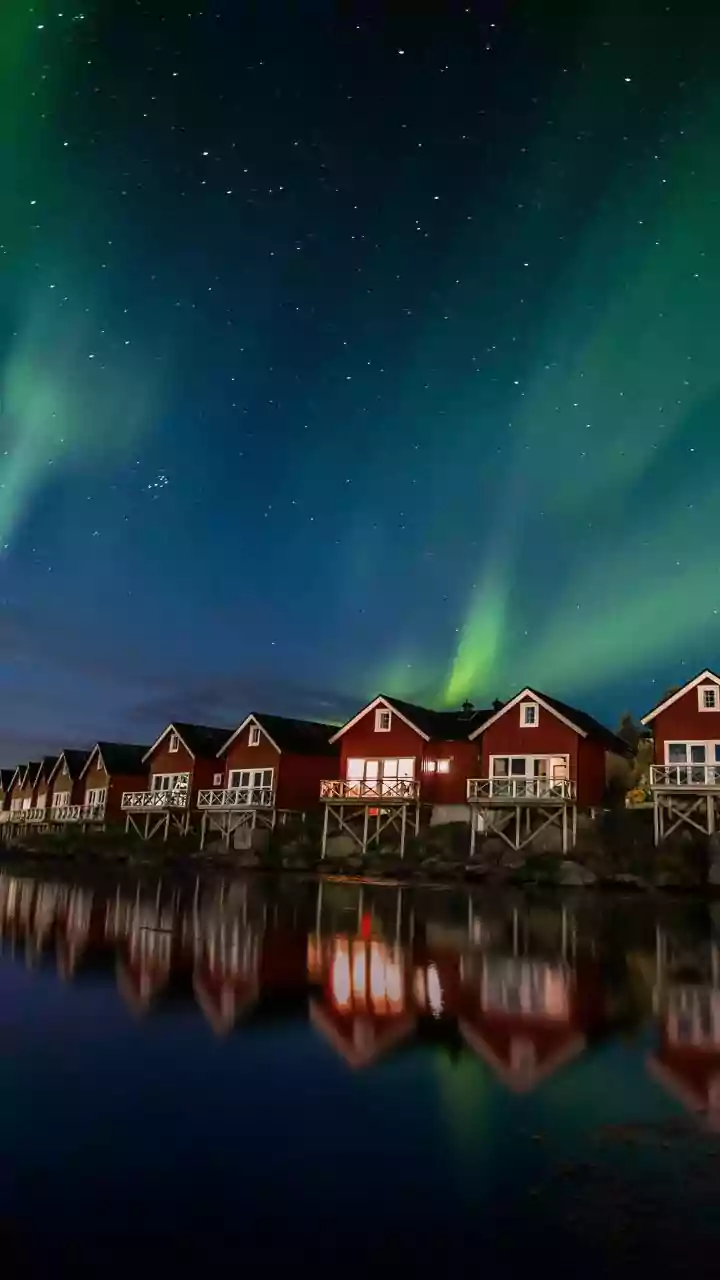
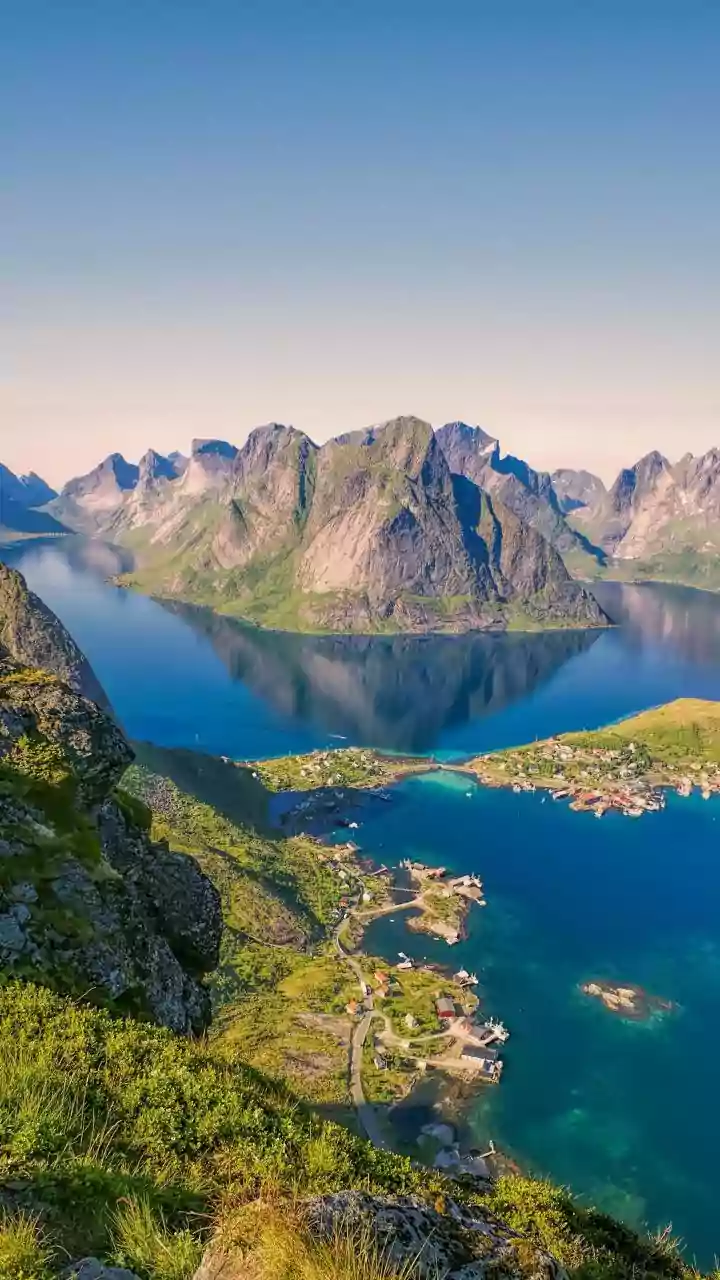
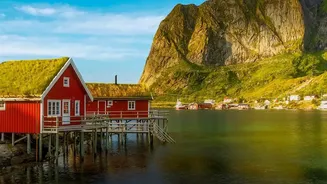
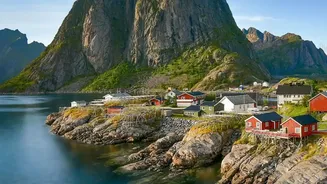
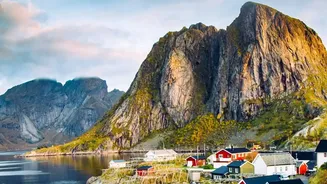
For a taste of raw, breathtaking nature and the Norwegian philosophy of 'friluftsliv' (open-air living), there is no place like Reine. This tiny fishing village is set against a dramatic backdrop of sharp, granite peaks that plunge directly into the sea in the Lofoten archipelago. The culture here is defined by its relationship with the outdoors. Traditional red 'rorbuer' (fishermen's cabins) line the shore, many now available for visitors to stay in, offering an authentic connection to the village’s heritage. The main activities revolve around nature, from kayaking in the serene Reinefjord to hiking the famous Reinebringen trail for panoramic views. Reine also has a cultural side, with art galleries showcasing works inspired by the unique Arctic light and landscape. It’s a destination that beautifully illustrates how deeply Norwegian culture is intertwined with its stunning natural environment.
Seyðisfjörður, Iceland: Art in a Fjord
Tucked away in a remote fjord in East Iceland, Seyðisfjörður is a testament to the country's famously creative and resilient spirit. With only around 700 residents, this small town has an outsized artistic influence, attracting creatives from around the world. The town is known for its colourful wooden buildings and the iconic rainbow-painted street leading to its pale blue church. This community project symbolises the town’s inclusive and vibrant culture. Art is everywhere, from the Skaftfell Center for Visual Art to the Tvisongur sound sculpture, and the town hosts an annual art festival. Surrounded on all sides by mountains and waterfalls, Seyðisfjörður’s culture is one of making beautiful things in a beautiful, isolated place, offering a truly unique Icelandic experience away from the main tourist trails.