









In our fast-paced world, it's easy to feel pressured into planning big, elaborate events to create family memories. But what if the secret to stronger bonds lies in the small, quiet moments that happen every day, without any grand plans at all?
The Unexpected Power of Simple Routines
The idea
that quality family time requires expensive holidays or perfectly orchestrated parties is a modern myth. In reality, the most profound connections are often forged in the simple, repeated actions of daily life. Psychologists and family experts suggest that consistent routines and rituals provide a sense of stability, security, and belonging that children, in particular, thrive on. These predictable moments, whether it’s a shared meal or a specific bedtime story, act as anchors in the chaos of daily schedules. They create a safe emotional space where family members can connect without the pressure of a major event. Research indicates that the consistency of these small habits is what builds a lasting impact, creating a foundation of trust and love.
More Than a Meal: The Dinner Table Connection
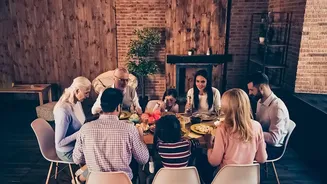
Of all the simple traditions, the shared family meal is perhaps the most studied and celebrated for its benefits. Research consistently shows that families who eat together regularly experience a wealth of positive outcomes. For children and adolescents, frequent family meals are associated with better academic performance, higher self-esteem, and greater resilience. These gatherings are natural opportunities for conversation, allowing parents and children to check in, share stories, and discuss their days. This simple act of coming together over food fosters communication, strengthens family bonds, and is even linked to better nutritional habits for the entire family. The key is not the complexity of the meal, but the act of setting aside time to connect without distractions like screens.
Why Small Traditions Create Big Memories
Family traditions are the unique threads that weave your family’s story. They don't have to be elaborate; in fact, the most powerful ones are often the simplest. Think of a weekly game night, a special handshake, or a Sunday morning walk. These rituals are emotionally meaningful because they are repeated over time, conveying a powerful message: “This is who we are as a family.” They help pass down values, create a shared history, and give every member a sense of identity and belonging. Studies show that children who grow up with meaningful family rituals tend to be more resilient and better equipped to handle stress and adversity because these traditions provide a comforting sense of normalcy and stability.
The Crucial Role of One-to-One Time
While group activities are essential for creating a sense of unity, true family bonding is incomplete without dedicated one-to-one time. Each child in a family is unique, and individual time allows a parent to connect with them on a deeper level, tailored to their specific personality and needs. This undivided attention makes a child feel seen, valued, and secure in their relationship with a parent. Experts note that even ten or fifteen minutes of focused, distraction-free time can significantly strengthen the parent-child bond. This kind of personal connection creates a safe space for children to share thoughts, fears, and feelings they might not express in a group setting, which can also help reduce attention-seeking behaviors. It's about quality over quantity—letting your child know, unequivocally, that they have your full attention.