







What The Legislation Proposes
Across the United States, a growing number of states are considering or have already passed legislation to temporarily halt the approval and construction of large, energy-hungry facilities, particularly data centers. For instance, New York's legislature
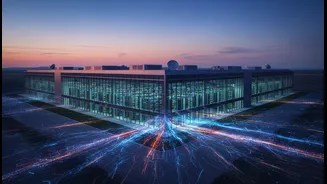
passed a bill for a one-year moratorium on new data centers consuming 20 megawatts (MW) or more. The state's governor also issued a separate executive order pausing permits for even larger facilities using 50 MW or more. Similar bills have been introduced in at least 15 other states, including Maine, Michigan, and Pennsylvania, with varying thresholds and moratorium lengths. The core idea is to create a time-out, allowing regulators and utility providers to study the immense impact these facilities have on the power grid, local environment, and utility bills before green-lighting more projects. The 20 MW threshold is significant because it targets the modern, large-scale data centers that power AI and cloud computing, which can have the energy footprint of a small city.
The Driving Force: Grid Strain and Rising Costs
The primary motivation behind these bills is the unprecedented strain data centers place on electrical grids. The surge in AI has fueled a historic boom in data center construction, with some individual facilities now being designed to consume massive amounts of power. Utilities are reportedly receiving interconnection requests totaling hundreds of gigawatts, threatening to overwhelm existing infrastructure. This surge in demand has tangible consequences for everyday consumers. In some regions with high concentrations of data centers, residential electricity prices have spiked as utilities scramble to build new power plants—often natural gas or even propped-up coal plants—and upgrade transmission lines to meet the demand. Experts estimate that data center growth could lead to significant increases in the average U.S. electricity bill by 2030. Proponents of the moratoriums argue that a pause is essential to develop a sustainable plan that ensures the public doesn't shoulder the financial and environmental costs of this industry's rapid expansion.
The Industry's Economic Pushback
Opponents of these pauses, primarily tech industry groups and some economic development officials, argue that they are short-sighted and will stifle innovation and economic growth. Data centers represent a massive capital investment, with a single campus often costing over a billion dollars to build. This construction phase creates thousands of temporary but well-paying jobs for local trades. The industry also points to the permanent jobs created for technicians, engineers, and security staff. Beyond direct employment, they generate substantial tax revenue for local governments, which can fund schools, emergency services, and other community resources. Tech advocates warn that imposing moratoriums sends a hostile signal to a globally competitive industry, potentially driving investment to other states or countries that are more welcoming. They argue that the focus should be on collaboration to upgrade the grid and invest in energy-efficient technologies, not on halting progress.
Relevance for India: A Glimpse of the Future?
While these legislative battles are currently centered in the U.S., they offer a crucial glimpse into a future that India is rapidly approaching. India is in the midst of its own massive data center boom, with capacity projected to triple by 2030, attracting billions in investment. This growth is fueled by data localization policies, the 5G rollout, and a booming digital economy. However, India faces similar, if not more acute, challenges. Key data center hubs like Mumbai and Chennai are already facing grid constraints and water stress. By 2030, data centers in Mumbai alone could consume a third of the city's electricity. As India balances its ambitions to become a global data hub with its clean energy goals, the debate over how to manage the industry's immense power needs will become increasingly urgent. The trend of operators exploring behind-the-meter power solutions and renewable energy contracts in India shows the industry is already grappling with these impending constraints.