





The Numbers Are In: Air Quality Worsens
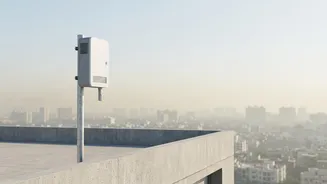
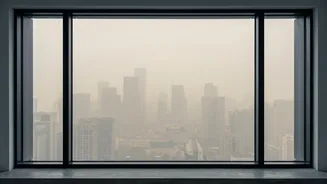
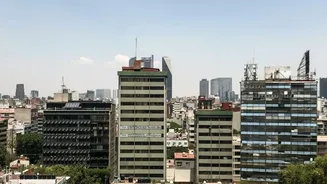
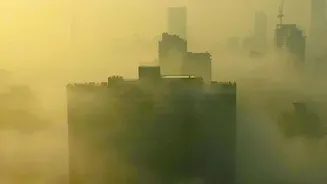
After a September with relatively clean air, the first week of October has seen a steady decline in air quality across the National Capital Region. Data from the Central Pollution Control Board (CPCB) shows the Air Quality Index (AQI) has consistently
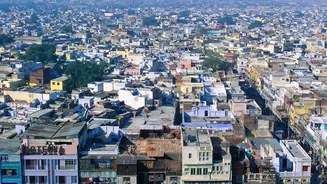
stayed in the 'moderate' category, with several monitoring stations frequently tipping into the 'poor' zone. The average AQI for the first week of October 2026 was 171, making it the most polluted start to the month in three years. On some days, areas like Mundka, Narela, and Dwarka have recorded 'poor' to 'very poor' air, signalling the official start of the pollution season.
A Perfect Storm of Calm and Cool
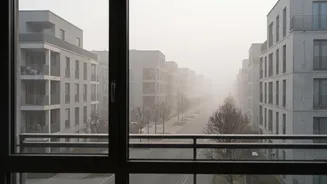
The primary reason for this sharp deterioration is a change in meteorological conditions. The withdrawal of the monsoon means the rain that washed away pollutants is gone. It also marks a significant drop in wind speed. Slower winds, often falling below 10 km/h, are unable to disperse the pollutants generated in and around the city. Furthermore, as temperatures begin to drop, especially during early mornings and late evenings, a phenomenon known as temperature inversion occurs. A layer of cool air gets trapped near the ground by a layer of warmer air above it, acting like a lid and preventing pollutants from rising and scattering. This 'vertical trapping' is a key factor in the build-up of smog.
The Double Trouble: Farm Fires and Local Emissions
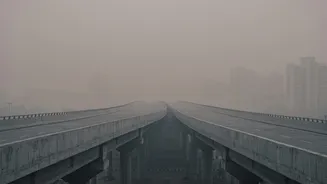
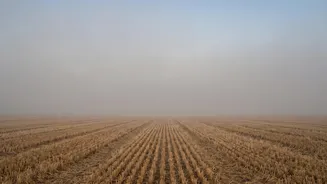
Weather conditions set the stage, but the pollution itself comes from multiple sources. This time of year sees the beginning of stubble burning in the neighbouring states of Punjab and Haryana. As farmers clear their fields for the next crop, large plumes of smoke are carried towards Delhi by north-westerly winds, significantly increasing the concentration of dangerous PM2.5 particles in the air. This external pollution is compounded by Delhi's own local emission sources, which remain a problem year-round. These include constant vehicular traffic, industrial emissions, and dust from construction sites. Together, these factors create a toxic cocktail that chokes the region.
Enter GRAP: The Official Response
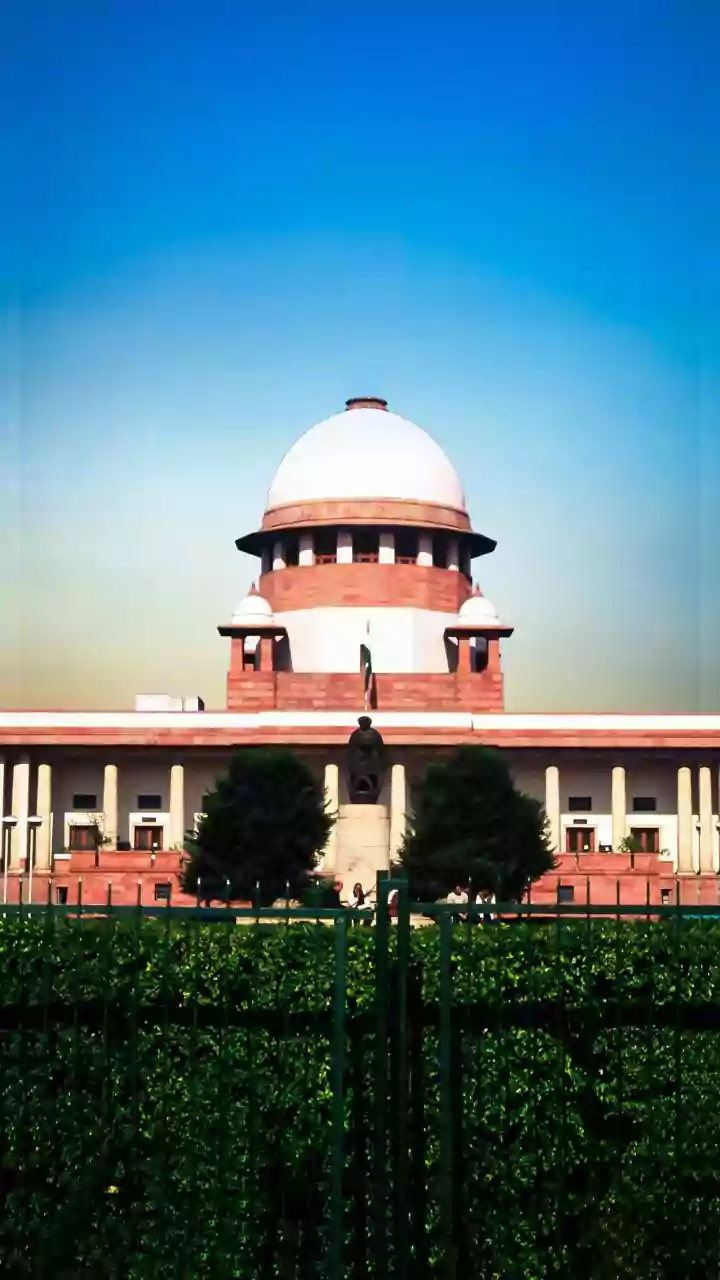
To combat the annual crisis, authorities implement the Graded Response Action Plan (GRAP). This is a set of emergency measures that are enforced based on the severity of the air quality. The Commission for Air Quality Management (CAQM) has already activated Stage 1 of the revised GRAP, which is triggered when the AQI enters the 'poor' category (201-300). Measures under this stage include stopping construction and demolition activities at specific sites and enforcing strict rules against open waste burning. As the AQI worsens, more stringent measures are rolled out, such as restrictions on certain types of vehicles, a ban on non-essential construction, and potentially, work-from-home advisories. For instance, under Stage III, BS-III petrol and BS-IV diesel four-wheelers face strict plying restrictions in Delhi and several NCR districts.
Protecting Your Health from the Haze
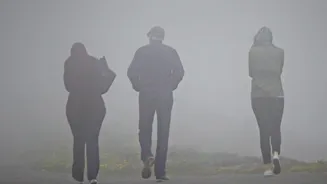
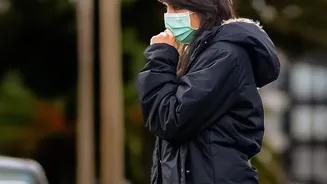
The deteriorating air quality poses significant health risks, particularly for children, the elderly, and people with pre-existing respiratory or cardiovascular conditions. Fine particulate matter like PM2.5 can penetrate deep into the lungs, causing irritation, coughing, and breathlessness, and can aggravate conditions like asthma and heart disease. During periods of high pollution, experts advise limiting outdoor activities, especially strenuous exercise. It is also recommended to wear a high-quality N95 mask when stepping outside. Using air purifiers at home can help improve indoor air quality. Staying hydrated and monitoring AQI levels through official apps can help you make informed decisions to protect your health.