






The Science Behind the Smog
Every year, as temperatures drop, a phenomenon known as temperature inversion occurs. Normally, warm air near the ground rises, taking pollutants with it. In winter, however, a layer of warm air traps cooler, denser air at the surface, acting like a lid.
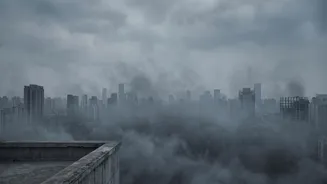
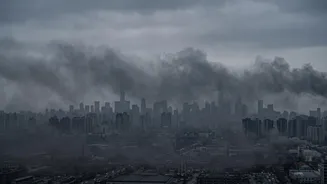
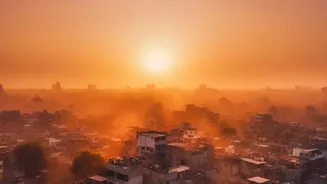
This atmospheric trap, combined with low wind speeds, prevents pollutants from dispersing. Emissions from vehicles, industry, construction dust, and smoke from stubble burning in neighbouring states get locked in, creating the thick, toxic smog that defines the region's winter. This combination of factors transforms the air into a hazardous mixture, with fine particulate matter like PM2.5 becoming a major health concern.
What It Does to Your Body
The effects of this pollution are not just theoretical; they are felt physically across the population. The most immediate symptoms include a persistent cough, sore or scratchy throat, burning eyes, and headaches. For many, it leads to increased breathlessness and chest tightness. These pollutants inflame the airways, making the body more susceptible to respiratory infections and aggravating existing conditions. Doctors report a significant rise in patients with flare-ups of asthma, bronchitis, and Chronic Obstructive Pulmonary Disease (COPD) during this season. The fine PM2.5 particles are particularly dangerous as they can penetrate deep into the lungs and even enter the bloodstream, posing long-term risks to cardiovascular health.
Who Is Most at Risk?
While everyone is affected, some groups are far more vulnerable to the severe impacts of air pollution. Children are particularly susceptible because their lungs are still developing, and they breathe more air relative to their body weight. The elderly, whose lung function may naturally be in decline, are also at high risk. Pregnant women and their unborn babies face significant risks, as pollution can affect fetal development. Additionally, anyone with pre-existing respiratory conditions like asthma or heart problems will find their symptoms worsen dramatically during periods of high pollution. Outdoor workers, who have no choice but to be exposed for long hours, also bear a heavy health burden.
Your Guide to Breathing Safer
While you can't control the weather, you can take steps to reduce your personal exposure. First, monitor the Air Quality Index (AQI) daily. On days when the AQI is 'Poor' or worse, limit outdoor activities, especially strenuous exercise like running. When you must go out, wear a well-fitting N95 or N99 mask, as simple cloth or surgical masks offer little protection against fine particles. At home, keep windows and doors closed during peak pollution hours. Investing in an air purifier with a HEPA filter for your bedroom and other frequently used rooms can significantly improve indoor air quality. Avoid burning incense or candles, which add to indoor pollution. Finally, using exhaust fans while cooking helps remove fumes.
Strengthening Your Defenses
Beyond physical barriers, certain lifestyle choices can help bolster your body's resilience. Staying well-hydrated is important for overall health and can help your respiratory system function better. A diet rich in antioxidants—found in fruits, vegetables, and nuts—can help combat the oxidative stress caused by pollutants. While these measures are helpful, they are not a substitute for avoiding exposure. For those in vulnerable groups, it is crucial to have an action plan for high-pollution days, which includes having necessary medications like inhalers readily accessible. If you experience persistent coughing, wheezing, or difficulty breathing, it is important to consult a doctor without delay.