






The Automakers and Their Plans
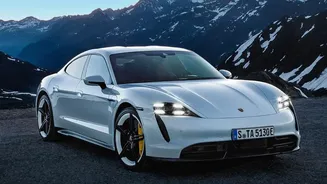
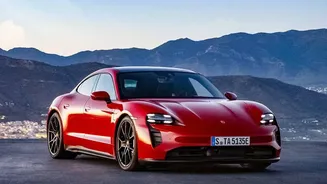
Recent announcements from Germany’s automotive giants have confirmed a period of intense restructuring. Volkswagen Group, including its Porsche brand, and rival BMW are set to reduce their workforce by tens of thousands of positions. Volkswagen is reportedly
aiming to cut as many as 100,000 jobs globally as part of a massive cost-saving program designed to navigate a severe downturn in profits and a slump in its crucial Chinese market. Similarly, BMW has reached an agreement to offer buyouts to cut around 8,000 jobs, with a focus on its German operations. These are not mass layoffs in the traditional sense. The companies are relying on voluntary methods, such as severance agreements, early retirement schemes, and natural attrition to achieve these numbers. This approach is part of a broader strategy to make the companies leaner and more competitive without resorting to forced redundancies, which would face stiff opposition from Germany's powerful unions.
The Production Line Firewall
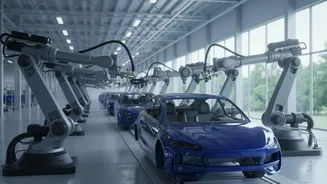
The most telling detail in these restructuring plans is who is being excluded. The severance offers are almost exclusively aimed at employees in administrative, research, development, and other corporate functions. Factory floor workers are not eligible for these voluntary exit packages. This creates a clear firewall around the production lines, signaling that the automakers’ immediate priority is to maintain manufacturing capacity and output. The rationale is clear: while overhead and administrative costs are seen as areas for efficiency gains, the ability to build cars remains the core of the business. Carmakers are trying to cut costs without compromising their ability to produce vehicles, especially as they invest billions into the complex transition to electric vehicles (EVs). Protecting production staff ensures that assembly lines can continue to run, new EV models can be launched, and customer orders can be fulfilled, even as the corporate structure around them shrinks.
A Strategy Forged by Crisis
These drastic measures are not happening in a vacuum. German automakers are facing a perfect storm of challenges that threaten their long-held dominance. Intensifying competition from agile and cost-effective Chinese EV manufacturers like BYD is eroding market share, particularly in China, which was once a stronghold for brands like Volkswagen. At the same time, high energy and labor costs in Germany, coupled with the lingering effects of US tariffs, have squeezed profit margins. Volkswagen's CEO, Oliver Blume, has described the current environment as extremely challenging, citing geopolitical crises and volatile markets. The company’s operating profit has fallen steeply, prompting what Blume called the “most comprehensive realignment in the company's history” to cut billions in costs. The job cuts are a direct response to this pressure, aimed at reducing overheads that are estimated to be 20% above competitors.
The Human and Economic Impact
For the tens of thousands of employees in administrative roles, these offers present a difficult choice. While the packages are voluntary, they signal a fundamental shift in the long-term career stability once associated with Germany's flagship industry. The focus on non-production roles also redraws the map of what skills are considered essential for the future. For Germany, the implications are profound. The auto industry is a cornerstone of its economy, and a leaner Volkswagen and BMW will have ripple effects across the supply chain and related service industries. Labor unions, such as IG Metall, have secured agreements that rule out compulsory redundancies and plant closures for now, framing these deals as the best possible outcome under immense pressure. However, the sheer scale of the planned workforce reduction, even if voluntary, represents a significant downsizing of one of the country's most important employers and a stark indicator of the immense transformation reshaping global manufacturing.