


Understanding Abdominal Endurance
Before comparing workouts, it's crucial to define our goal: abdominal endurance. This isn't just about the strength to lift a heavy weight once, but the ability of your core muscles to work for an extended period. Think of it as the stamina of your midsection,
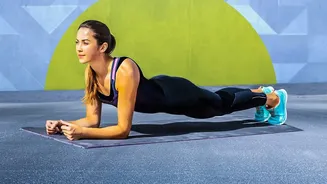
enabling you to maintain good posture throughout a long workday, hold a plank, or perform many repetitions of an exercise without your form breaking down. While core strength is about generating force, endurance is about sustaining it. This distinction is vital because a strong-looking core might still lack the endurance to prevent back pain or stabilize the spine during daily activities.
The Pilates Method: Slow and Steady Wins the Race
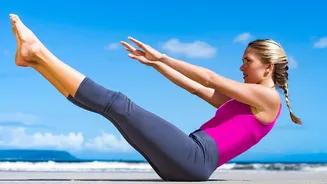
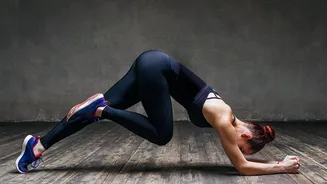
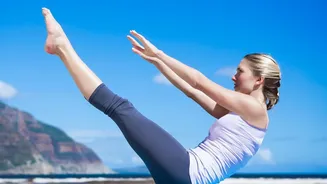
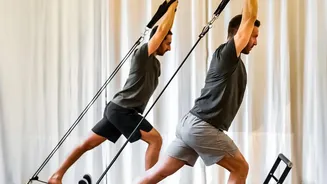
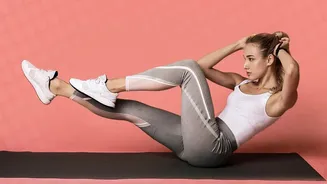
Pilates is a low-impact exercise system that emphasizes control, precision, and conscious breathing. Its approach to core endurance is methodical and deep. The practice focuses on activating and strengthening the entire core musculature, including the deep stabilizing muscles like the transverse abdominis and multifidus, which act like a natural corset for your spine. Exercises are performed with deliberate, controlled movements, forcing the core to remain engaged throughout. This continuous time under tension builds exceptional stability and the ability to hold contractions, which is the essence of muscular endurance. By coordinating breath with movement, Pilates also trains the diaphragm, further enhancing core stability and endurance.
High-Intensity Circuit Training: Fast, Furious, and Functional
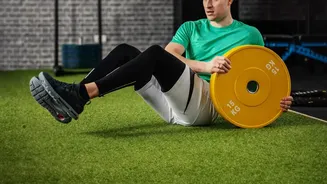
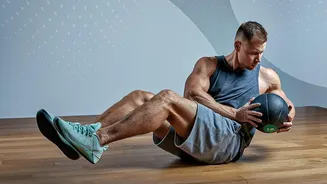
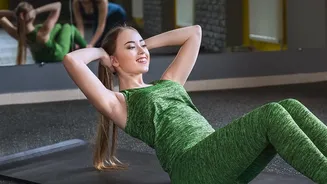
High-Intensity Circuit Training (HICT) involves performing a series of different exercises in quick succession with minimal rest. This method often combines strength training with explosive cardio movements. Rather than isolating core muscles, HICT engages them dynamically as stabilizers for full-body exercises like burpees, kettlebell swings, and sprints. During these intense bursts of activity, your core works overtime to transfer power, resist rotation, and maintain balance. This trains your abs to fire quickly and powerfully over and over again, building a type of endurance suited for high-energy sports and activities. The short, intense work periods followed by brief recovery challenge your muscles' ability to handle metabolic stress, which can boost overall stamina.
The Endurance Verdict: Two Paths to a Stronger Core
So, which is better for abdominal endurance? The answer depends on the type of endurance you seek. Pilates excels at building foundational, stabilizing endurance. It teaches your core muscles to stay 'switched on' for long durations in a controlled manner, which is invaluable for posture, injury prevention, and mind-body awareness. This makes it ideal for building a solid base of core function. HICT, on the other hand, builds dynamic endurance. It prepares your core for the explosive, reactive demands of sports and high-intensity activities. While both improve endurance, Pilates focuses on sustained holds and control, whereas HICT focuses on repeated, powerful contractions.
Considering the Broader Benefits
Your decision may also be swayed by the secondary benefits of each discipline. Pilates is renowned for improving flexibility, enhancing posture, and being gentle on the joints, making it a safe choice for many, including those in rehabilitation. HICT is a time-efficient powerhouse for cardiovascular health and calorie burn, significantly boosting your metabolism both during and after the workout. However, its high-impact nature carries a greater risk of injury if performed with improper form, especially for beginners.
Which One Is Right for You?
If your primary goal is to improve posture, alleviate back pain, and build deep, foundational core control that supports you all day, Pilates is an outstanding choice. It meticulously builds strength from the inside out. If you're an athlete looking to enhance performance, or you want a time-efficient workout that maximizes calorie burn and builds a core that can handle explosive movements, HICT will deliver. It forges a core that's powerful and reactive. For many, the ultimate answer may not be choosing one over the other, but integrating both. Using Pilates to build a strong, stable foundation can make your HICT workouts safer and more effective.