





A Monumental Leap on a Global Stage
In the highly competitive world of luxury hospitality, few lists carry as much weight as The World's 50 Best Hotels. For 2026, Mumbai's grande dame, The Taj Mahal Palace, has made a significant jump, moving from 38th place in 2025 to 30th. This eight-place
ascent is a noteworthy achievement, solidifying its status among the world's elite properties and making it the only hotel from India to feature in the top 50 this year. The announcement, made at a grand ceremony in Paris, places the more than 120-year-old hotel alongside legendary names in global hospitality. The ranking is decided by a panel of over 800 international experts, including travel journalists, hoteliers, and seasoned luxury travellers, lending it significant credibility within the industry.
More Than a Hotel, an Indian Icon
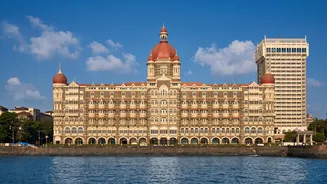
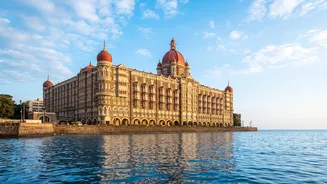
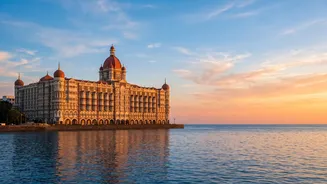
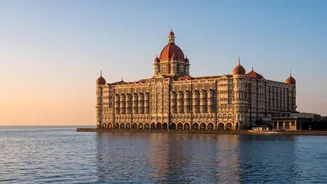
To understand the significance of this ranking, one must first understand the hotel itself. Opened on December 16, 1903, The Taj Mahal Palace predates its famous neighbour, the Gateway of India. Commissioned by visionary industrialist Jamsetji Tata, it was conceived as a landmark for the city—a place for Indians and Europeans to meet on equal ground. It was a pioneer from its inception, being the first building in Mumbai to have electricity, German elevators, and American fans. Over the decades, it has hosted everyone from maharajas and freedom fighters to global leaders and rock stars like George Harrison. A stunning blend of Indo-Saracenic, Moorish, and Florentine architectural styles, its distinctive red dome is an inseparable part of Mumbai's skyline and a symbol of the city's resilience and spirit.
The 'Debate' Over What Makes a Hotel 'Best'
The headline's mention of a "debate" points not to a controversy surrounding the Taj specifically, but to a broader, ongoing conversation within the travel world about what such rankings truly mean. The World's 50 Best list is based on the personal experiences of its voters, with no fixed checklist for criteria like service, design, or value. This subjective nature is both its strength and its point of discussion. Critics and commentators question how one can objectively compare a historic palace hotel like the Taj with a hyper-modern city skyscraper or a secluded beach resort. The debate, therefore, is about the very definition of luxury. Is it about flawless service, unique experiences, historical significance, or cutting-edge design? The Taj's strong showing suggests that heritage, grandeur, and a deep sense of place continue to hold powerful sway with discerning global travellers.
A Win for Indian Hospitality
While the Taj Mahal Palace was the sole Indian entry in the top 50, its recognition is part of a larger story of India's growing prominence in luxury travel. Two other Indian properties, The Johri in Jaipur and The Oberoi Udaivilas in Udaipur, were featured on the extended 51-100 list, highlighting the country's diverse and high-quality offerings. The Taj's continued presence on this prestigious list is celebrated as a testament to its enduring legacy and its ability to blend timeless elegance with contemporary five-star service. It signals that India’s unique brand of hospitality, which often emphasizes cultural authenticity and deeply personal service, is resonating powerfully on an international level. This ranking isn't just a number; it's a global acknowledgment of an institution that is woven into the fabric of Mumbai and the nation.