



The Foundation of Balance
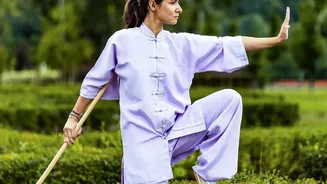
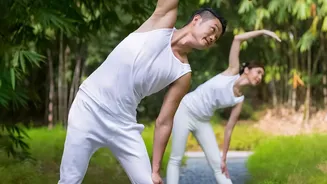
Balance is more than just standing on one leg; it's the body's ability to sense its position in space (proprioception) and make constant, subtle adjustments. Tai Chi is a masterclass in this. The ancient Chinese martial art, often called 'meditation in motion',
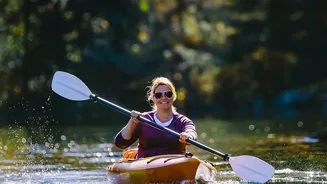
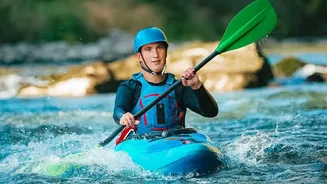
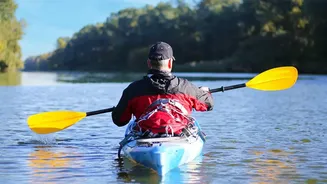
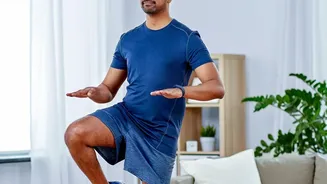
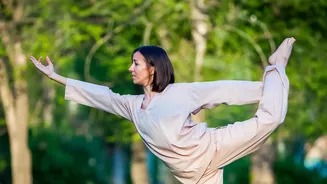
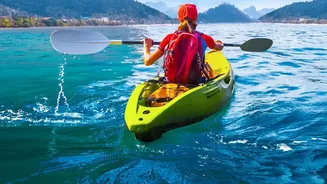
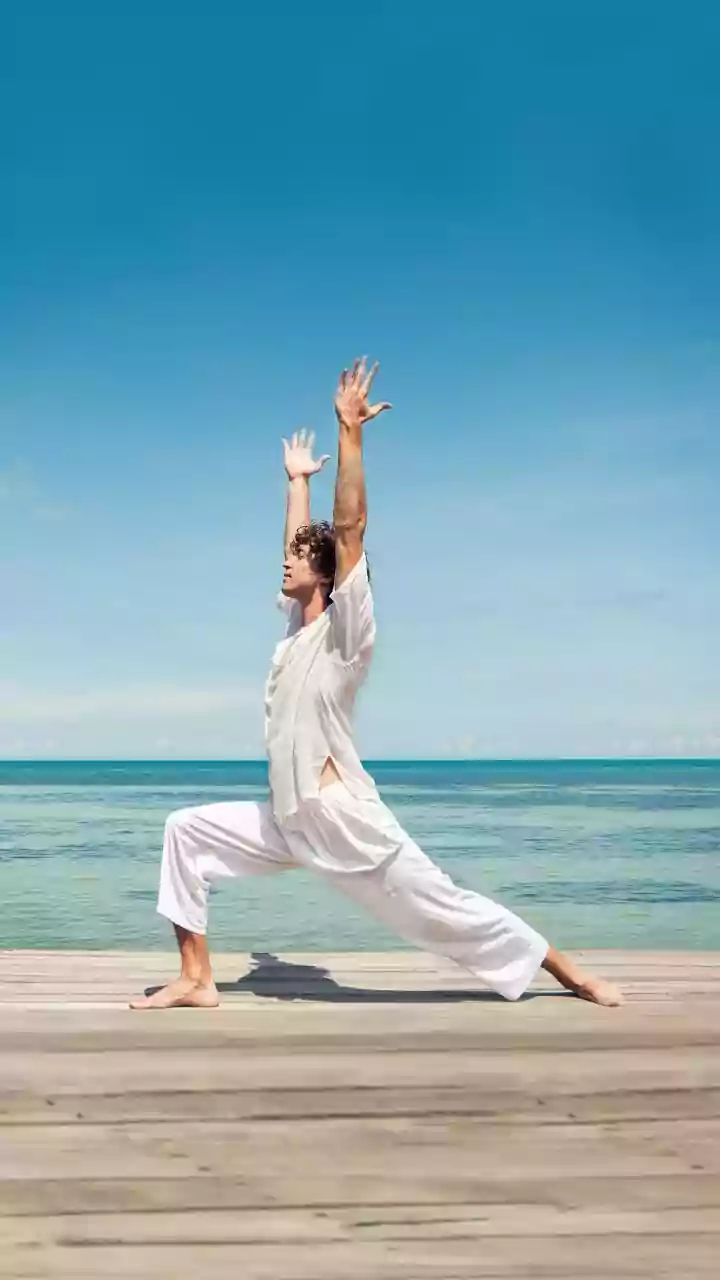
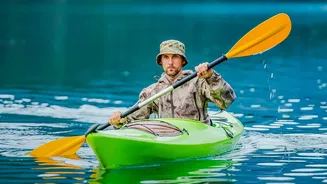
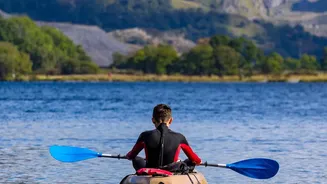
involves slow, deliberate weight shifts and single-leg stances. This trains your body's neuromuscular system to detect instability and react with control, significantly improving both static and dynamic balance. Studies show that regular practice can dramatically reduce the risk of falls, particularly in older adults, by strengthening key stabilising muscles in the ankles and hips. Kayaking, on the other hand, challenges balance in a more dynamic, reactive way. Sitting in a narrow boat on an unpredictable surface forces your core muscles to engage continuously to keep you upright. Every paddle stroke and every ripple in the water is a new test of stability, honing your reflexes and building a powerful connection between your torso and lower body.
Building Core Strength
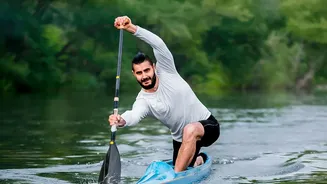
A strong core is the epicentre of all powerful movement, and both activities build it in different ways. In kayaking, the core is the primary engine. Proper paddling technique isn't about arm strength; it's about rotating the torso to drive the paddle through the water. This rotational movement intensely works the obliques, abdominals, and lower back muscles, creating functional strength and endurance. The very act of staying stable in the kayak is a constant core workout. Tai Chi develops core strength with less explosive force but with incredible endurance. The practice requires holding postures and moving with a sustained, integrated tension throughout the body. The core must remain engaged to maintain proper alignment and control the flow of movement from one posture to the next. It’s a quieter form of strength, focused on stability and integration rather than the raw power generated in kayaking.
A Workout for the Mind
Beyond the physical, both disciplines offer profound mental benefits. Tai Chi is fundamentally a mindfulness practice. The focus required to follow the sequences, combined with deep, natural breathing, calms the nervous system and reduces stress and anxiety. Studies have shown it can improve psychological well-being, life satisfaction, and even cognitive functions like memory and attention. Kayaking provides mental release through a connection with nature and the rhythmic, repetitive motion of paddling. Gliding across water can induce a 'flow state', a meditative condition where you are fully immersed in the moment, which is a powerful antidote to stress. The combination of physical exertion and serene outdoor environments has been shown to boost mood and promote a sense of overall well-being.
Accessibility and Practicality
When choosing a new activity, practical considerations are key. Tai Chi is one of the most accessible forms of exercise available. It requires no special equipment, can be practised in a small space, indoors or out, and is gentle enough for people of almost any age or fitness level. It is a low-impact activity, making it ideal for those with joint issues. Kayaking, while also low-impact on the joints, has a higher barrier to entry. It requires access to a body of water, as well as equipment—the kayak, paddle, and safety gear. It is also more dependent on weather conditions. While it can be adapted for various fitness levels, the initial learning curve and physical requirements for self-rescue make it a more adventurous undertaking.