




The Vertical Traffic Jam
What was once a serene getaway has transformed into a high-altitude ordeal. Major destinations like Shimla, Manali, Mussoorie, and Darjeeling are now synonymous with chronic overcrowding. Recent heatwaves in the plains have sent unprecedented numbers
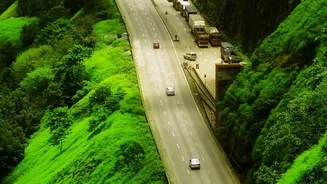
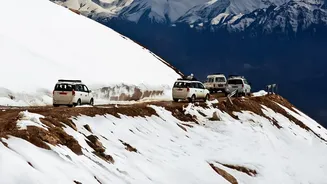
of tourists rushing to the mountains, overwhelming the colonial-era infrastructure. In Shimla, authorities recently tracked 1.5 lakh vehicles entering the city in just 45 days, leading to gridlock that can trap travellers for hours. Manali faces similar challenges, with viral videos showing traffic jams stretching for kilometres, turning a vacation into a punishment. This isn't just a peak season problem anymore; it's a year-round crisis fuelled by unchecked tourism and improved road access that funnels more vehicles onto roads never designed to handle them.
Concrete Over Canopies
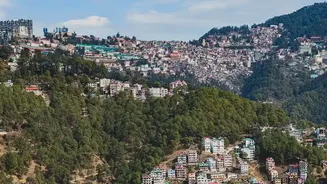
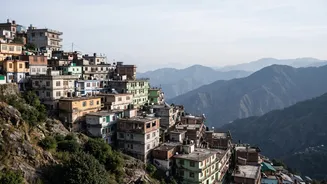
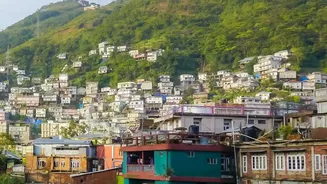
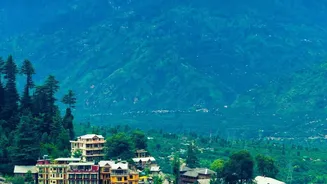
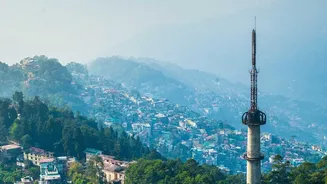
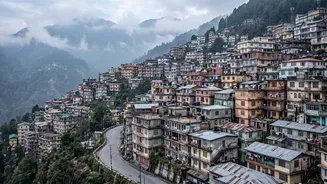
The visual appeal of these towns is rapidly diminishing under the weight of rampant, often unregulated, construction. Forests are cleared and hillsides are cut to make way for new hotels, resorts, and cafes, replacing lush greenery with concrete. Shimla, a town originally designed for a population of around 25,000, now supports a population of nearly 300,000, placing immense strain on its fragile geology. Experts warn that this relentless construction on steep, unstable slopes is increasing the risk of landslides, with some describing the situation as 'unretrievable'. In Mussoorie, multiple new road projects and a high-capacity ropeway are being planned without a clear analysis of the town's carrying capacity, threatening to permanently alter its character.
The Environmental Toll
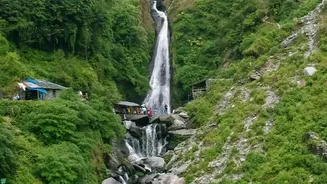
Beyond the visible chaos, a severe environmental crisis is unfolding. The massive influx of people is leading to acute water shortages in many hill stations, including Shimla, where locals sometimes face rationing while hotels consume vast quantities. Waste management systems are collapsing under the pressure, with plastic bottles, food wrappers, and other trash choking forests and streams. The sheer volume of tourists is also causing soil erosion, disrupting wildlife habitats, and contributing to air and noise pollution. The fragile Himalayan ecosystem, which is already vulnerable to climate change, is being pushed to its breaking point by the pressures of overtourism.
When Charm Gives Way to Commerce
For both residents and discerning tourists, the authentic charm of these destinations is fading. The unique local culture is often replaced by commercialized shows and markets catering to a mass audience. In places like Ooty and Darjeeling, once-quiet roads are now perpetually crowded, and local markets are filled with overpriced tourist goods, making authentic experiences harder to find. The constant traffic, noise, and crowds have left many visitors and locals frustrated, feeling that the very peace and tranquility they sought has been irrevocably lost to commercialization.
A Path Towards Preservation
Addressing this crisis requires a multi-pronged approach. Experts and local authorities are increasingly calling for measures to control the tourist influx, such as setting caps on the number of visitors and vehicles allowed. Some towns, like Landour near Mussoorie, have already started implementing daily limits on cars entering the area. A shift towards sustainable tourism is critical, encouraging visitors to respect local traditions, minimize waste, and support eco-friendly businesses. There is also a growing consensus that infrastructure development must be re-evaluated, prioritizing ecological stability over simply building wider and faster roads. Ultimately, protecting these beloved hill stations depends on smarter governance and a collective change in tourist behaviour.