








A Greener Way to Go Green
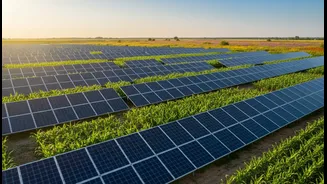
Large-scale solar farms, essential for clean energy, face a simple but persistent challenge: overgrown vegetation. Grass and weeds can block sunlight from reaching the panels, reducing energy output. The conventional solutions are far from perfect. They
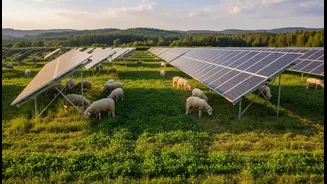
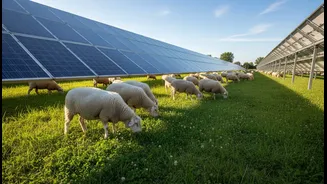
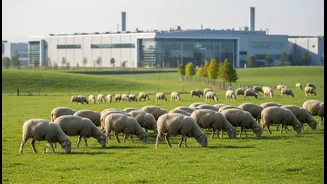
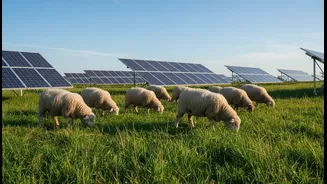
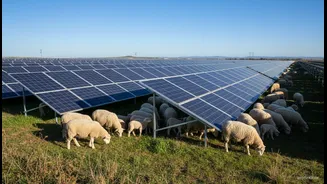
involve using fossil fuel-powered lawnmowers or applying chemical herbicides to control plant growth. These methods not only come with operational costs but also generate carbon emissions and can harm local ecosystems by contaminating soil and water. This is where a woolly alternative comes in. Instead of machines, solar farm operators are turning to flocks of sheep. These natural grazers keep the vegetation neatly trimmed, easily navigating under and around the panel structures where mowers struggle to reach.
The Economic and Environmental Equation
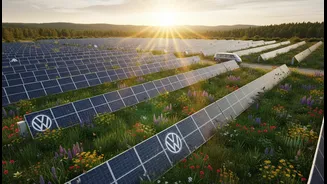
The financial case for solar grazing is compelling. For solar operators, it means significantly lower maintenance costs. There's no need to spend on mowing equipment, fuel, or the labour required for mechanical landscaping. For farmers, it opens up a new and reliable revenue stream. They can contract their flocks out to solar companies, gaining income from grazing services while their sheep get access to plentiful food. In some cases, so-called 'solar shepherds' can earn two to three times more than through traditional sheep farming alone. The environmental benefits are just as significant. Replacing mowers eliminates their carbon emissions. Sheep manure acts as a natural fertiliser, improving soil health and its ability to store carbon. This practice avoids chemical herbicides, which in turn protects local biodiversity, allowing native plants and pollinators like bees and butterflies to thrive.
A Perfect Symbiotic Relationship
The relationship between sheep and solar panels is mutually beneficial. The panels provide the sheep with valuable shade and shelter, especially during hot days, which can reduce their stress and water consumption. The secure fencing around solar installations also offers protection from predators. In return, the sheep keep the panels free from shading by vegetation, ensuring maximum energy production. They also prevent the risk of damage to the expensive panels from stones and debris kicked up by mechanical mowers. Not all animals are suitable for the job; goats, for instance, are known to chew on wires and climb on structures, making sheep the ideal, gentler choice for the task.
The Indian Opportunity
The concept of agrivoltaics—combining agriculture with solar energy production—holds immense potential for India. With the nation aiming to install hundreds of gigawatts of solar capacity, land use is a critical consideration. Solar grazing presents a way to make land productive on two fronts: generating clean energy and supporting agriculture. This aligns perfectly with national priorities, including boosting rural incomes and ensuring energy security. While the practice is still nascent in India, pilot projects are already demonstrating its viability. A project in Dhule, Maharashtra, for example, incorporates sheep rearing as a key aspect of its agrivoltaic setup. By adopting this model more widely, India can support its farmers, create more resilient rural economies, and make its renewable energy transition even more sustainable.