



A Familiar Face in the Spice Box
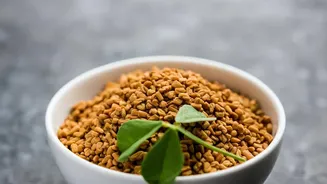
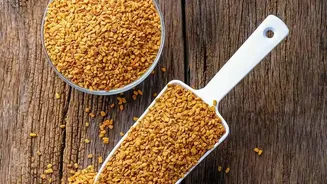
From the fragrant tadka in dal to the robust flavour of methi parathas, fenugreek is a culinary workhorse in India. The small, amber-coloured seeds and aromatic leaves (kasuri methi) are known for their distinct, slightly bitter, maple-like aroma. But
beyond the kitchen, fenugreek has a long history in traditional medicine, where it's been used for everything from digestive issues to boosting milk supply in new mothers. This dual identity often leads to confusion. While its medicinal history is rich, its primary role in a modern, healthy lifestyle is best understood through a dietary lens.
The Nutritional Power of Methi Seeds
So, what makes fenugreek seeds so special? They are a nutritional powerhouse packed into a tiny package. A single tablespoon contains a significant amount of fibre, protein, and iron. They are also a good source of minerals like magnesium, manganese, and copper. The most notable component is soluble fibre, which plays a key role in many of its health benefits. This fibre helps slow down the absorption of carbohydrates and sugar, which can be particularly beneficial for managing blood sugar levels. This makes it a smart addition to any meal, but especially breakfast, to help set a stable foundation for the day.
Dietary Ingredient vs. Medical Supplement
This is the most crucial distinction to make. Much of the scientific research on fenugreek's potent health effects, such as significantly lowering blood sugar in people with diabetes or increasing testosterone, involves concentrated extracts or high doses of seed powder, far more than you would typically consume in a meal. For instance, studies on blood sugar control have used daily doses ranging from 1 gram to 100 grams of seed powder, with a median of 25 grams. When you enjoy methi in your food, you are part of a balanced dietary pattern. Taking high-dose fenugreek capsules, however, is a supplemental or therapeutic use. Thinking of fenugreek as a 'medical treatment' in your diet overstates its effect. Instead, it should be seen as a functional food that contributes to overall health as part of a varied diet.
Why Breakfast is a Great Time for Fenugreek
Incorporating fenugreek into your morning meal is an excellent way to harness its dietary benefits. The high fibre content can promote a feeling of fullness, which may help with appetite control throughout the morning. Starting your day with fibre can also help manage the blood sugar response from your breakfast, preventing sharp spikes and subsequent crashes in energy. The traditional practice of drinking water infused with soaked methi seeds first thing in the morning is rooted in this principle. It's a simple, gentle way to kickstart your digestion and metabolism for the day ahead.
Easy Ways to Add Methi to Your Morning
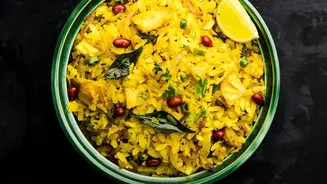
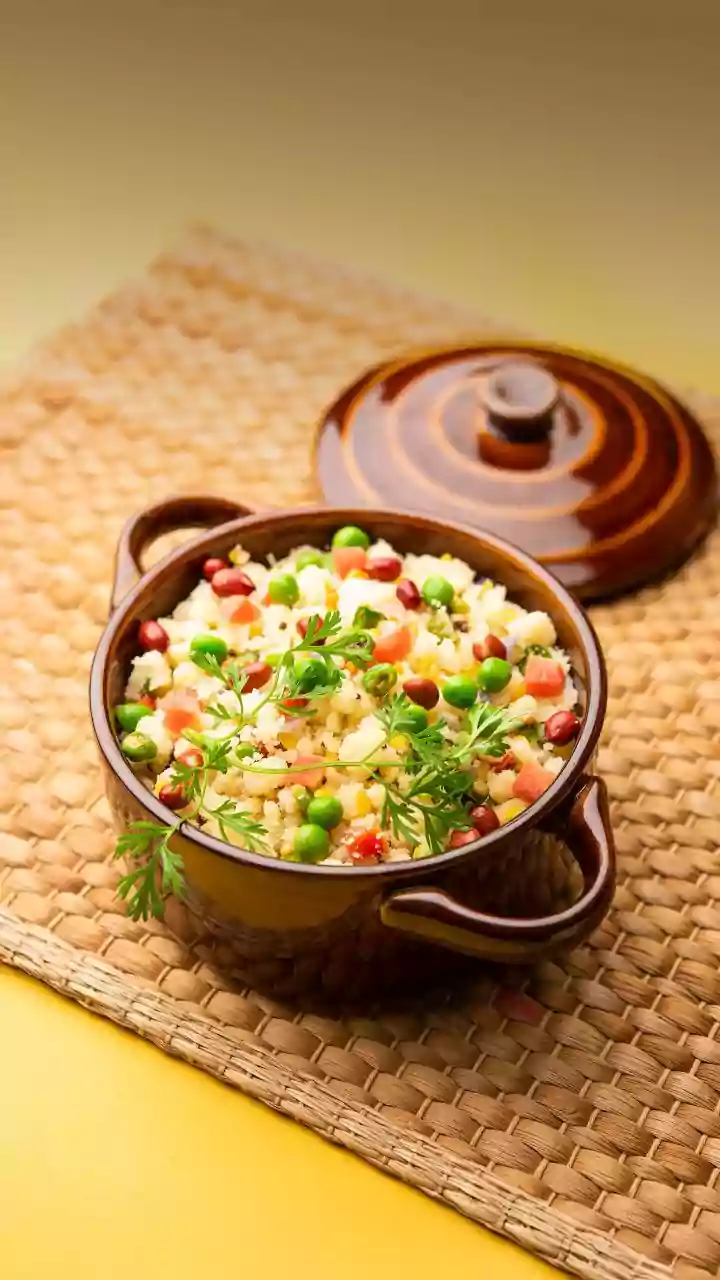
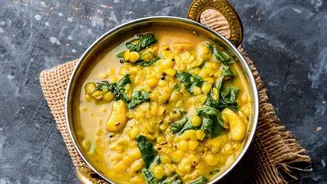
You don't need to make drastic changes to include fenugreek in your breakfast. Soaking one teaspoon of seeds overnight makes them softer and less bitter; you can chew them whole or add them to other dishes. Consider blending soaked seeds into a smoothie with banana and spinach for a fibre and antioxidant boost. You can also stir them into a bowl of oatmeal or a yogurt parfait. For those who prefer a savoury start, adding a small amount of ground fenugreek to whole wheat pancake or dosa batter adds a complex, earthy flavour. Even the classic methi khichdi can make for a hearty and nutritious breakfast.
A Note on Safety and Moderation
While fenugreek is generally safe when consumed as a food, high doses in supplement form can cause side effects like gas, bloating, and diarrhea. Its effect on blood sugar means people with diabetes or those taking blood-thinning medications should be cautious and consult their doctor before taking it in large amounts. The key, as with any ingredient, is moderation. Enjoying it as a regular part of your meals is the safest and most sustainable approach.