



From Afterthought to Design Statement
For years, the pot for an indoor plant was a purely functional item, often a simple terracotta or plastic container. The main development in modern interior styling is the recognition of the planter itself as a key decorative element. Ceramic planters,
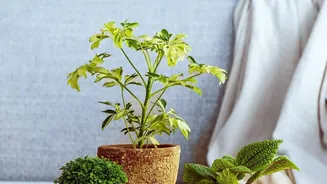
with their endless variety of glazes, textures, and shapes, now act as a bridge between the wildness of nature and the curated design of a room. They are no longer an afterthought but a deliberate choice that can unify a colour scheme, add a sculptural element, or introduce a much-needed textural contrast. This shift means thinking of the plant and its pot as a single design unit—a piece of living art that contributes to the overall feel of your space.
The First Rule: Sizing for a Healthy Plant
Before considering aesthetics, the planter’s first job is to house the plant. A pot that is too small will restrict root growth, causing the soil to dry out too quickly and stunting the plant’s health. Conversely, a planter that is too large can hold excess moisture, leading to root rot. A good rule of thumb when repotting is to choose a new ceramic planter that is about one to two inches wider in diameter than the current pot. This provides enough room for growth without overwhelming the root system. The internal depth and volume are just as important as the diameter, ensuring the roots have space to grow downwards and access the nutrients they need to thrive.
The Next Level: Balancing with Furniture and Space
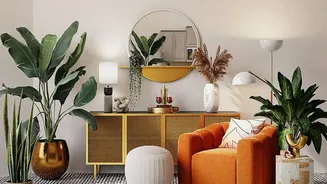
Once the plant’s needs are met, the next limit is proportion within the room. The scale of your planter must make sense with the furniture around it. A tiny, 4-inch pot placed on the floor next to a large, plush sofa will look lost and unintentional. Similarly, a massive floor planter in a narrow hallway can feel imposing and block the natural flow of the space. Large planters (12 inches or more) work best on the floor, anchoring empty corners or making a statement in an entryway. Medium planters (8 to 10 inches) are perfect for dining tables or large counters, while small pots belong on bookshelves, side tables, and windowsills where they are viewed up close.
Creating Harmony with Groupings and Height
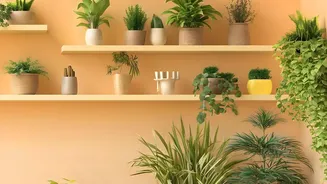
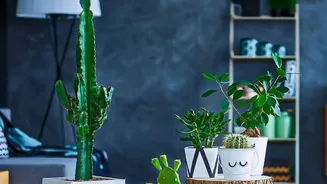
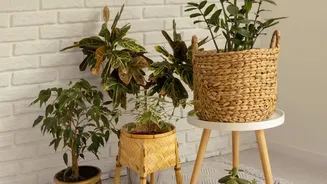
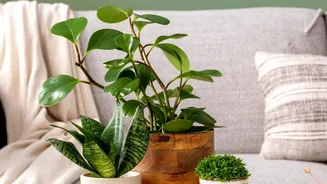
A room rarely has just one plant. Professional designers often create visual interest by grouping planters. Using the 'rule of three' is a classic design principle that works beautifully with plants; arranging three planters of varying heights and sizes creates a dynamic, natural-feeling display. Too much uniformity can look dull, so resist the urge to buy a matching set of identical pots. Instead, aim for harmony. Pair a tall, slender planter with a lower, wider bowl to create rhythm. This variation in scale and height leads the eye through the arrangement, making the corner of your room feel more curated and alive.
Beyond Scale: Unifying with Colour and Texture
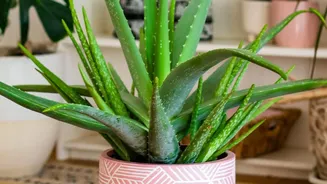
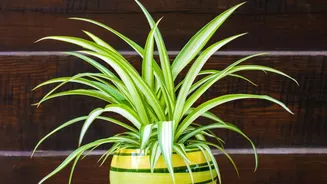
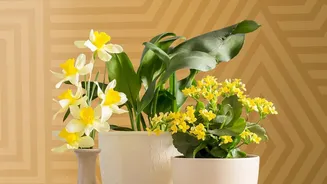
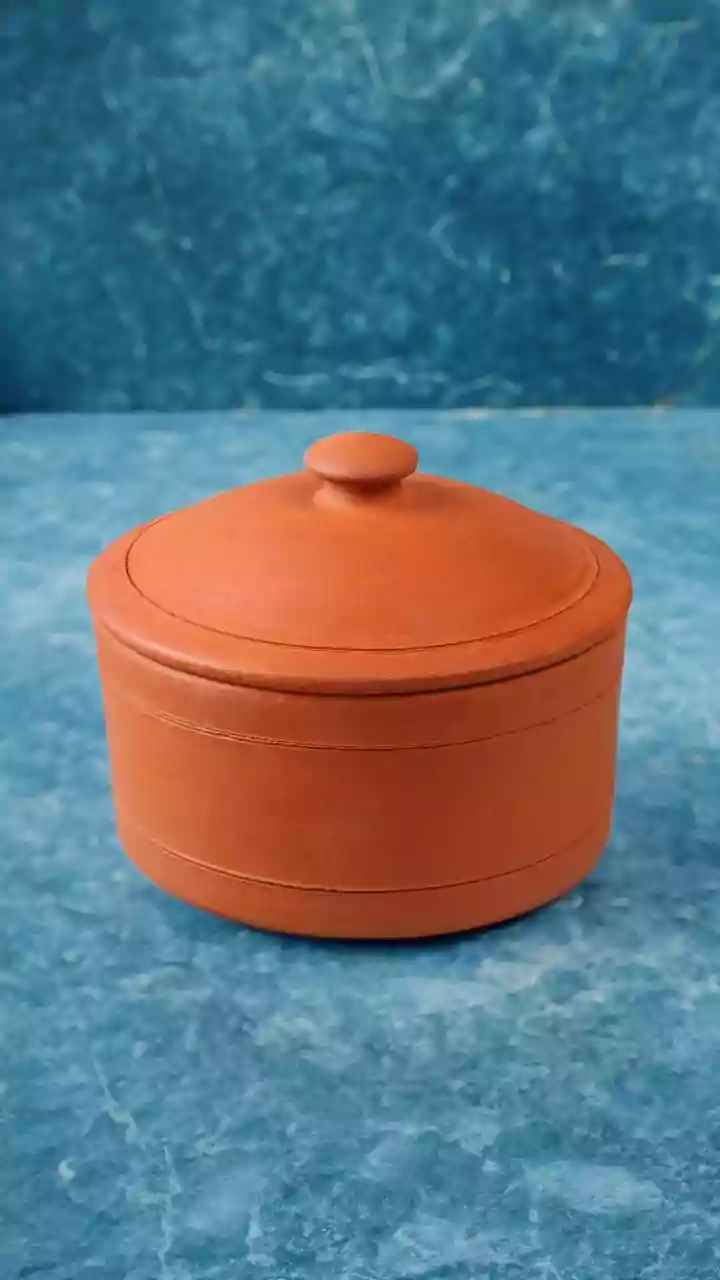
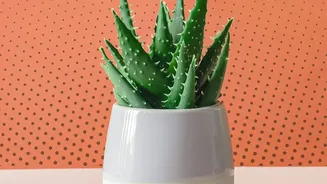
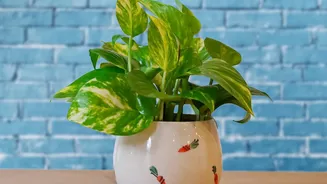
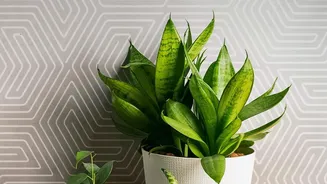
While size is critical, the finish of your ceramic planter offers another layer of design potential. The colour can either complement your existing decor or provide a bold contrast. In a room with neutral furniture, a brightly coloured glazed planter can add a welcome pop of personality. For a more subtle and sophisticated look, choose planters in neutral tones like white, grey, or black, or select a colour that already exists in the room's textiles or artwork. Texture also plays a role. A sleek, glossy planter reflects light and feels modern, while a matte or rough, unglazed ceramic pot adds an earthy, rustic quality. Mixing these finishes can add depth and richness to your overall design.