



A Frightening Drop Over the Skies
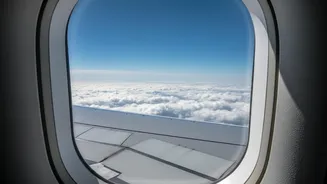
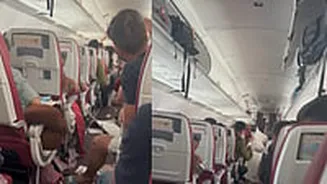
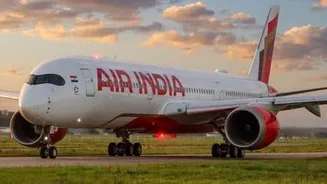
On August 4, 2026, passengers on Air India flight AI2379 from Phuket to Delhi experienced a terrifying few moments. While cruising at altitude, the Airbus A320 hit a pocket of severe clear-air turbulence, causing a sudden loss of altitude of around 300
feet. The event was so abrupt that it threw unbelted passengers and crew around the cabin, leading to injuries for 13 passengers and four crew members. Accounts from the flight describe a chaotic scene where people hit the cabin ceiling before the pilots regained stability. The aircraft landed safely in Delhi, but the incident has once again put a sharp focus on one of aviation's most unpredictable hazards and the simple measures that can prevent serious harm.
The Unseen Threat: Clear-Air Turbulence
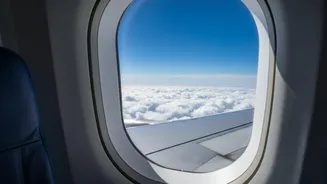
What makes incidents like this particularly jarring is the nature of the threat. Unlike turbulence associated with visible storms, clear-air turbulence (CAT) occurs in cloudless skies and is invisible to both the naked eye and standard onboard weather radar. It's caused by clashes between air masses moving at different speeds, often near jet streams. Worryingly, studies suggest that climate change is increasing the frequency and intensity of CAT. One 2023 study found that severe clear-air turbulence has increased by 55% in the last four decades over the typically busy North Atlantic routes. This means that these invisible bumps in the sky are becoming a more common feature of air travel, making passenger preparedness more important than ever.
The Single Most Important Safety Rule
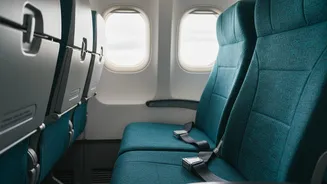
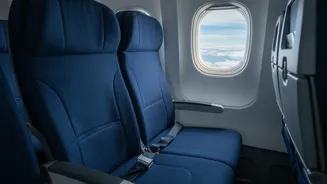
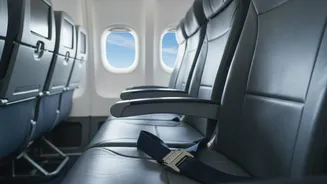
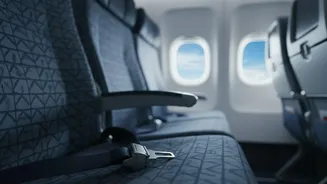
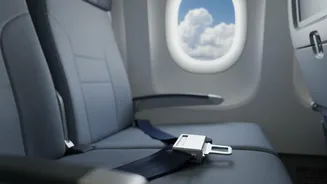
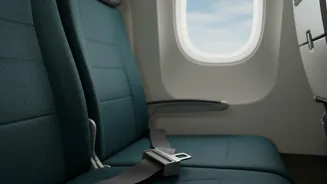
The most effective defence against turbulence-related injury is remarkably simple: keep your seatbelt fastened whenever you are seated. Aviation safety agencies and airlines consistently stress this point. In most serious turbulence events, the vast majority of injuries happen to people who are not buckled in. During a sudden drop, an unbelted person effectively becomes a projectile within the cabin. A loosely fastened seatbelt is enough to hold you in your seat and prevent the worst outcomes. Flight crews are trained to secure themselves immediately when severe turbulence hits, often taking the nearest available seat. This should be a clear signal to passengers: if the crew is sitting down, you should be too, with your belt securely fastened.
Beyond the Belt: Total Cabin Safety
While the seatbelt is paramount, other simple habits contribute to a safer flight. Before takeoff, ensure any heavy items in your carry-on are securely stowed in overhead bins or under the seat in front of you. A loose laptop or bottle can become a dangerous object during a turbulence event. Pay attention to the safety briefing; it contains vital information that is easy to tune out but critical in an emergency. It is also wise to limit movement around the cabin when conditions feel even slightly bumpy. If the seatbelt sign is on, avoid going to the lavatory. A significant percentage of passenger injuries occur in or near lavatories during turbulence. Finally, always follow crew instructions promptly. They are the first line of response and are trained to manage these exact situations. Their guidance is based on direct information from the cockpit.