






An Old Puzzle Written in Rock
For decades, scientists have been trying to piece together the Moon's origin story. A leading theory, known as the Lunar Magma Ocean hypothesis, suggests the early Moon was covered by a global ocean of molten rock. As this ocean cooled, lighter minerals
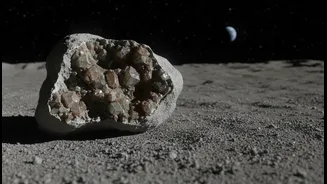
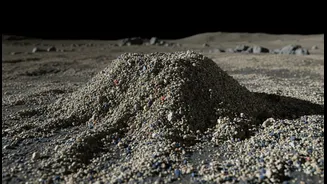
floated to the top, forming the ancient crust, while heavier materials sank to form the mantle. This helps explain the lighter-coloured highland regions. However, a key mystery remained: the exact composition and history of this crust. The soil on the surface, known as regolith, is a jumble of materials churned up by billions of years of meteorite impacts, making it difficult to get a clear picture of the original crust underneath. Scientists have had to rely on rocks brought back by Apollo missions and lunar meteorites that have fallen to Earth, but linking these samples to specific locations on the Moon has been a persistent challenge.
Chandrayaan-3 Enters the Scene
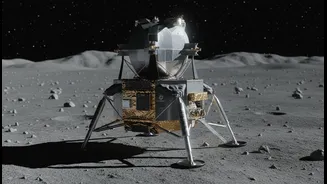
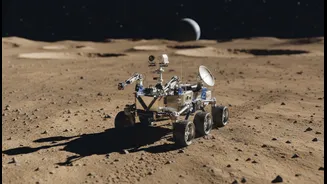
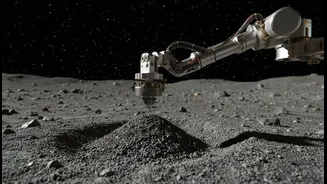
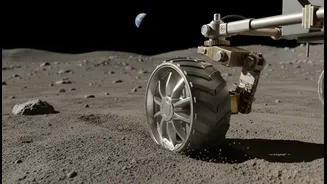
India's historic Chandrayaan-3 mission, which successfully landed its Vikram lander and deployed the Pragyan rover near the lunar south pole in August 2023, was perfectly positioned to tackle this puzzle. Its landing site, Shiv Shakti Point, is in a region that had never been explored on the ground. Crucially, the Pragyan rover is equipped with an instrument called the Alpha Particle X-ray Spectrometer (APXS), designed to analyse the elemental composition of the lunar soil and rocks right where they sit. By providing this on-site analysis, Chandrayaan-3 offered a chance to get ground-truth data that could finally connect the dots between orbital observations, meteorite samples, and the Moon's actual surface geology.
The Breakthrough Connection
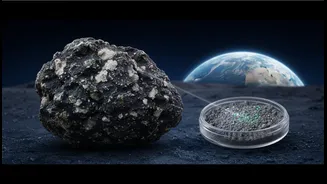
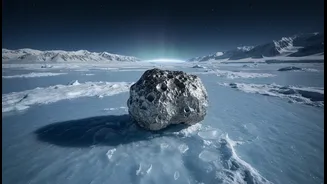
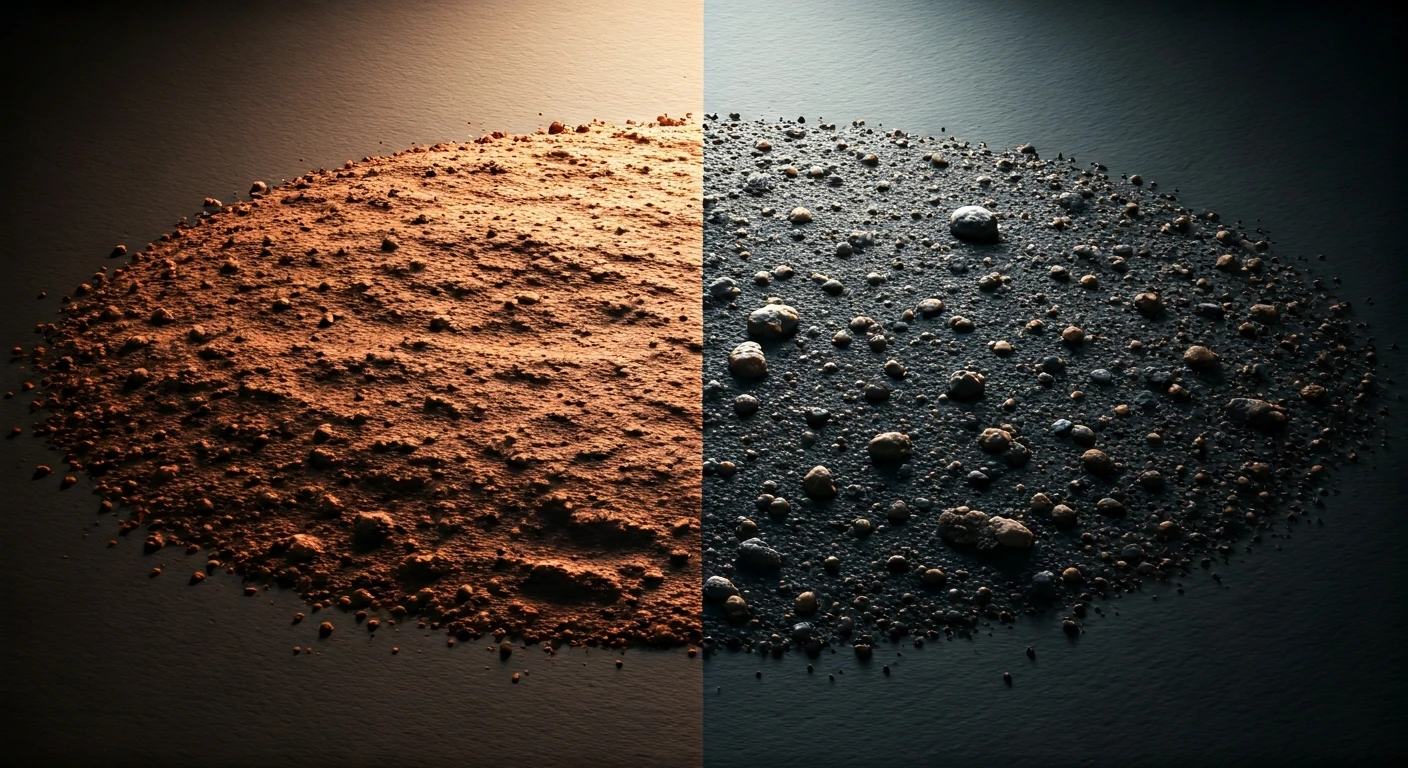
The latest findings, published by scientists at the Physical Research Laboratory (PRL), reveal a remarkable connection. When they analysed the data from Pragyan's APXS instrument, they found the chemical makeup of the soil at Shiv Shakti Point closely matched that of a specific meteorite found in Antarctica in 1981, known as ALHA 81005. This particular meteorite holds a special place in science as it was the first rock ever confirmed to have come from the Moon. Both the landing site soil and the meteorite showed unusually high levels of iron and magnesium and lower levels of aluminium compared to typical lunar highlands. ISRO clarified that this doesn't mean the meteorite came from that exact spot, but it strongly indicates that both represent a rare and similar type of magnesium-rich lunar crust.
A Jumbled Crust, A Clearer History
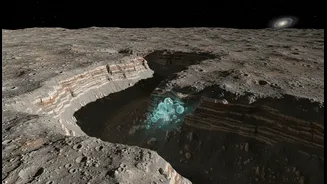
This discovery does more than just link a rover to a rock. The data strongly suggests the soil at the landing site is not from a single source but is a complex mixture of materials from different depths of the lunar crust. The area contains fragments of magnesium-rich rocks that were likely excavated from deep within the Moon's crust and scattered across the surface. Scientists believe the colossal impact that created the South Pole-Aitken basin, one of the largest craters in the solar system, is the likely culprit. This ancient impact, which occurred hundreds of kilometres from the landing site, would have been powerful enough to dredge up material from the Moon's deeper layers and deposit it where Chandrayaan-3 would later explore. This process of constant bombardment and mixing over billions of years has created a complex geological record, and Chandrayaan-3 has just given us the key to start reading it.
A Giant Leap for Indian Science
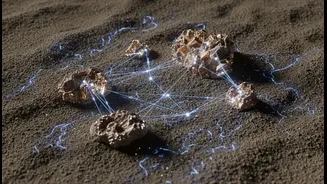
These findings are a major validation of the Lunar Magma Ocean hypothesis and provide a new framework for understanding the Moon's evolution. By directly connecting in-situ measurements with meteorite samples, ISRO and Indian scientists have opened a new chapter in lunar science. It allows researchers to better contextualize the treasure trove of lunar meteorites on Earth and helps future missions identify where different materials might have originated. For India, this is another significant scientific return from the Chandrayaan-3 mission, cementing its status as a major player in planetary exploration. The mission is no longer just a story of a successful landing; it is a story of continuous, groundbreaking discovery.