







What Exactly is Toum?
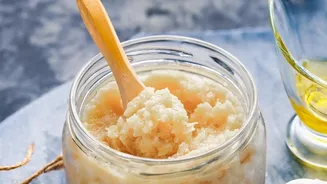
At its heart, toum is a powerful garlic spread that looks like mayonnaise but contains no eggs or dairy. Think of it as a vegan aioli, but with a more pronounced, pungent garlic flavour and a texture that’s closer to whipped cream. In Lebanon, it’s the
essential condiment served with grilled meats like shawarma and shish tawook, roasted chicken, and even fried potatoes. Made traditionally with just garlic, salt, oil, and lemon juice, its magic lies not in a secret ingredient, but in the process used to combine them.
The Science of Emulsion
The reason toum can be frustrating is that it's an emulsion. An emulsion is a mixture of two liquids that don't normally combine, like oil and water. To make them coexist peacefully in a creamy sauce, you need an emulsifier—a substance that helps them bond. In toum, the garlic itself acts as the primary emulsifier. When you blend garlic and salt into a paste, you release compounds that can hold onto both the oil and the water-based lemon juice. The challenge, and the entire secret to success, is creating this bond slowly and deliberately. If you rush the process, the bond won't form, and the oil will separate, leaving you with a greasy, broken mess instead of a fluffy cloud of garlic.
Mastering the Slow-Drizzle Technique
Patience is the most important tool you have. Start with fresh, peeled garlic cloves in a food processor. If your garlic isn't perfectly fresh, it's wise to slice the cloves in half and remove the green germ from the center, as it can add a bitter taste. Add a good pinch of salt and process until the garlic becomes a smooth, uniform paste. Now comes the critical part. With the processor running, begin adding a neutral oil (like canola or sunflower) incredibly slowly. For the first minute, add it literally one drop at a time. This gives the garlic paste a chance to grab onto the oil and start the emulsion. Once you see it starting to thicken slightly, you can slowly increase the addition to a very thin, thread-like stream. It should take several minutes to incorporate all the oil. Midway through, alternate drizzling in the lemon juice with the oil. The lemon juice not only adds brightness but also helps stabilize the emulsion. Keep processing until the mixture is thick, white, and holds its shape like a stiff frosting.
Troubleshooting Common Failures
Even experienced cooks have seen their toum break. The most common culprit is adding the oil too quickly. If your sauce is runny and looks oily, the emulsion has split. But don't throw it out. You can often rescue it. One popular method is to place a single egg white or a few tablespoons of aquafaba (the liquid from a can of chickpeas) in a clean food processor bowl. Turn it on and then very slowly drizzle your broken toum mixture back in. The proteins in the egg white or aquafaba will help re-emulsify the sauce. Another trick is to start a new, tiny batch with one garlic clove and a tablespoon of lemon juice, then slowly stream the broken mixture into the new base. If your finished toum is too potent, remember that the garlic flavour will mellow considerably after a day in the refrigerator.