





What is Purpose-Free Travel?
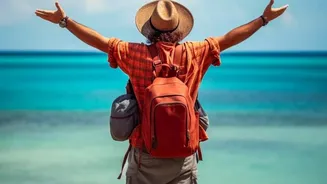
At its core, purpose-free travel is the art of journeying without a strict plan, a set of goals, or a checklist of sights to see. It’s the opposite of a vacation crammed with museum tours, dinner reservations, and photo-ops at famous landmarks. Instead,
it champions spontaneity, serendipity, and the freedom to simply be in a place. It's about letting curiosity lead the way, whether that means hopping off a train in a village you've never heard of or spending an entire afternoon in a single cafe just because it feels right. This approach focuses on the experience of being, rather than the act of doing or achieving. It swaps the pressure of a packed itinerary for the luxury of flexibility, allowing travelers to change their minds and follow their moods.
The Psychology of Letting Go
The rise of interest in unplanned travel isn't surprising. Many people, feeling burned out by hyper-scheduled lives, are craving an escape from pressure, not just a change of scenery. Psychologists note that spontaneous travel can actually reduce the stress and anxiety that often comes with methodical holiday planning. The pandemic may have also played a role, with a Skyscanner study suggesting that after periods of restriction, people are more eager to embrace spontaneity and step out of their comfort zones. This style of travel forces you to live in the present moment, freeing you from daily stresses and worries about the future. It's a direct response to a culture of over-optimization, offering a way to reconnect with oneself by embracing vulnerability and the unknown.
The Unplanned Path to Discovery
The primary benefit of shedding a plan is opening yourself up to serendipity. When you aren't rushing from one point of interest to another, you create space for unexpected encounters and discoveries. This could be stumbling upon a local festival, being invited for a meal, or finding a hidden beach not mentioned in any guidebook. According to travelers who embrace this style, it fosters deeper connections with both the place and its people. Without a rigid schedule, you have the time and headspace to appreciate the small things that pique your interest. This unplanned approach can lead to more personal growth, as it challenges you to be resourceful, independent, and open to experiences you couldn't have possibly anticipated.
Is It for Everyone?
Despite its romantic appeal, purpose-free travel isn't without challenges. For some, the lack of structure can induce anxiety rather than relaxation. Long-term aimless wandering can even lead to feelings of being unanchored or unfulfilled, as routine and a sense of direction fade. Critics also point out that the ability to travel aimlessly is a form of privilege. It requires time, financial security, and a passport that allows for easy movement—luxuries not available to everyone. Furthermore, safety is a real consideration; traveling without a plan requires a higher degree of awareness, especially for solo travelers or those in unfamiliar regions. It's a balance between embracing freedom and making responsible choices.
How to Start Your Own Unplanned Adventure
You don't need to quit your job and buy a one-way ticket to embrace the spirit of purpose-free travel. You can start small. Try taking a day trip to a nearby town with no agenda other than to wander. On your next planned vacation, set aside one full day with nothing scheduled and see where the day takes you. Another simple trick is to walk out of your hotel and turn left instead of right, choosing a path you wouldn't normally take. The goal is to practice loosening your grip on control and allowing for possibility. Even these small acts can inject a sense of adventure and discovery into your travels, reminding you that sometimes the best plan is having no plan at all.