






Gathering Your Simple Toolkit
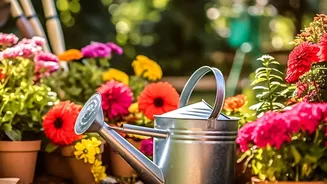
You don’t need a high-tech lab to clone your plants; a few basic items will do. First, you'll need a clean, sharp cutting tool like pruning shears or even a pair of kitchen scissors. Using a clean tool prevents the spread of disease to both the parent
plant and your new cutting. You will also need a vessel for your cutting to root in—a simple glass jar for water propagation or a small pot with drainage holes for soil propagation. For the soil method, a light, airy potting mix is crucial. A rooting hormone, which is a powder or gel that encourages root growth, is optional but can speed up the process for woodier plants.
Choosing the Easiest Plants to Start
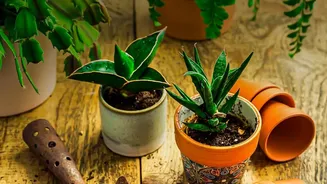
Some plants are far more eager to be propagated than others. If you're a beginner, start with something known to root easily. Vining plants like Pothos, Philodendron, and English Ivy are fantastic candidates and often sprout roots quickly in just a glass of water. Other great choices for beginners include the resilient Snake Plant, colourful Coleus, and many succulents like Echeveria and Jade Plants, which can be propagated from a single leaf. These plants are generally forgiving and will give you a boost of confidence as you watch new life emerge from a simple cutting.
The Art of Taking a Cutting
The secret to a successful cutting lies in where you make the cut. Look for a healthy, vigorous stem on the parent plant. You want a piece that is about four to six inches long. The most important feature to identify is a 'node'—the small bump on a stem where a leaf grows from. This is where new roots will emerge. Using your sharp tool, make a clean cut about a quarter-inch below a node. Once you have your cutting, gently remove the lower leaves, ensuring that at least one or two nodes are bare at the bottom and a few leaves remain at the top. Removing flowers or flower buds is also recommended so the cutting can direct all its energy toward growing roots.
Two Paths to Roots: Water vs. Soil
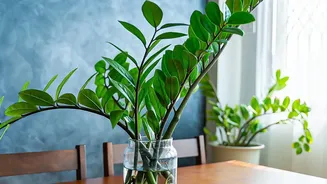
You have two main options for encouraging your cutting to root: water or soil. Water propagation is the most visually satisfying method. Simply place your cutting in a jar of water, ensuring the bare nodes are submerged. It’s fascinating to watch the roots appear, which can happen in two to four weeks for easy plants like Pothos. However, these 'water roots' are more delicate than soil roots and will need to adapt when you eventually move the plant to a pot.
Soil propagation often creates stronger, more robust roots from the start. Dip the end of your cutting in rooting hormone (if using) and plant it directly into a pot with moist potting mix. This method is generally better for succulents and plants with woody stems, like Fiddle Leaf Figs or Rosemary, which may rot in water. To increase success with soil propagation, you can create a humid environment by loosely placing a plastic bag over the pot to trap moisture.
Patience and Planting
After the initial snip and placement, your main job is to wait. If you're propagating in water, change the water every few days to keep it fresh and prevent slime from forming. Once the roots are about one to two inches long, it's time to transplant your cutting into a pot with soil. Waiting too long can make it harder for the plant to transition. For soil-propagated cuttings, keep the soil consistently moist but not waterlogged to avoid rot. In a few weeks, you can give a gentle tug on the cutting; if you feel resistance, it means roots have formed. At that point, you can care for it just like you would its parent.