







A New Leader in the Skies
According to preliminary figures for the first half of 2026 from Airports Council International (ACI), Seoul's main gateway handled an impressive 38.4 million international passengers. This placed it just ahead of London's Heathrow, which saw 37.8 million passengers,
and Singapore's Changi Airport with 34.5 million. This is a landmark achievement for Incheon, which only opened in 2001 and has steadily climbed the global rankings, finishing third in 2025. The former long-time leader, Dubai International Airport (DXB), is expected to fall out of the top five in this preliminary ranking. While the figures are subject to final validation, they signal a significant realignment in global aviation patterns.
Geopolitics and Shifting Transit Routes
A major factor in Incheon's rise is the shifting map of global travel, partly influenced by geopolitical tensions in the Middle East. The conflict involving Iran caused significant disruptions for major Middle Eastern hubs, especially Dubai. Passenger numbers at Dubai dropped sharply from 7.4 million in February to 2.5 million in March before beginning a slow recovery. This disruption prompted airlines and passengers to find alternative routes for travel between Europe and Asia. Incheon emerged as a key beneficiary. The airport saw its number of transit passengers increase by over 18% compared to the previous year, with traffic from European routes for connecting flights soaring by a remarkable 63%.
The 'Korean Wave' and Tourism Power
Beyond its role as a transit hub, Incheon's growth is being powered by South Korea's own booming tourism industry. The global phenomenon of 'Hallyu', or the Korean Wave, has turned the country into a premier destination. Driven by the worldwide popularity of K-pop, K-dramas, and Korean food and fashion, more people are choosing South Korea for their holidays. This is reflected in the airport's passenger statistics, with foreign travellers accounting for a record 44.4% of all traffic in the second quarter of 2026. This cultural soft power has translated directly into ticket sales and passenger arrivals, providing a strong, sustained boost to Incheon's numbers.
Decades of Strategic Investment
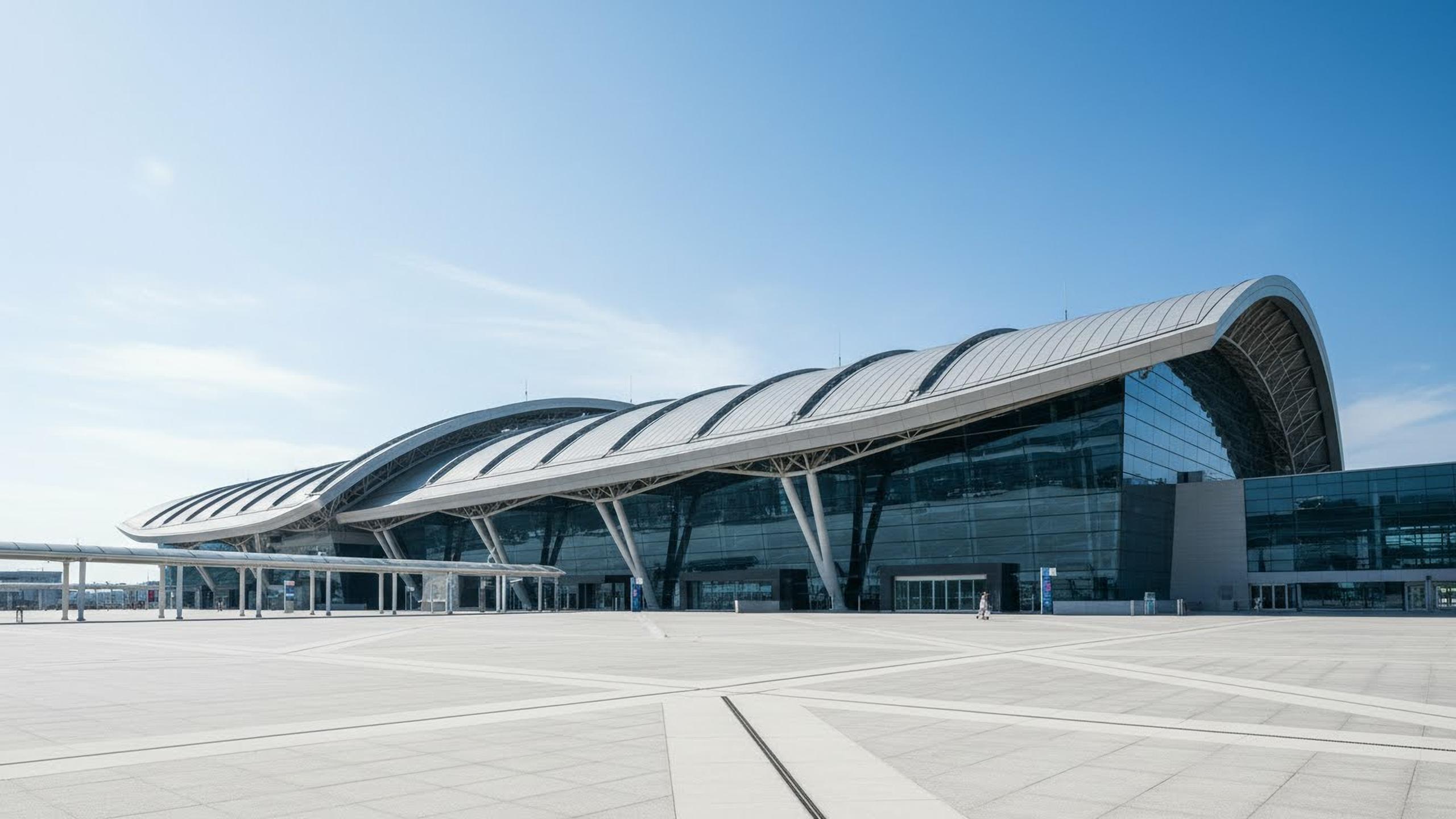
Incheon's success is no accident; it is the result of decades of strategic planning and massive investment. A recent four-phase expansion project, completed in late 2024, increased the airport's annual capacity to 106 million passengers, giving it the third-largest infrastructure of its kind in the world. Today, the airport serves 101 airlines flying to 183 cities worldwide, giving it one of the most extensive international networks in Asia. This robust infrastructure and vast connectivity have made it an attractive hub for both airlines and passengers, enabling it to absorb new traffic and solidify its competitive position. It’s a powerful combination of smart planning and a prime geographical location.
What This Means for the Future
While this preliminary ranking is for the first half of the year, it highlights the dynamic and competitive nature of global aviation. Traditional hubs can no longer take their positions for granted. For travellers, the rise of a mega-hub like Incheon could mean more competitive flight options between Asia, Europe, and North America. Its consistent high rankings for service quality, alongside its world-class amenities—including a museum, spa, and indoor gardens—make it a desirable transit point. The battle for the skies is constantly evolving, but for now, all eyes are on South Korea as it enjoys its moment at the top.