




A Journey Unlike Any Other
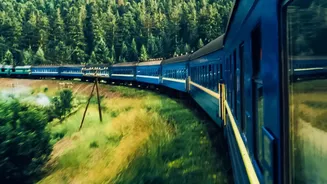
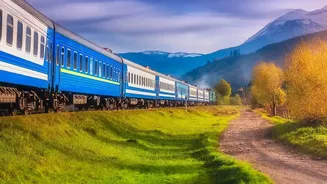
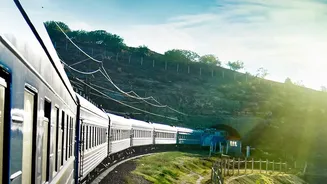
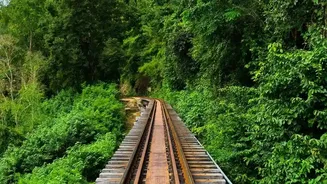
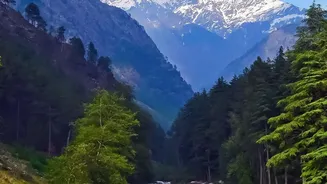
The Udhampur-Srinagar-Baramulla Rail Link (USBRL) is more than just a new line on India's railway map; it's a journey through some of the most dramatic landscapes on Earth. Passengers are treated to panoramic views of snow-capped peaks, lush green valleys,
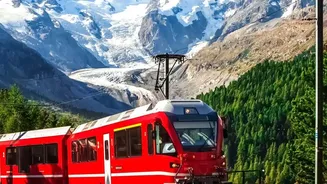
and rivers carving their way through the rugged Himalayas. The 272-kilometre route, now fully commissioned, slashes the travel time between Katra and Srinagar to around three hours, offering a reliable, all-weather alternative to the often-treacherous Jammu-Srinagar National Highway. Travellers pass through deep gorges and follow the winding course of the Chenab River, creating a visual spectacle that has been dubbed "India's Switzerland experience" on social media.
An Engineering Marvel in the Himalayas
Bringing this scenic journey to life required overcoming immense geological and engineering challenges. The project is a testament to modern ingenuity, featuring two standout structures: the Chenab Rail Bridge and the Anji Khad Bridge. Standing 359 metres above the riverbed, the Chenab Bridge is the world's highest railway bridge, soaring even taller than the Eiffel Tower. This colossal steel arch bridge, 1,315 metres long, is designed to withstand high-velocity winds and significant seismic activity, a crucial feature in the Himalayan region. Complementing it is the Anji Khad Bridge, India's first cable-stayed railway bridge. This asymmetrical structure is supported by a single, 193-metre-high pylon and 96 cables, an innovative solution to the area's complex geology. Together, these bridges and the numerous tunnels form the backbone of this ambitious project.
Connecting Kashmir, Transforming an Economy
Beyond the breathtaking views, the USBRL project is a strategic and economic lifeline for Jammu and Kashmir. For decades, the region's economy was hampered by its reliance on road transport, which was often disrupted by landslides and heavy snowfall. The railway provides seamless, year-round connectivity, ensuring the steady flow of goods and people. This has a profound impact on the local economy, particularly horticulture and handicrafts. Farmers can now transport signature products like apples, cherries, and saffron to larger national markets faster and more reliably. This improved access is transforming local markets, boosting trade, and creating new economic opportunities for artisans and small businesses across the valley.
A Boost for Tourism and National Integration
The railway is set to be a game-changer for tourism, making it easier and more affordable for people from all corners of India to visit the 'Paradise on Earth'. With improved access to popular destinations, the tourism industry is expected to see a significant upswing, benefiting hotels, homestays, and local vendors. The reliable connectivity also encourages winter tourism, allowing visitors to experience the valley's snowy splendor without the fear of being stranded by closed roads. More than just a transportation project, the railway serves as a powerful symbol of national integration, physically and economically connecting the Kashmir Valley with the rest of the country and shortening the psychological distance that once separated them.