





The Ghost of the Mountains Takes Centre Stage
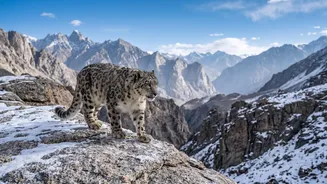
For wildlife lovers, spotting a snow leopard in its natural habitat is the ultimate prize. These magnificent, solitary cats are masters of camouflage, their smoky-grey coats with black rosettes blending perfectly into the rocky, high-altitude terrain
of the Himalayas. This elusiveness has earned them the nickname 'Ghost of the Mountains'. Now, Ladakh, which is home to the country's largest population of snow leopards with an estimated 477 individuals, is bringing this once-in-a-lifetime experience to the forefront. In a significant move to promote responsible ecotourism, the administration has launched India's first high-altitude wildlife safari, with the snow leopard as its undisputed flagship species.
What is a Flagship Species?
In conservation, a 'flagship species' is a charismatic animal that can be used to anchor a broad conservation campaign. Think of the Royal Bengal Tiger for India's national parks. By focusing on a popular and appealing species, conservationists can raise awareness and funds that benefit the entire ecosystem. The snow leopard is a perfect candidate. Protecting its vast habitat—which can range up to 200 square kilometres for a single cat—also means protecting other unique high-altitude wildlife, including the Himalayan blue sheep (bharal), ibex, and Tibetan wolf. The new Ladakhi safari uses the allure of the snow leopard to create a sustainable tourism model that safeguards the whole fragile environment.
The Safari Experience: Patience and Awe
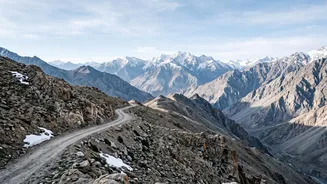
A snow leopard safari is nothing like a typical jeep tour. It is an expedition that demands patience, resilience, and a deep respect for the environment. The best time for sightings is during the harsh winter months, from November to March. During this period, heavy snowfall forces the snow leopard's primary prey, like the bharal, to lower altitudes, and the predators follow. Specially designed vehicles and expert local trackers, often from villages like Rumbak and Ulley in Hemis National Park, lead small groups into the frozen wilderness. These trackers, who grew up in this territory, possess an intimate knowledge of the animal's behaviour, reading tracks and signs in the snow to locate the elusive cat. The journey involves navigating extreme cold, with temperatures dropping well below -20°C, and acclimatising to altitudes above 12,000 feet.
From Conflict to Conservation
Just a few decades ago, the snow leopard was often seen as a pest by local herding communities, who would sometimes resort to retaliatory killings to protect their precious livestock. However, the rise of community-based ecotourism has dramatically changed this relationship. Initiatives like the Himalayan Homestay Programme, started by organisations like the Snow Leopard Conservancy India Trust, have given local families a direct economic stake in the animal's survival. By hosting tourists, acting as guides, and selling handicrafts, communities now see a live snow leopard as a valuable asset—an animal worth more alive than dead. This shift has been so profound that villagers who once drove the cats away now work to protect them. The new government-supported safari aims to build on this foundation, ensuring that tourism revenue directly empowers local communities and makes them active partners in conservation.
A Model for Responsible Tourism
The launch of the safari is a deliberate step towards high-value, low-impact tourism. The objective is to prevent unregulated activities like illegal off-roading that damage the fragile ecosystem. The programme uses approved routes, limits visitor numbers, and employs trained local personnel to minimise disturbance to wildlife. This organised approach not only enhances the visitor experience but also formalises the conservation economy. It's a model where protecting natural heritage becomes an investment in Ladakh's ecological security and its future. By linking livelihoods directly to wildlife protection, Ladakh is creating a sustainable cycle: when wildlife thrives, communities benefit, and when communities benefit, they become the most dedicated guardians of their environment.